
1300 101 666

Belt Weigher/Weightometer Calibration Methods Explained
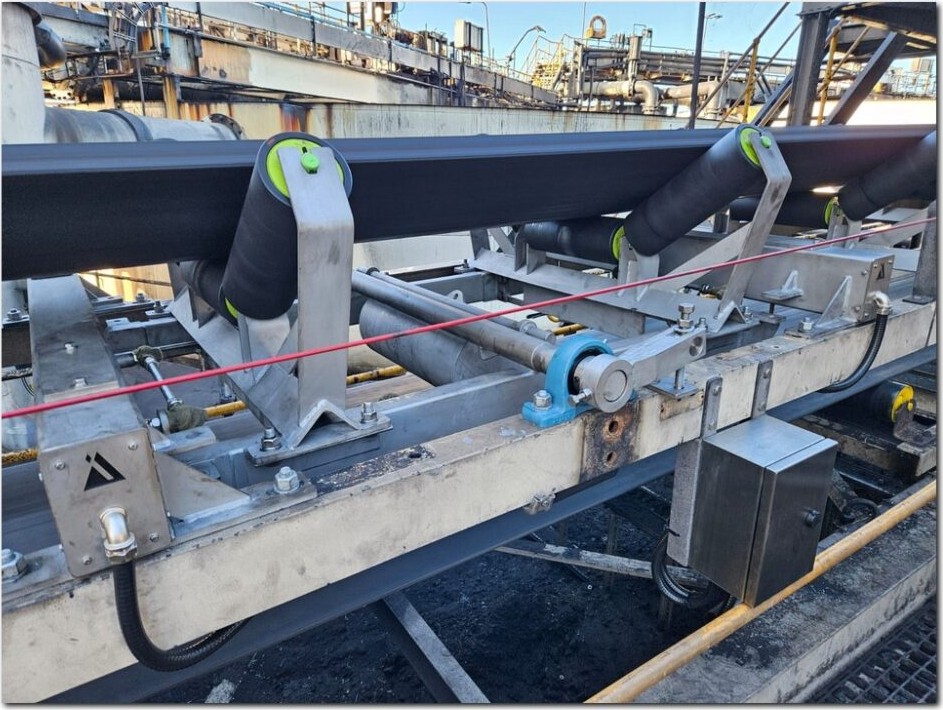
This document explains how belt weigher calibration affects the accuracy of inventory, billing, process control, and compliance outcomes. It emphasises that reliable measurement depends on verifying three core inputs: zero, span, and belt speed. If any one of these drifts, totalised throughput data becomes unreliable, often without obvious warning until discrepancies appear in testing or reconciliation.

The guide compares four common calibration methods: electronic calibration, static test weights, calibration chains, and material calibration. Electronic checks are fast and useful for routine verification, but they do not test real mechanical loading. Static weights apply real force and improve confidence in the load cell system, while calibration chains better simulate some belt-related effects but usually require more time, labour, and equipment. Material calibration provides the most representative and traceable result because it tests the system under real operating conditions, making it the preferred method where accuracy is commercially or legally critical.

It also outlines how calibration frequency should be based on operational risk, required accuracy, and historical drift rather than a fixed rule. High-accuracy applications may require checks before and after major weighment periods and regular material testing, while lower-risk process applications can often rely on scheduled simulated checks supported by periodic verification. The document highlights several factors that can degrade performance between calibrations, including material build-up, belt tension changes, idler alignment, and speed sensor condition.

Finally, the document stresses that calibration quality depends not only on method selection, but also on preparation and follow-through. Allowing the system to warm up before calibration, checking repeatability, and keeping accurate calibration records all improve long-term performance and fault diagnosis. These principles apply across all belt weigher brands and installations, making the document a practical framework for selecting a defensible calibration strategy for any site.