Key elements
Belt weighers (Weightometers) measure the weight and speed of product on a belt to then calculate rates and totals. To achieve this outcome there are four key elements to all belt weigher systems, outlined below.
Weigh Frames
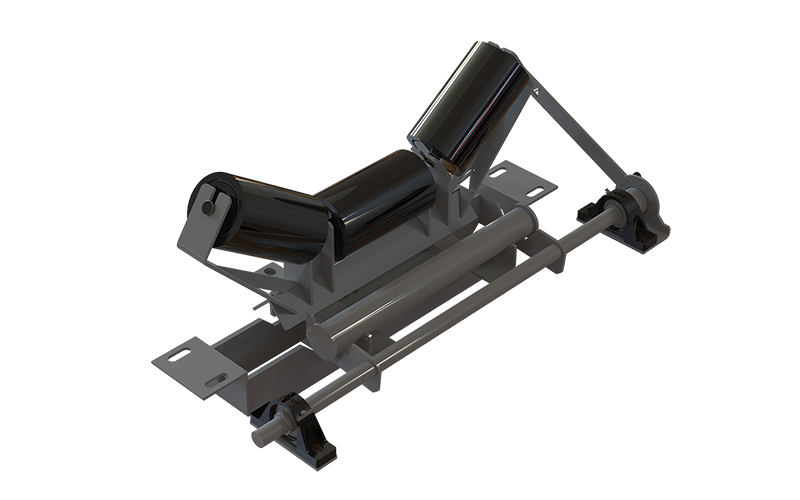
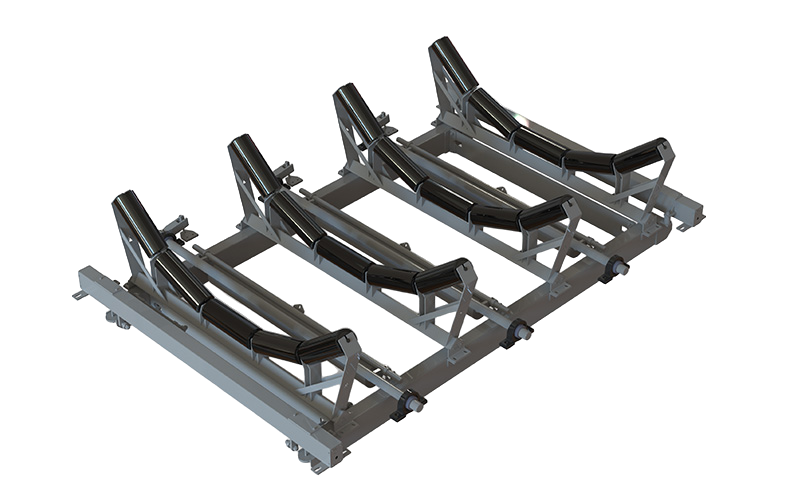
Attached to the conveyor stringers, the weigh frame is a steel structure containing weight sensitive transducers — it performs the weight measurement function of the system.
Speed Sensors
Typically a rotary encoder type of device, speed sensors measure the speed of the conveyor belt and come in a variety of types and styles to suit various applications.
Weigh Quality Idlers & Rollers
Weigh quality idler frames and rollers form the critical, sensitive physical connection between the weighing system and the conveyor belt.
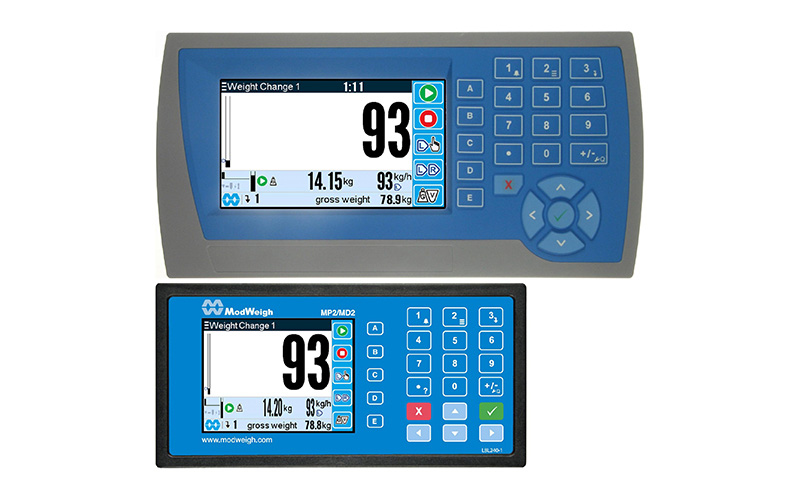
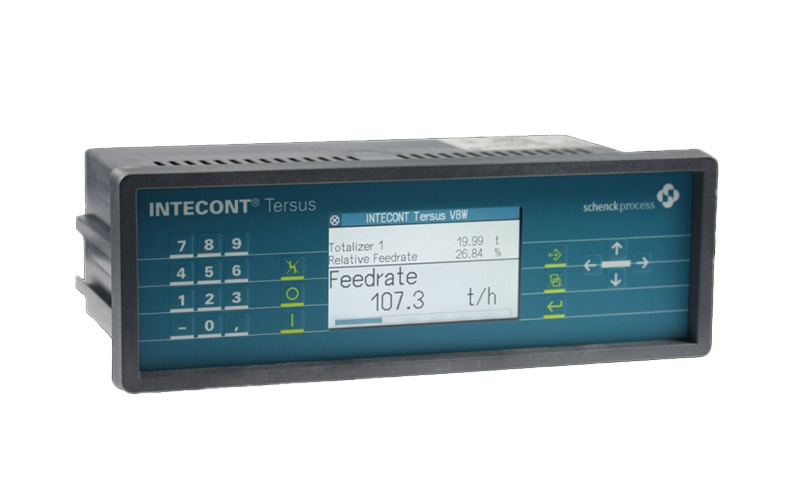
Integrators
The integrator combines the weight and speed signals into rates and totals on a display, and supplies live output data to the site control system.
Weigh frames
Accurate Industries offers a comprehensive range of weigh frame sizes, types and accuracy classes to suit a wide variety of applications & requirements. Manufactured in house to our own industry leading design, our weigh frames are fabricated in mild steel with a hot dipped galvanised finish as standard, or stainless steel with a bead blast finish for challenging environments.
| Component | Compact | Multi |
|---|---|---|
| Belt Widths | 500mm to 1500mm | 450mm to 2200mm |
| Idler Spacing | 500mm to 1500mm | 900mm to 1500mm |
| # of Idlers With Rollers | 1 x Standard | 2, 3 or 4 weigh quality idler frames with weigh quality rollers. |
| Accuracy | From +/- 1% | From +/- 0.25% |
| Construction | Stainless Steel | Heavy Duty Mild Steel (Option: Stainless Steel) |
| Finish | Bead Blast | Hot Dipped Galvanised (Option: Bead Blasted for Stainless Steel) |
| # Load Cells | 1 | 4 connected in parallel |
| Load Cell Rating | OIML R-60, 150% overload | OIML R-60, 150% overload |
| Stored in Place Calibration Weights | – | 2, 3, or 4 |
Please note: system accuracy is dependent on speed, environmental conditions, and installation location. Custom widths are available.
Download brochureSpeed sensors
Precise & consistent speed measurement is essential for belt weigher system accuracy. Conveyor characteristics vary greatly, so Accurate Industries provides a range of robust, industry proven speed sensor options — also suitable for tramp metal detectors, continuous belt speed monitoring and belt under speed measurement.
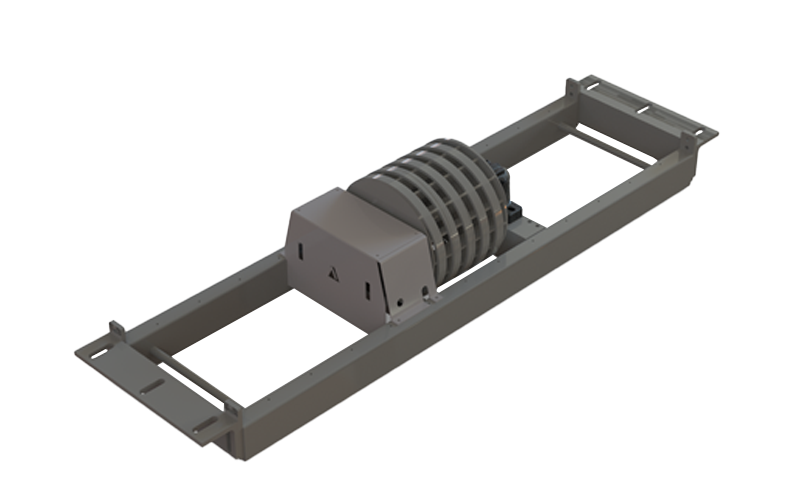
- Self-cleaning
- Robust, low wear, low maintenance and high reliability.
- Can be mounted close to the belt weigher reducing installation costs and improving system accuracy.
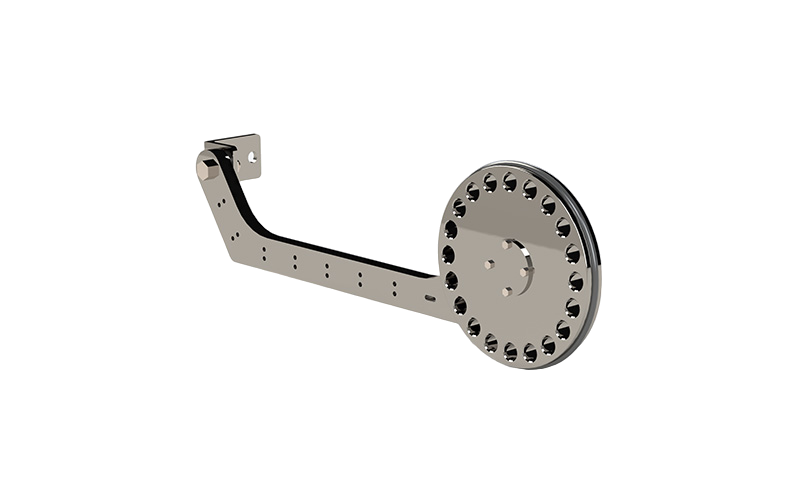
- Simple installation
- Can be mounted close to the belt weigher
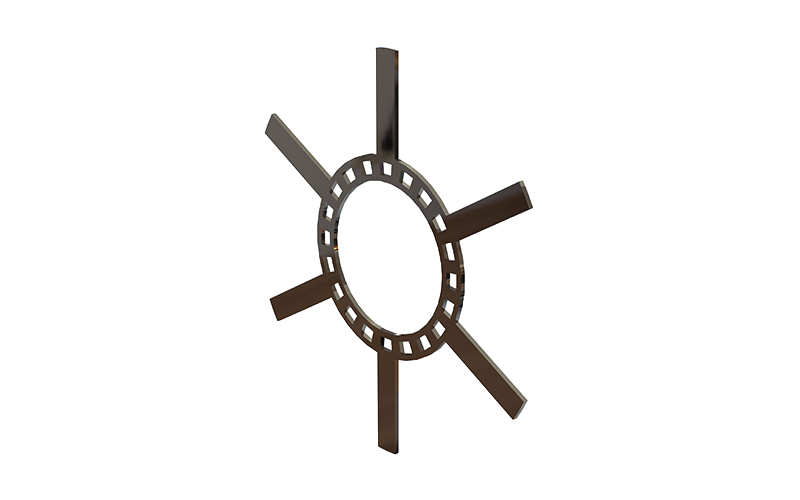
- Simple installation
- Easy replacement
| Component | Spiral Cage | Trailing Arm | Drum Mounted |
|---|---|---|---|
| Belt Widths | 600mm to 2400mm | N/A | N/A |
| Belt Speeds | 0.1 m/s up to 5 m/s | 0.1m/s up to 3 m/s | N/A |
| Output | Up to 25 pulses/min (option: additional outputs) | Up to 33 pulses/m | Dependent on size of drum |
| Construction | Heavy Duty Mild Steel (option: Stainless Steel) | Heavy Duty Mild Steel (option: Stainless Steel) | Heavy Duty Mild Steel |
| Finish | Hot Dipped Galvanised (option: Bead Blast for Stainless Steel) | Adonized (Bead Blast for Stainless Steel) | Zinc |
| Bearings | Standard (option: Heavy Duty) | Standard | Standard |
| Sensors | 3 wire NPN (option: 2 Wire, Namur, or more) | 3 wire NPN (option: 2 Wire, Namur, or more) | 3 wire NPN (option: 2 Wire, Namur, or more) |
Weigh quality idler frames & rollers
Weigh quality idler frames fitted with weigh quality rollers are essential for overall system accuracy. We manufacture ours in house to a stringent design for durability and correct weight distribution — every roller machined & balanced to the required ISO standards.
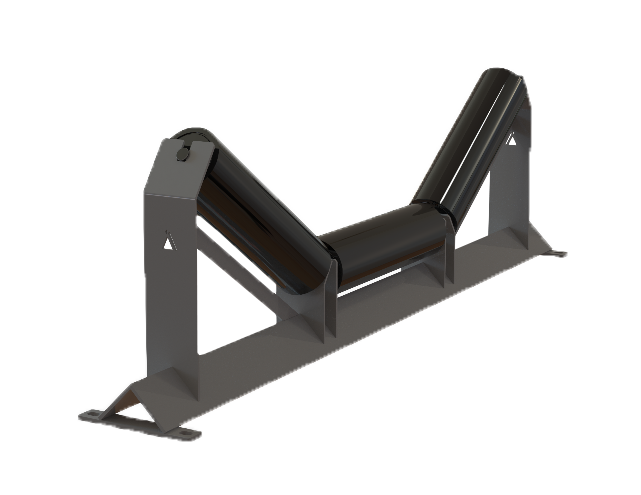
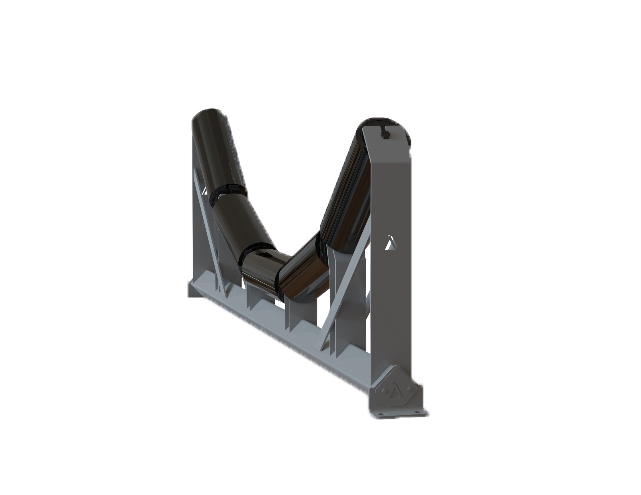
| Component | Weigh Quality Idler Frames & Rollers |
|---|---|
| Belt Widths | 600mm to 2400mm |
| # Rollers/Idler | 1, 3, or 5. |
| Roller Lengths | Per application |
| Roller Case Material | Heavy Duty Mild Steel (option: Stainless Steel) |
| Roller Case Thickness | Per application |
| Bearings | Heavy Duty |
Note: custom widths are available.
Integrators
Whatever the application, Accurate Industries has an integrator to meet the requirements. We represent some of the world's leading and industry respected brands — EMC ModWeigh & Schenck Process Intecont Tersus — to process measurement signals and deliver critical material flow data to operators and plant control systems.