
Products / Belt weighers / Speed sensors

Belt speed sensors

Spiral cage and USR speed sensors for belt weighers, conveyor under-speed protection, belt speed monitoring and tramp metal detectors. Australian designed and made.

Or call 1300 101 666

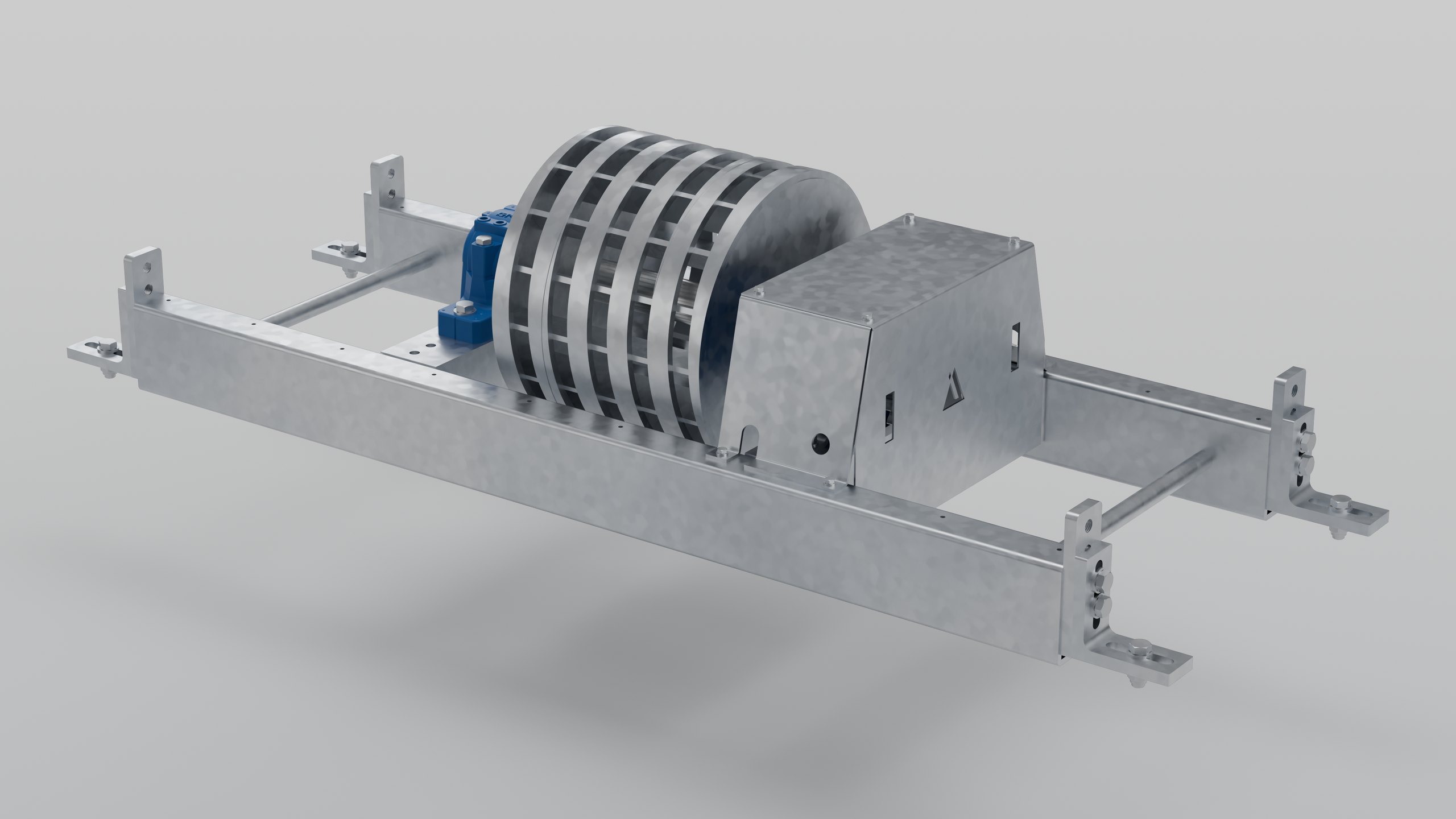
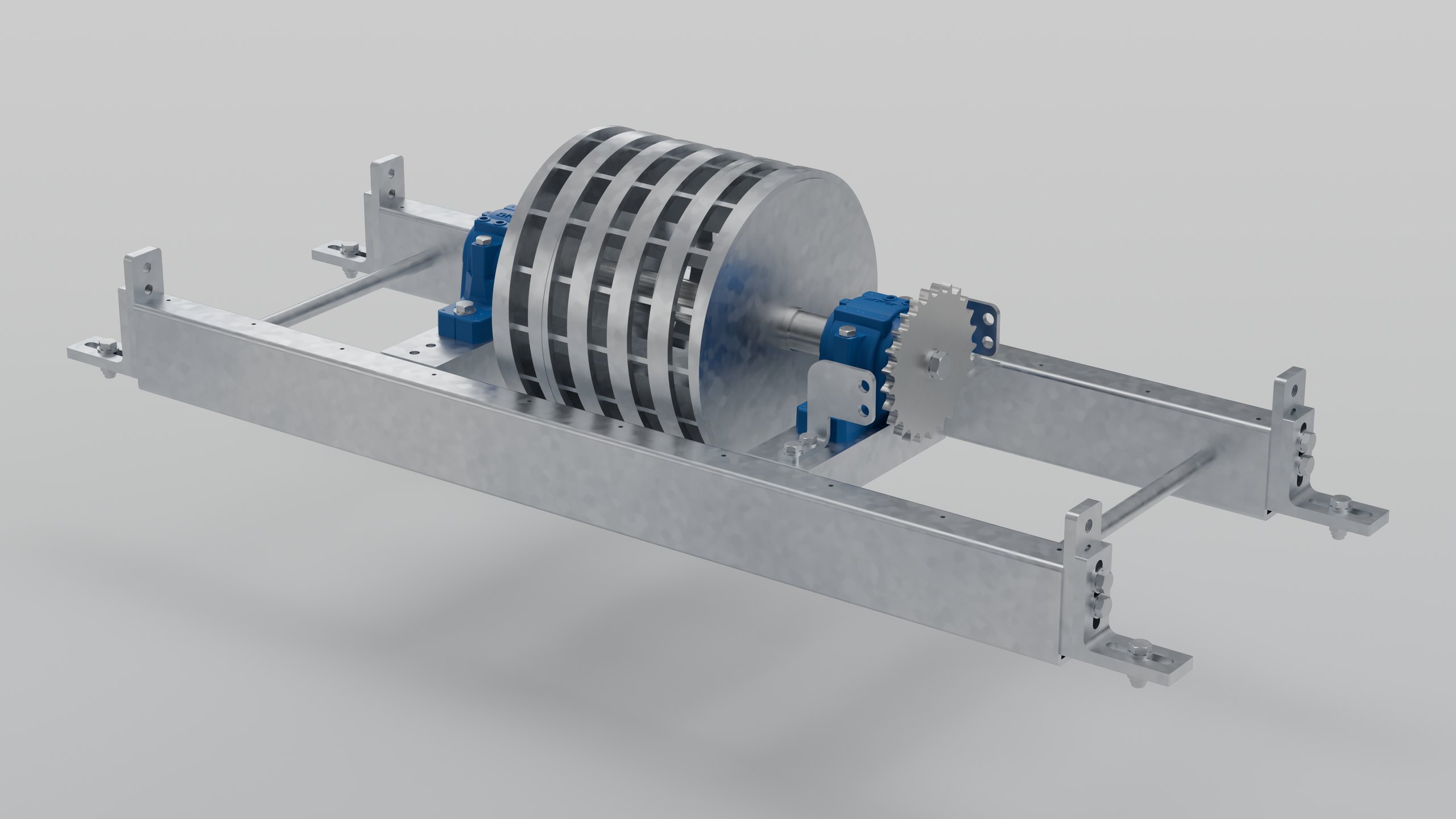
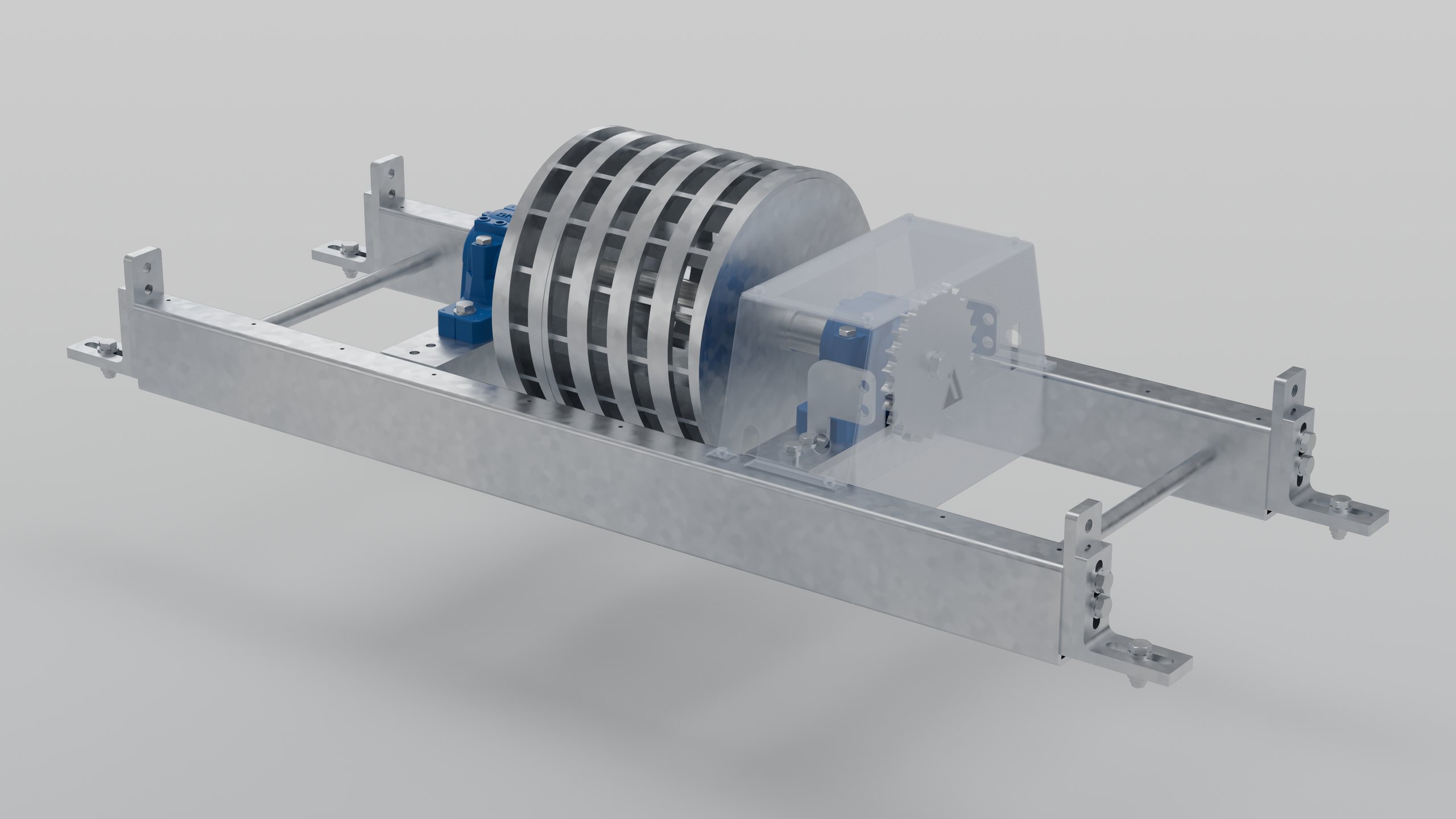
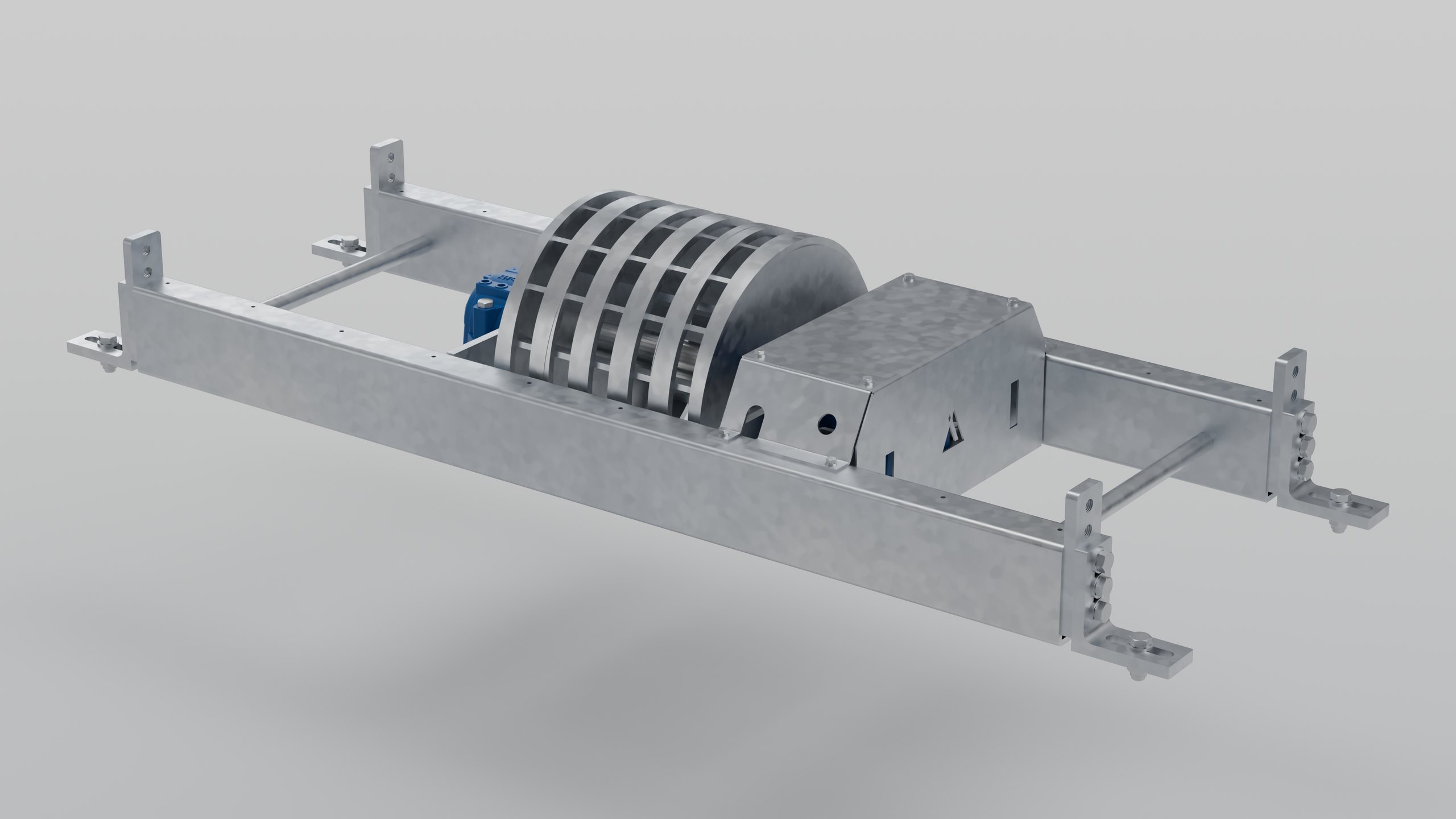
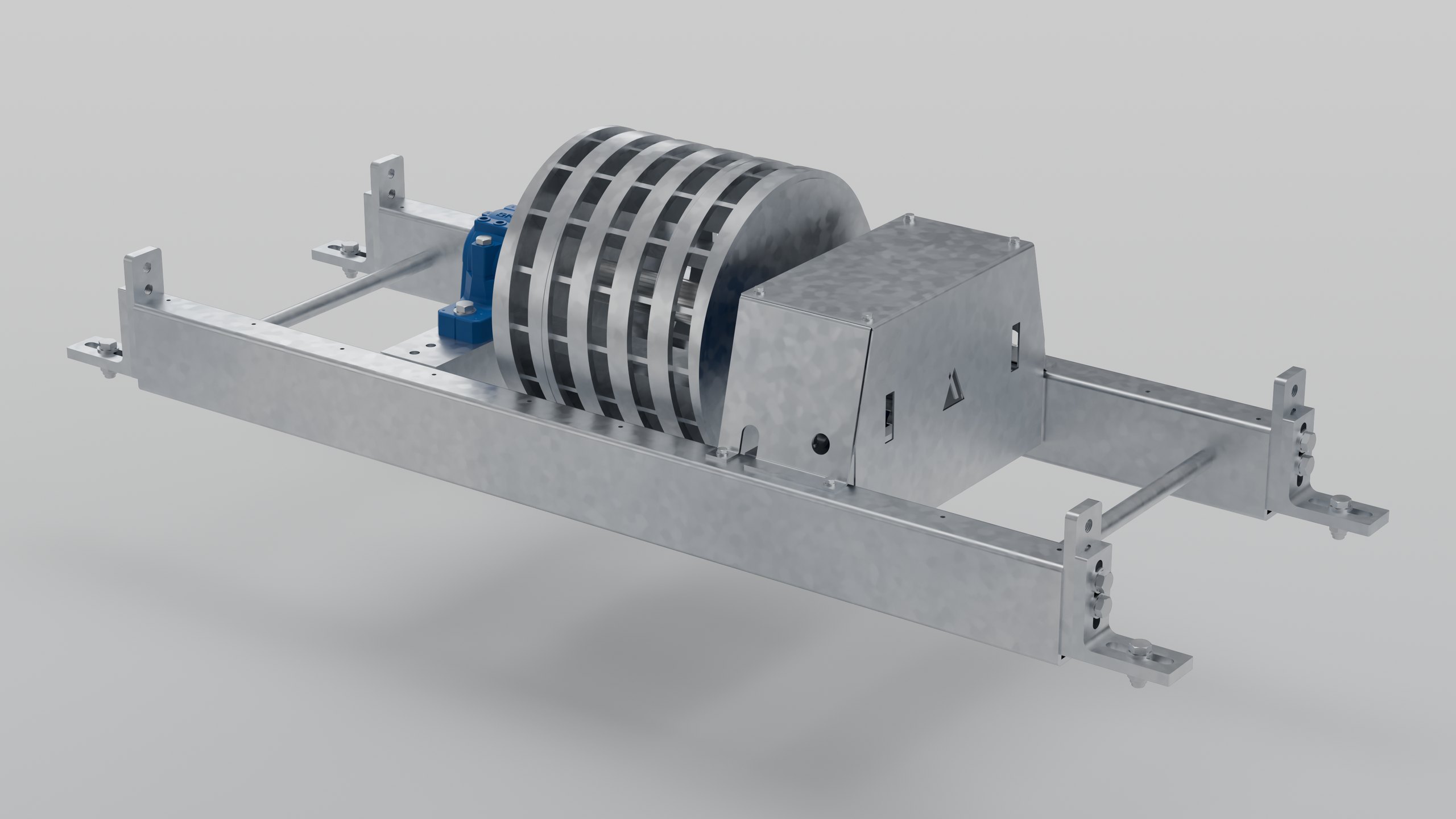
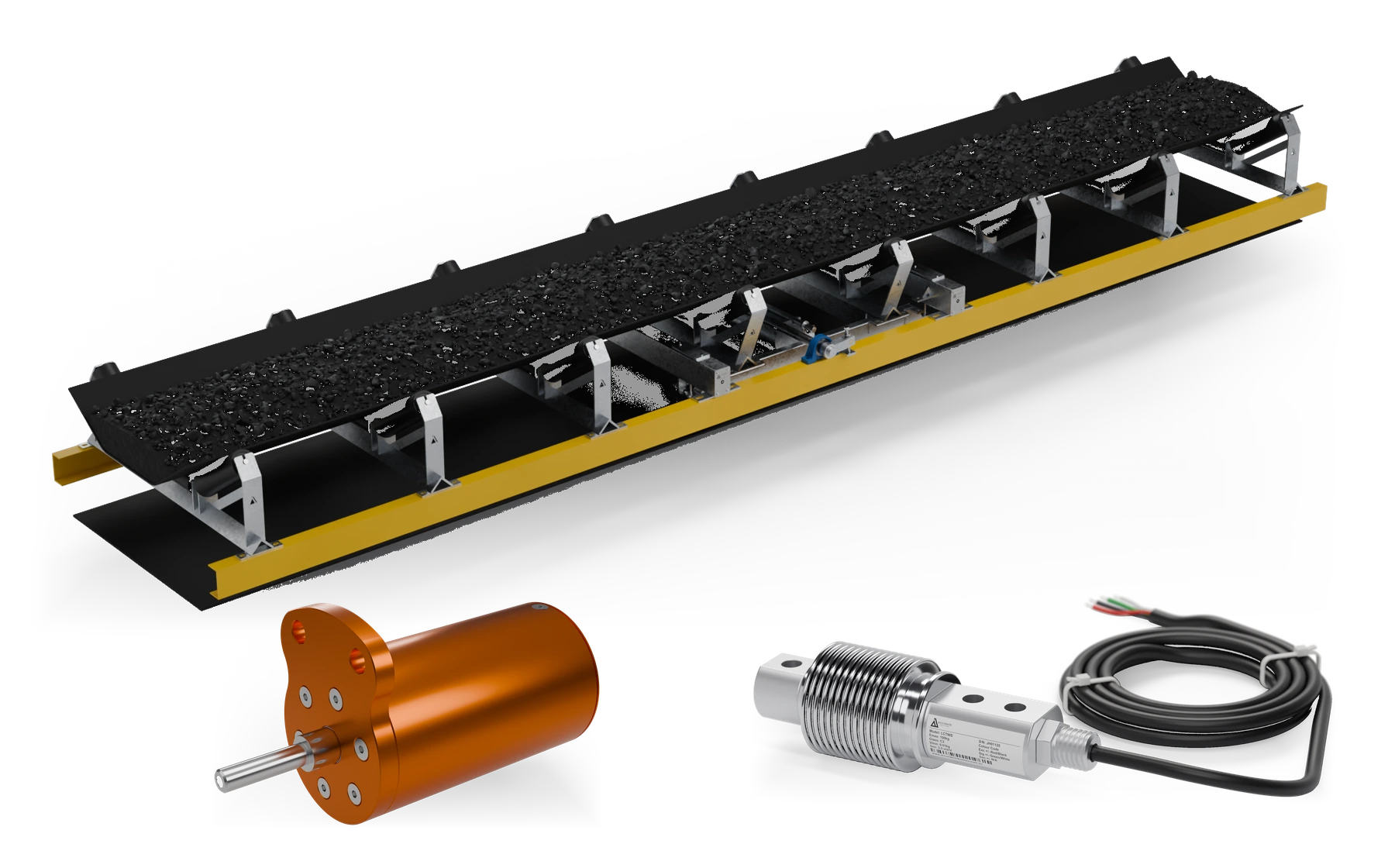
Shown: spiral cage HR and USR V1.1 speed sensors (3D renders, not to scale).

The range

Three ways to measure belt speed

Precise, consistent speed measurement is essential to belt weigher accuracy. Conveyors vary greatly, so we make a range of robust, industry-proven speed sensors, also suitable for tramp metal detectors and continuous belt speed monitoring. Every sensor in the range can provide conveyor under-speed measurement, and the USR V1.1 can supply weighing and under-speed signals at the same time.

Spiral cage HR belt speed sensor

Spiral cage

  • Self-cleaning; robust, low wear, low maintenance
  • Mounts close to the weigh frame, improving accuracy and reducing installation cost
  • HR (hard rock, sprocket drive) and SR V2.0 (soft rock) versions
  • Belt widths 600 – 2,400 mm, speeds 0.1 – 5 m/s
  • Also suits conveyor under-speed measurement
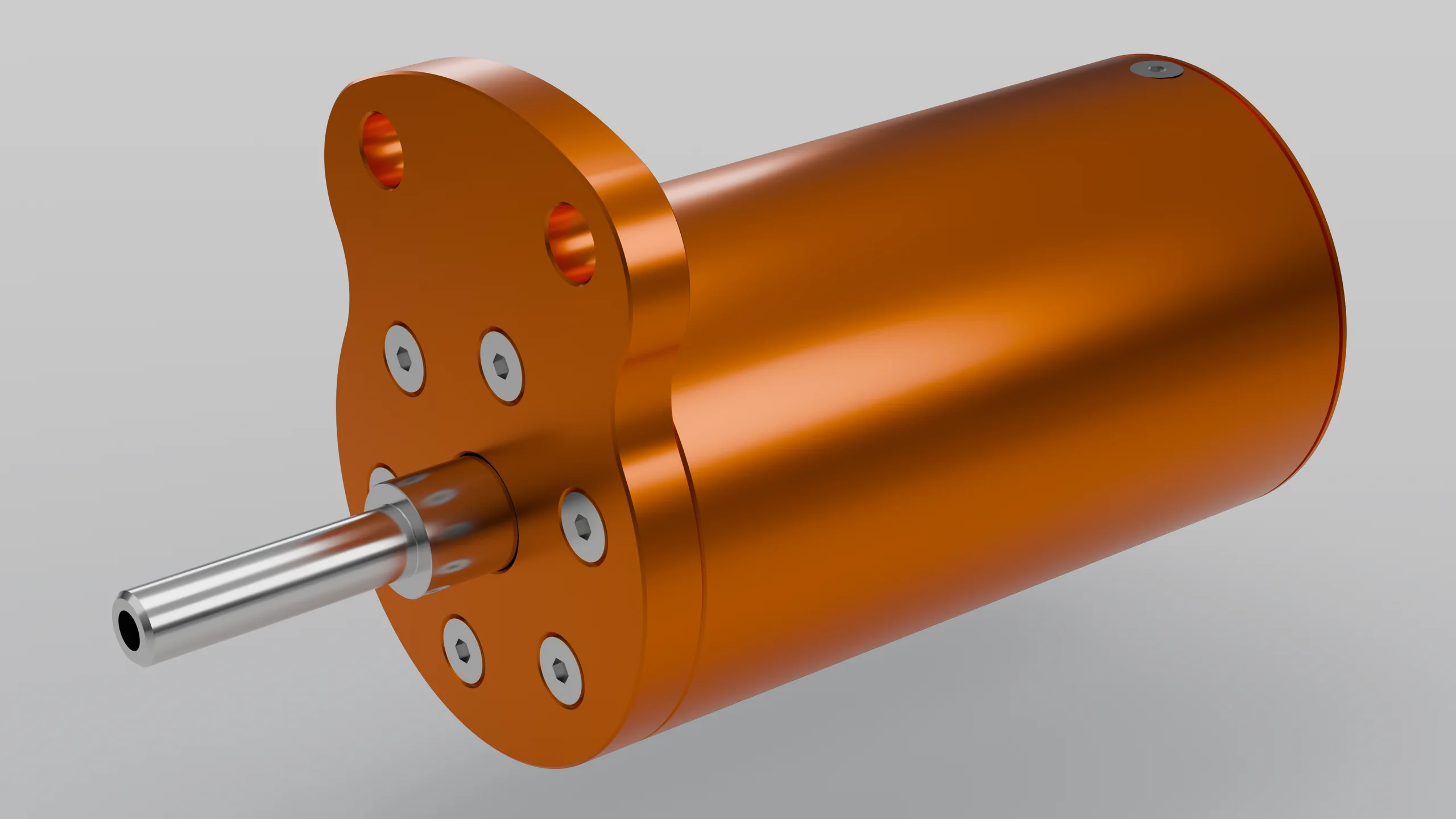
USR V1.1 belt speed sensor on a trailing arm

USR trailing arm

  • Simple installation
  • Mounts close to the belt weigher
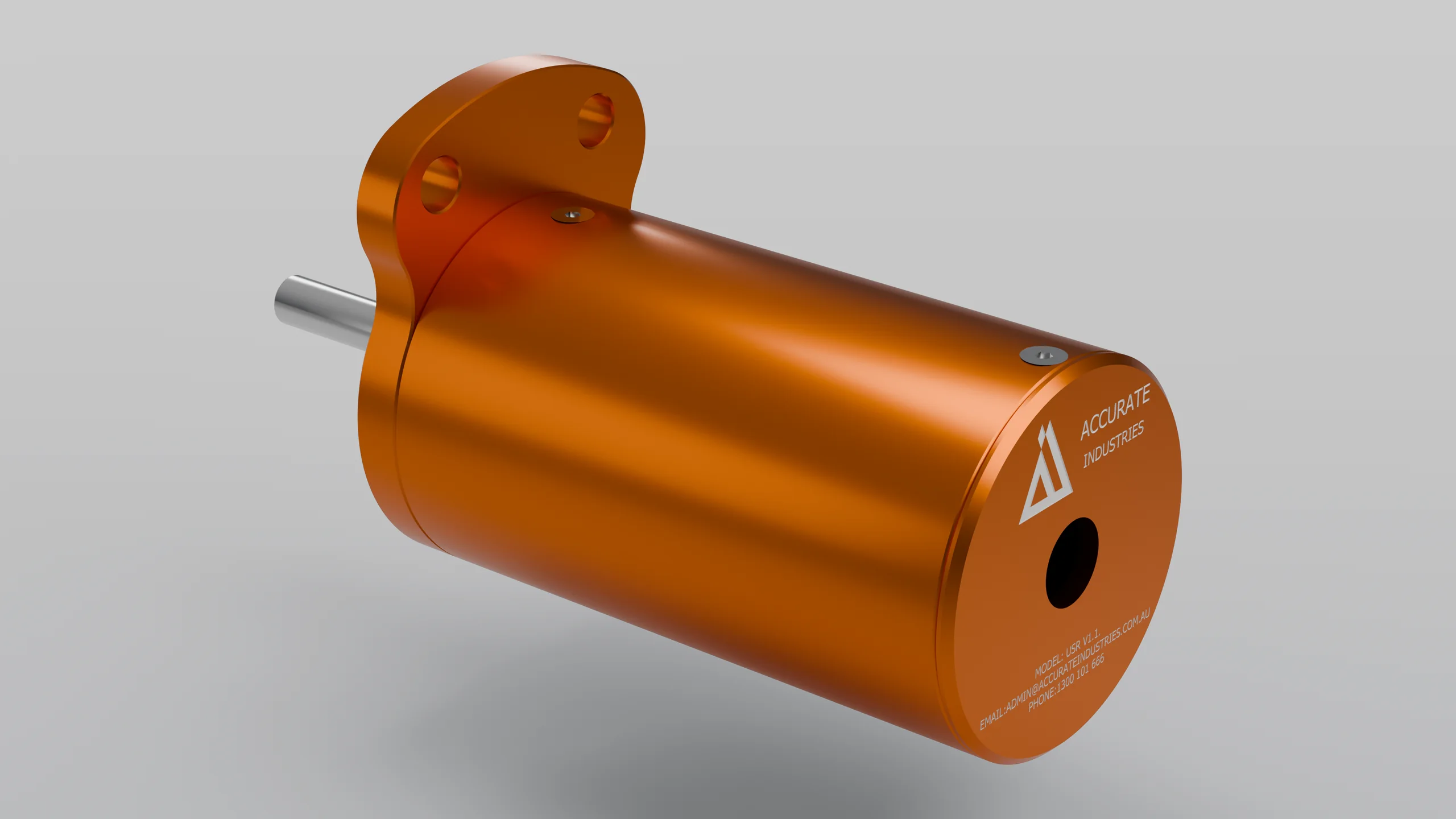
  • The USR V1.1 sensor on a trailing arm, orange anodised housing, stainless shaft
USR V1.1 belt speed sensor, drum mounted

USR drum mounted

  • Simple installation, easy replacement
  • Mounted on the tail drum
  • Output depends on drum size
USR V1.1, up close

Weighing and under-speed from one sensor

The USR V1.1 has two outputs, so one sensor can give the belt weigher its speed input and the conveyor its under-speed signal at the same time, or feed two belt weighers on the same conveyor. Each output can be a different type, for example NPN for the integrator and PNP for the under-speed monitor or PLC. It mounts on the tail drum or on a trailing arm.

USR V1.1 speed sensor, 3D render
USR V1.1One sensor, two outputs
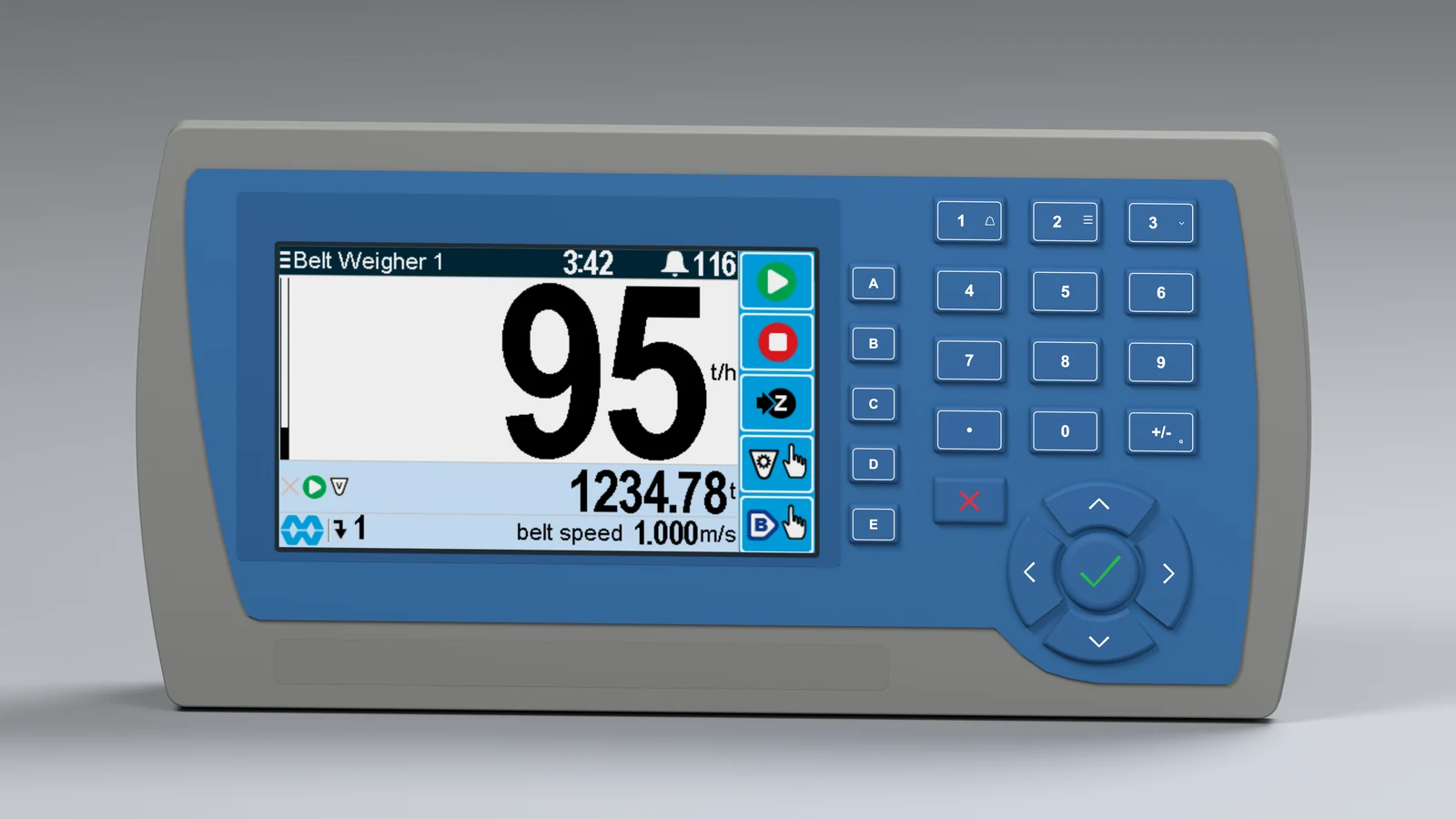
Belt weigher integrator showing t/h and belt speed, 3D render
Output 1 · NPN

Belt weighing

Speed signal to the integrator, which works out belt travel and material flow in t/h.
Loaded conveyor, 3D render
Output 2 · PNP

Conveyor under-speed

At the same time, a second signal goes to the under-speed monitor or PLC, which raises alarms or trips the conveyor if the belt slows.

Output types shown are an example. Each output can be NPN or PNP to suit the system it feeds.
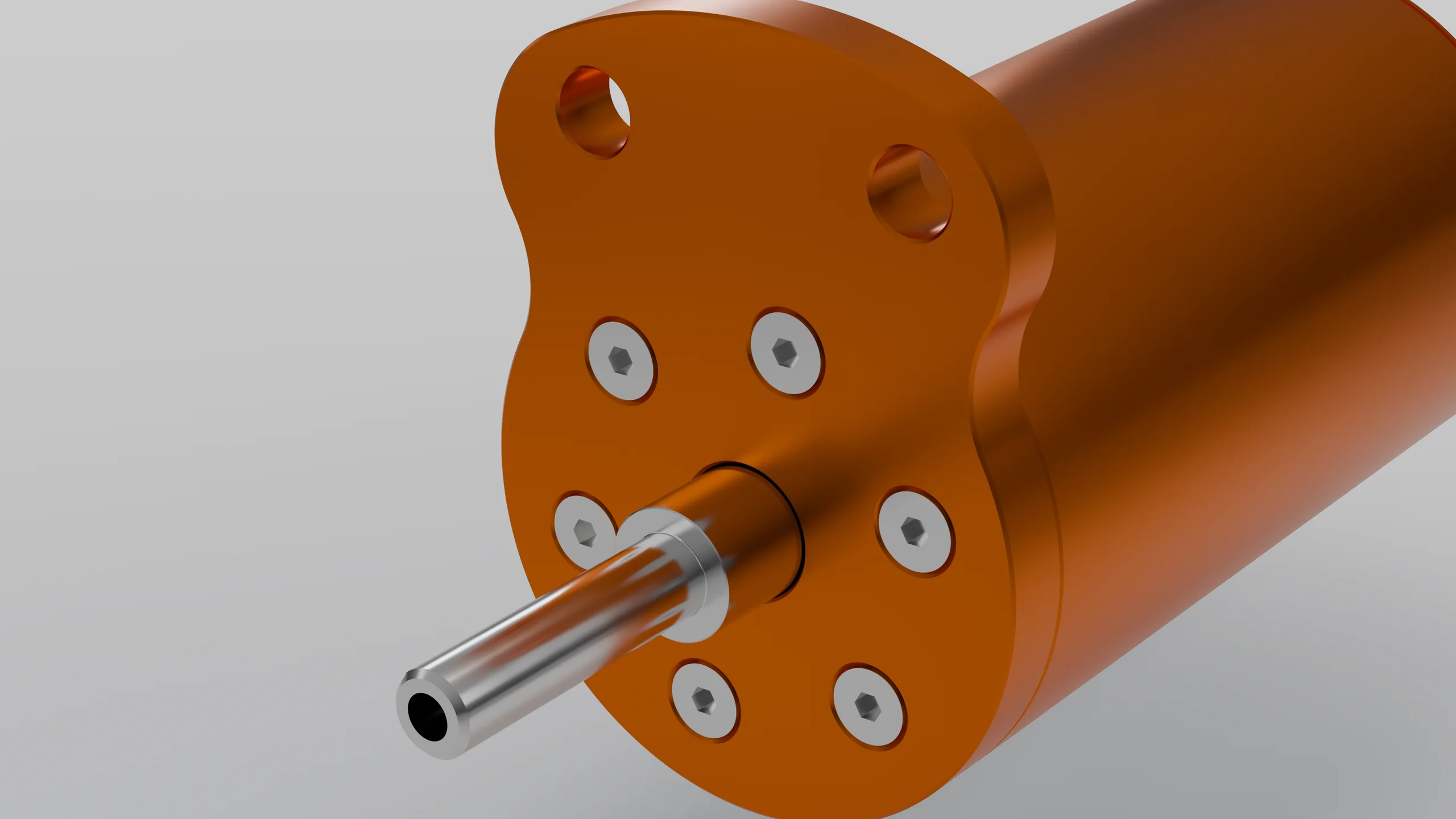
USR V1.1 speed sensor stainless shaft, close-up
USR V1.1 speed sensor engraved housing, close-up
USR V1.1 configurations

Configure the signal to suit your system

The USR V1.1 houses one sensing type at a time: optical, proximity or encoder. Optical and proximity versions have two outputs, and each output can be a different type to suit the system it feeds. The encoder version has one output.

Sensing typeOutput typeSupply voltageOutputsPulses / rev
OpticalNPN or PNP, open collector5–24 V DC ±10%228
M12 proximity, 3-wireNPN or PNP, normally open10–30 V DC28
M12 proximity, 2-wireDC sink/source, normally open10–30 V DC28
EncoderPush-pull, no reverse signal5–30 V DC1600

Pulses per revolution are at the sensor shaft. Pulses per metre of belt travel depend on the diameter of the wheel or pulley the sensor is driven from.

Mounting to suit your conveyor

Trailing arm (recommended)

The sensor is driven by a wheel running on the belt, so it measures belt movement directly. It mounts close to the belt weigher or wherever the speed input is needed, and it keeps the sensor away from the tail drum, where spillage, build-up and cleanup work can damage drum-mounted gear. It is the arrangement we recommend.

Pulley shaft mounted

The sensor is driven straight off a conveyor pulley shaft, and the machined shaft adapts to suit the pulley or wheel arrangement. Simple to fit and still a popular choice. The tail end of a conveyor is a tough spot for any sensor, so it is worth planning some protection for it.

Dual-sensor redundancy. Fit two optical or proximity sensors as a duty/standby pair on one belt weigher or one under-speed system. If the duty sensor fails, change over to the standby and keep production running without stopping for a sensor replacement.

Spiral cage, up close

Spiral cage HR and SR

The spiral cage mounts to the stringer under the carry side of the belt and cleans itself as it turns. The HR (hard rock) version is sprocket driven; the SR V2.0 is for soft rock. Both mount close to the weigh frame. The spiral cage can also supply the speed signal for conveyor under-speed protection, which makes it a strong option on conveyors where tail drum sensors keep getting damaged.

Spiral cage HR belt speed sensor, complete

Spiral cage HR, complete.

Spiral cage HR belt speed sensor with the cover off

Spiral cage HR with the cover off.

Spiral cage HR with the guard shown see-through, sprocket and bearings visible

Inside the guard: sprocket, bearing housings and the proximity sensor mounts.

Spiral cage SR V2.0 belt speed sensor

Spiral cage SR V2.0, for soft rock.

Buying or replacing

What to send us

For a new speed sensor or tacho, send the belt speed, mounting arrangement and integrator model. For under-speed protection, tell us what the signal goes to (a PLC or under-speed monitor), the input type it needs, and whether the same sensor should also feed a belt weigher. For a replacement, include the existing sensor label, supply voltage, output type, pulse information and a photo of its mounting. We check electrical and mechanical compatibility before recommending an option; a matching connector alone is not enough.

Unknown details are fine. Email photos for a speed-sensor enquiry, or for help investigating no signal or incorrect speed see the belt weigher speed-sensor guide.

Enquire

Tell us about your conveyor.

Belt width, belt speed, the mounting space and what it connects to: the integrator, the under-speed monitor or PLC, or both. Send those and we recommend the sensor and quote it, supplied on its own or as part of a complete belt weigher system.