
Accurate Industries services, calibrates and commissions Schenck (Qlar) belt weighers across Australia, including MULTIBELT weigh frames and systems using INTECONT Tersus or earlier INTECONT electronics. We help with inaccurate readings, breakdowns, replacement-part identification and integrator upgrades. This guide explains what a service visit covers, common problems we investigate and the information to send when you need support.
Qlar is the current company name for the Schenck Process weighing and feeding business. Many installed belt weighers and INTECONT controllers still carry the Schenck name.
Book service or calibration | Identify a replacement part | View the INTECONT Tersus integrator
Speak with our team on 1300 101 666.
See the INTECONT Tersus up close
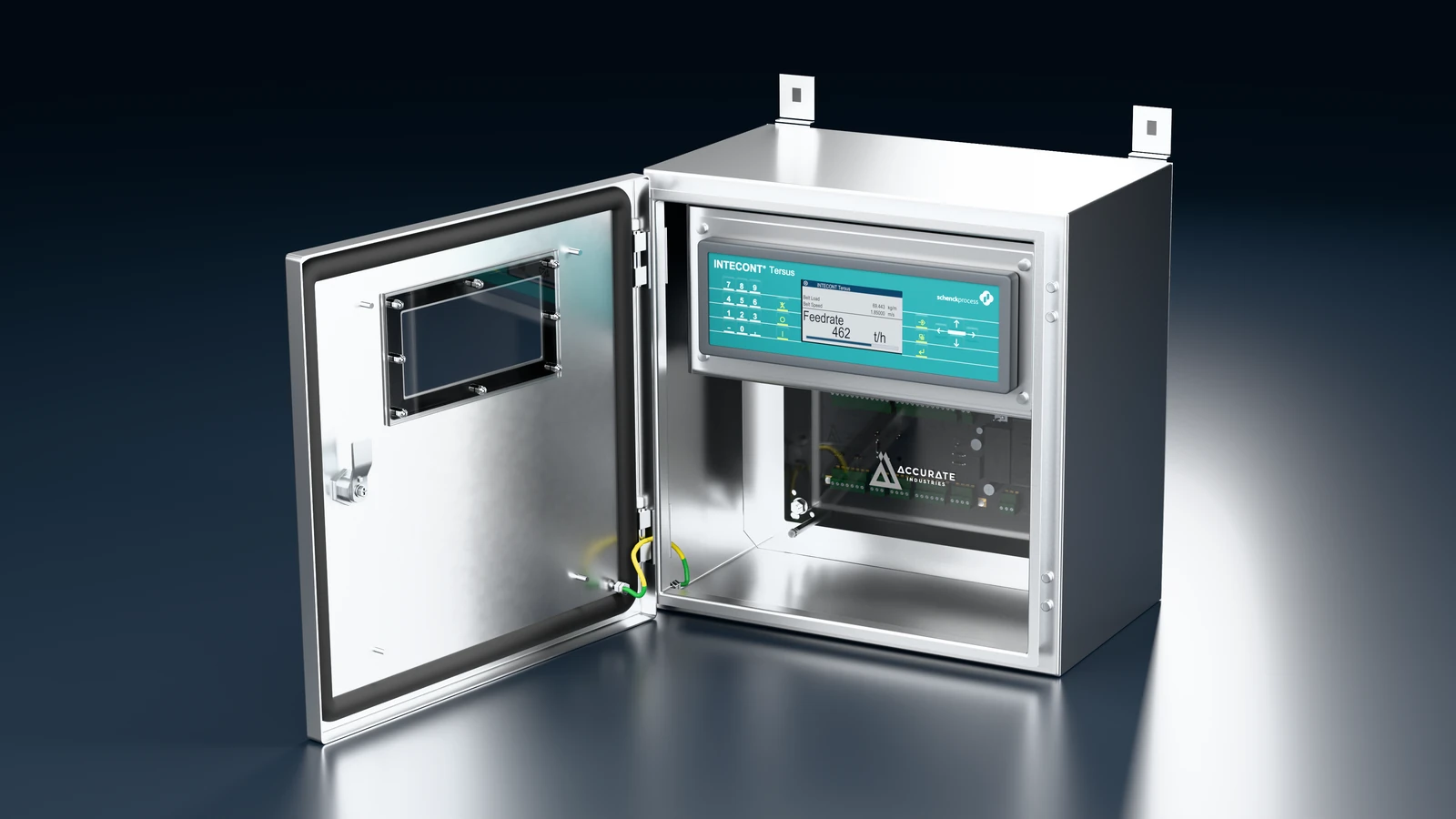
The Tersus is the Schenck belt weigher integrator we supply and service most. Here it is built into our 316 stainless enclosure, plus a look at the connections on the back.
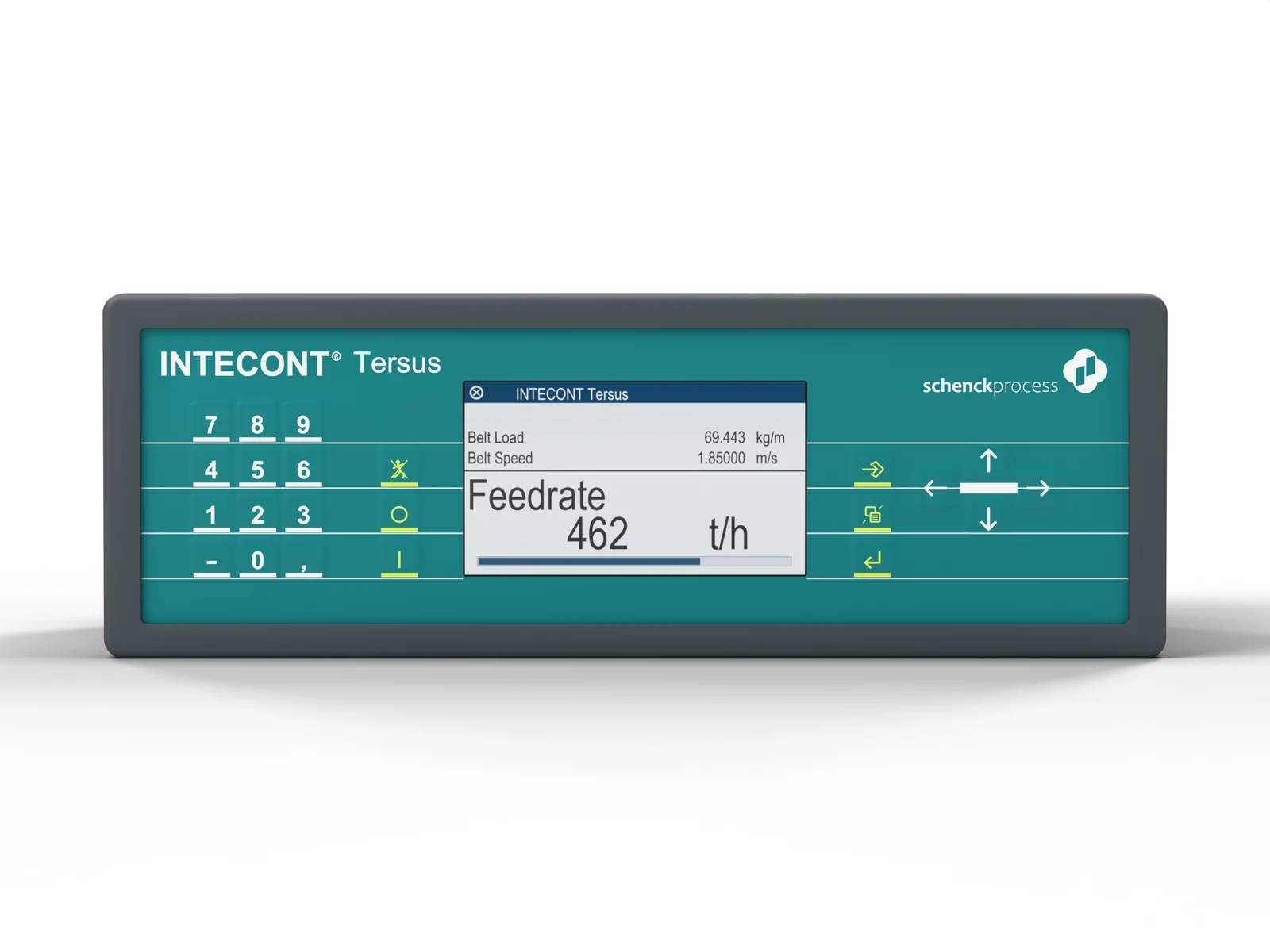
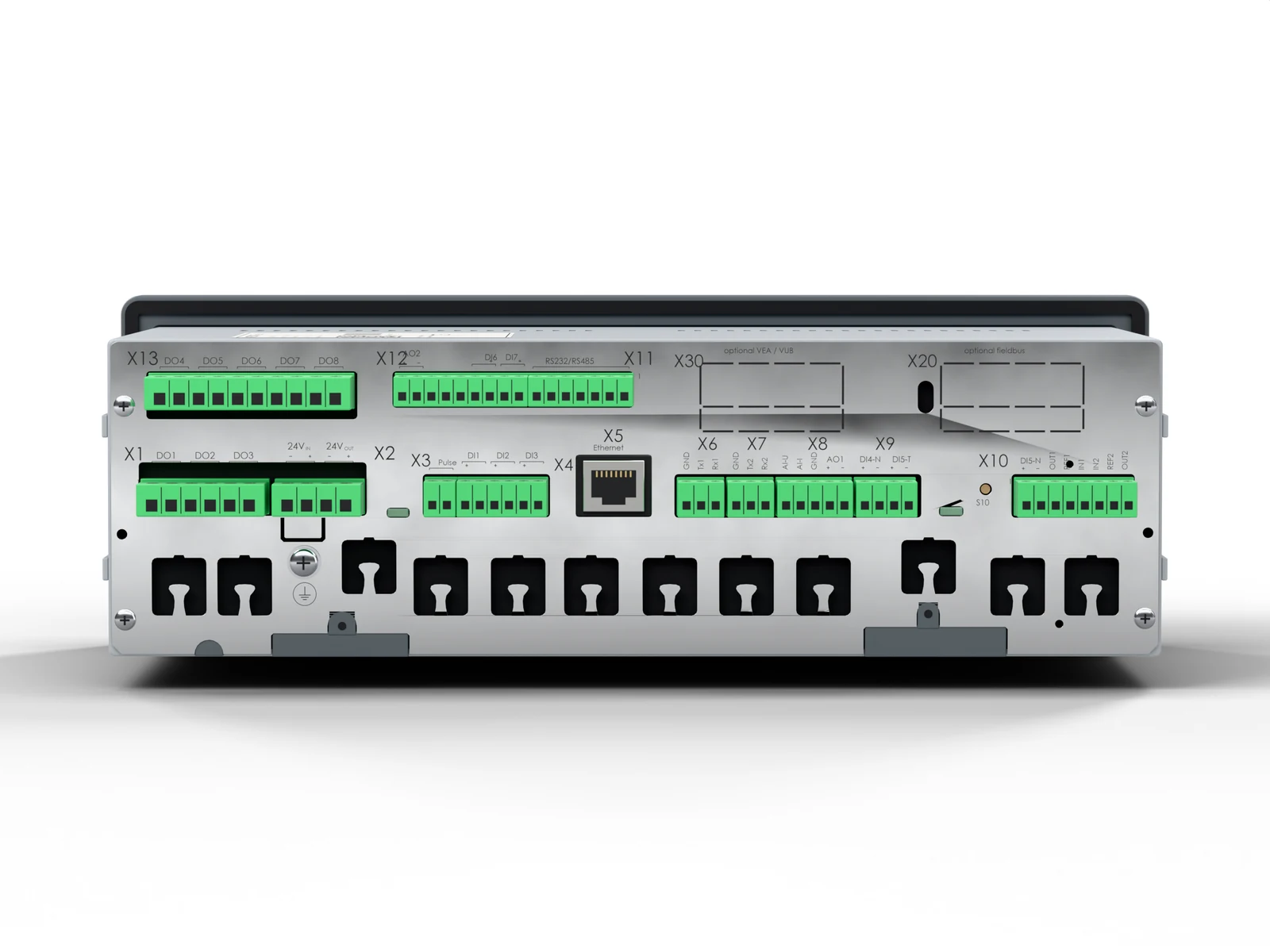
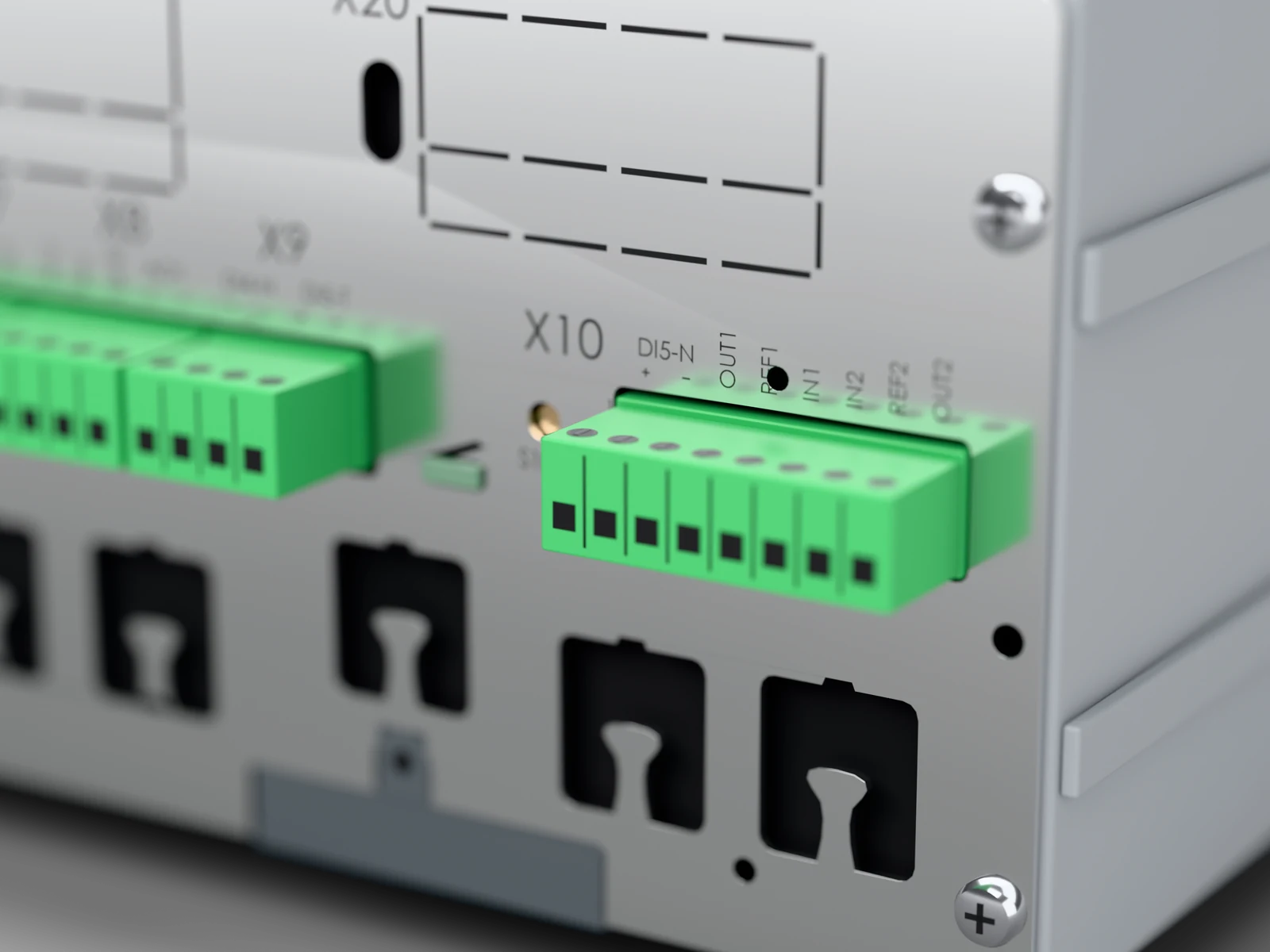
Schenck belt weigher servicing and calibration across Australia
We are an agent for Schenck and service the complete belt weigher: the weigh frame, load cells, speed sensor, integrator and connecting wiring. Our work includes scheduled calibrations, breakdown callouts, mechanical repairs and commissioning of new or replacement equipment.
Schenck belt weighers are also known on Australian sites as weightometers or conveyor belt scales. Whatever your site calls them, the aim is the same: reliable rate and total readings backed by repeatable checks and clear service records.
This guide describes maintenance calibration for production monitoring and stock reconciliation. If the scale is used for trade, tell us when enquiring so we can confirm the separate verification requirements and scope of work.
Schenck belt weigher spare parts and replacement support
Send the weigh frame and integrator models, any part number and a description of the fault. We assess compatibility before recommending a replacement. Where appropriate, we can source genuine Schenck parts or discuss a suitable alternative; the quoted item will identify which is being supplied. Availability depends on the part and model.
| Part or assembly | Information that helps | Next step |
|---|---|---|
| INTECONT integrator | Model, software version if available, current application, inputs, outputs and control-system connections. | INTECONT Tersus product information |
| Load cells | Part number, capacity, mounting dimensions and electrical connections. | Load cell identification and supply |
| Speed sensor | Sensor model, supply voltage, output type, mounting arrangement and any speed-related alarm. | Discuss a replacement speed sensor |
| Wiring, junction or interface assembly | Assembly label, wiring diagram if available and photos of the connections. | Accurate Industries interface PCB or ask about your existing assembly |
For four-channel load cell wiring and individual channel switching, see our load cell switching PCB. Suitability for an existing installation needs to be checked.
What does a Schenck belt weigher calibration include?
We begin by checking the physical installation against the stored setup: frame geometry, load cell details, speed measurement and the calibration method specified for the equipment. A parameter adjustment alone will not correct a mechanical problem.
- Condition and installation checks. Inspect the weigh area, idlers, belt tracking, build-up, free movement of the frame and the condition of sensors and wiring.
- Zero checks. Run the empty belt under the required conditions and check that the zero result repeats. Build-up, binding components, belt behaviour and vibration can affect the result.
- Span checks. Apply the appropriate test load or calibration method for the weigh frame and integrator. Whether the belt runs or remains stopped depends on that method; a static test is not a universal procedure for every Schenck installation.
- Material comparison where required. Compare the belt weigher total with a separately established reference mass under suitable test conditions. Investigate inconsistencies before applying any correction.
- Results and records. Record the as-found and as-left settings, test results and outstanding work. Service records are kept in AIMM, our asset management system, with the next service due date, at no extra cost.
See what happens during a belt weigher calibration visit for more detail. Overall belt-scale performance depends on the complete installation and operating conditions, not just the integrator’s measurement specification.
Keeping it accurate between service visits
Most of the drift we find on site starts small, so a bit of routine goes a long way.
- Run a zero about every two weeks Run it again after a big change in the weather, with the belt running empty.
- Check the span, but don’t accept it. A span check is a good health check. Leave span adjustments to the service visit so a bad test doesn’t get locked in.
- Book a service calibration every quarter. We adjust zero and span at each visit, and quarterly visits keep up with the changing seasons.
- Keep the weigh area clean. Build-up on the weigh idlers, or anything rubbing the frame, shows up as zero drift straight away.
- Keep the idlers aligned. We set the weigh area idlers with two string lines over each roll, to about 0.3 mm, all at the same height and usually slightly above the idlers either side. If an idler in the weigh area gets replaced, have the alignment checked.
On our service visits, a routine span result inside 0.25% is accepted. Outside that, we find out why before we adjust anything. A healthy scale repeats its span check within 0.1%.
Common Schenck belt weigher faults and symptoms
These are possible areas to investigate, not diagnoses. A service technician needs to assess the installation and its history before deciding what to change.
| Symptom | Possible areas to investigate | Useful information to send |
|---|---|---|
| Inconsistent totals | Zero stability, belt tension and tracking, weigh-idler condition, speed measurement, loading and the reference weighing method. | Belt weigher totals, reference weights, operating conditions and when the difference occurs. |
| Unstable or drifting zero | Build-up, binding frame components, vibration, belt behaviour, load cell wiring or moisture in connections. | Empty-belt readings, whether the fault is intermittent and recent cleaning or mechanical work. |
| Missing or incorrect speed signal | Sensor supply, wiring, sensor alignment, mechanical drive and compatibility between the sensor output and integrator input. | Sensor model, alarm text, displayed speed and details of any recent sensor replacement. |
| Incorrect readings after a component change | Replacement compatibility, wiring, load cell data, speed scaling, frame geometry and calibration settings. | Old and new part numbers, saved settings and the work completed before the fault appeared. |
INTECONT Tersus setup: details that need checking
Settings from another integrator should not be copied across without checking their meaning. The correct procedure depends on the weigh frame, instrument hardware and application software. We check the relevant manufacturer documentation alongside the actual installation.
- Units and rated data. Confirm the units used for dimensions, test loads, belt speed and flow rate before entering values.
- Lever ratio and frame geometry. Check the manufacturer’s definition of the lever ratio or H value. A familiar ratio from another system may be expressed differently.
- Conveyor inclination. Check how the specified calibration method accounts for incline, so the same correction is not applied twice.
- Load cell excitation and connections. Confirm the excitation type and the correct measurement method for the fitted electronics before interpreting meter readings.
- Speed sensor interface. The Tersus speed input takes NAMUR or NPN sensors. Check which input is set up before connecting a sensor.
Ethernet and plant communications. A computer connection for setup or service does not establish that Modbus TCP is included. Modbus TCP is not standard on the Tersus units Accurate supplies; confirm the required protocol and fitted options when specifying a unit.
These checks explain what we investigate during service; they are not a substitute for the model-specific wiring and calibration instructions. Contact Accurate Industries for the manual matching the installed model and software. Electrical checks and work around moving conveyors require appropriate personnel and site procedures.
Wiring tips from our technicians
- Speed input: the Tersus takes NAMUR and NPN speed sensors. Aim for about 2,000 pulses per minute at normal belt speed.
- Load cell cable: if the load cells aren’t wired into a junction box close by, run sense cable so the integrator can allow for the cable run.
- Access codes: most integrators we see have no password set. If your site sets custom access codes, we can keep them on record for you in AIMM, our asset management system, at no extra cost.
Commissioning a new or replacement INTECONT Tersus
We commission new and replacement Tersus integrators and assess retrofits onto existing weigh frames. A typical job includes an installation survey, model-specific parameter setup, zero and span checks, repeatability checks and documentation for the next technician. When replacing another brand, we carry across the purpose of the old setup rather than assuming its parameter values transfer directly.
For specifications, connection options and supply enquiries, see the Schenck INTECONT Tersus integrator page.
Field connections in a complete integrator kit
Our integrator interface PCB is included when we supply a complete belt weigher integrator kit in an enclosure. Clearly labelled pull-out terminal blocks, organised field connections and speed and totaliser pulse indicators help with installation and servicing. AC or DC power options use manual power-source selection. The board is an Accurate Industries assembly; suitability for an existing system must be confirmed.
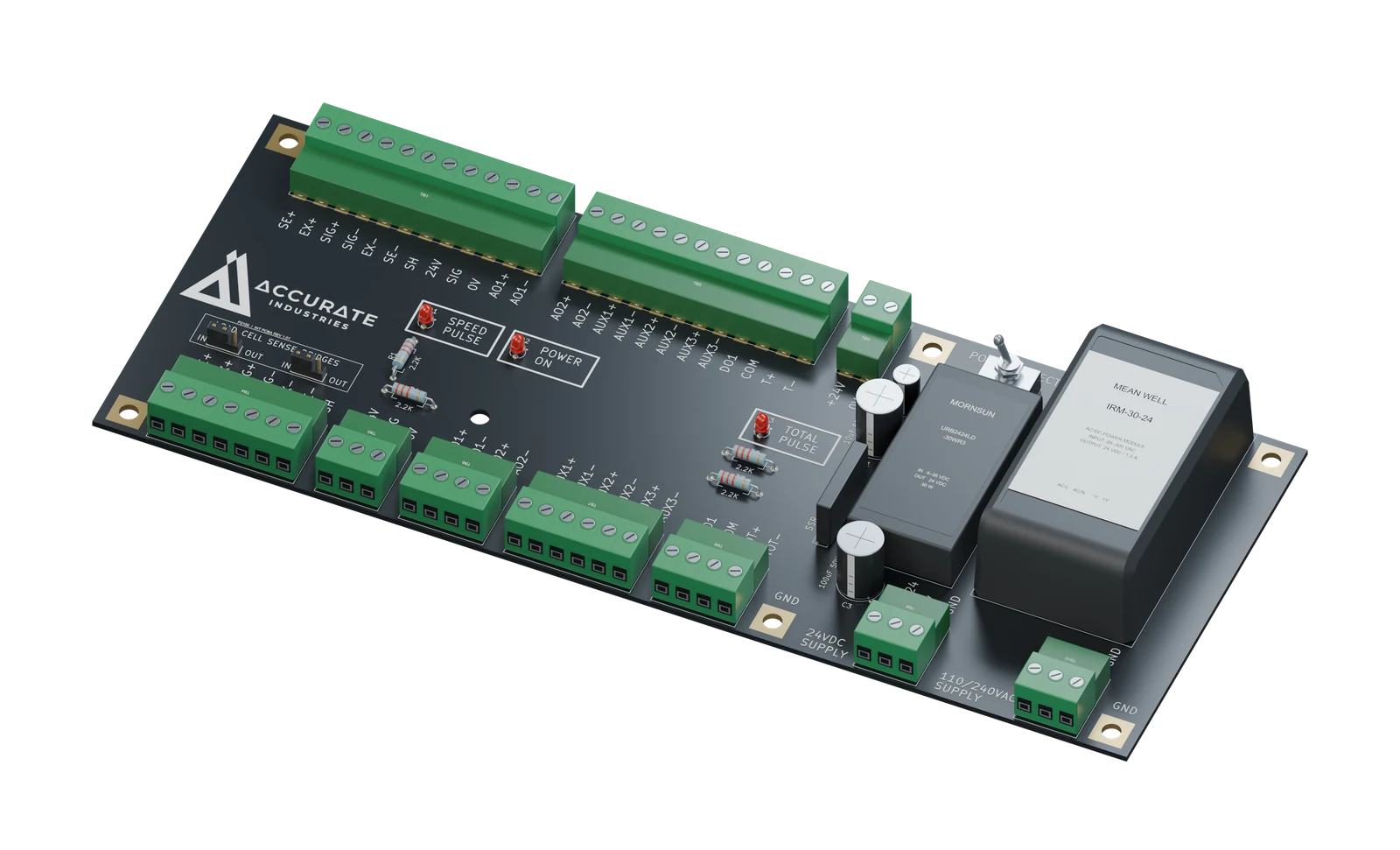
Supplied stand-alone or built into an enclosure
Every installation is different, so we work out how the Tersus is mounted with you before we quote. We supply it three ways:
- Stand-alone Ready to fit into your existing panel or switchroom.
- Built into our 316 stainless steel enclosure 400 × 400 × 250 mm, with a viewing window. Ready to mount out near the scale.
- Built into another enclosure to suit the site For installations where it needs to match an existing panel, fit a tight spot or leave room for extra communications gear.
When we supply a complete kit in an enclosure, our integrator interface PCB is included, so the field wiring lands on clearly labelled terminals. Tell us where the integrator will live, how far it is from the weigh frame, and what power and communications you have, and we’ll recommend the setup that suits.
What to send with a Schenck service or parts enquiry
- Your site location and contact details.
- The weigh frame and integrator models, plus serial or part numbers if available.
- A description of the problem, when it started and any alarm text.
- Recent component changes, service records or saved parameters.
- Photos of the equipment and identification labels. Include accessible connection details where relevant.
- Whether you need breakdown assistance, calibration, commissioning or a replacement part, and your required timeframe.
Send whatever you have; we can help identify what is missing. To send photos, attach them to an email to admin@accurateindustries.com.au. For an enquiry without attachments, use our online contact form.
Why use Accurate Industries for your Schenck scales?
One service team across brands. We service Schenck, Thermo Ramsey, CST and other major belt weigher brands, so sites with mixed equipment can coordinate their maintenance through one team.
Clear condition reporting. We explain what needs attention, what can remain in service and when replacement or relocation should be considered. Being a Schenck agent does not mean recommending a new integrator when the existing one can do the job.
Documented service history. Recorded settings and results help your maintenance team track changes and plan the next service.
Frequently asked questions
Do you work on Schenck weigh frames as well as the integrator?
Yes. We service the complete belt weigher, including the weigh frame and carriage, load cells, speed sensor, integrator and wiring between them.
Can you assess a Tersus that has been set up incorrectly?
Yes. We compare the stored setup with the physical installation and the relevant manufacturer instructions, then investigate mechanical, electrical and calibration issues. The work required depends on what we find; not every inaccurate reading is a parameter fault.
Do you supply Schenck parts and speed sensors?
We help identify and source belt weigher replacement parts, including load cells, speed sensors and integrator equipment. Send the model and part number where possible. We confirm compatibility and availability, and identify whether the proposed item is a genuine Schenck part or a suitable alternative.
Is this trade verification or maintenance calibration?
This guide covers routine maintenance calibration for production monitoring and stock reconciliation. Trade verification is a separate service with specific requirements. Tell us how the scale is used so we can confirm which service you need.
Can you help if I do not know the part number?
Yes. Email photos of the equipment and its identification labels, together with the site location and symptoms. We will advise what further information is needed before recommending a part or service visit.
Can you assess replacing an older INTECONT integrator?
Yes. We review the existing weigh frame, sensors, application and control-system connections before recommending a replacement. Any change requires appropriate configuration and commissioning; it is not simply a matter of copying the old settings.
Can you supply the Tersus already built into an enclosure?
Yes. We supply it stand-alone, built into our 316 stainless enclosure, or in another enclosure to suit the site. Every installation is different, so we work it out with you first.
How often should site staff run a zero?
About every two weeks, and after a big change in the weather. Run it with the belt running empty.
Should site staff accept a new span?
No. Check the span, but leave span adjustments to our service visit, so a bad test doesn’t get locked in.
Weighing up the next step for an ageing or unreliable system? Read should you repair, upgrade or replace an existing belt weigher? for a comparison of recurring repairs, downtime and planned upgrades.
Related guides
- The Schenck belt weighing system, component by component
- Schenck Intecont Tersus: event messages, calibration and common faults
- Why does my belt weigher’s zero keep drifting?
- Belt weigher calibration: what do zero, span and repeatability mean
Schenck INTECONT Tersus: specs and quote
Need Schenck belt weigher service, calibration or a replacement part?
Send your site location, equipment model and symptoms, plus any alarm text or part number you have. We will help work out the next step.
Discuss your Schenck system | Call 1300 101 666 | Email admin@accurateindustries.com.au
Need a manual for your equipment?
Talk to us about manuals for your equipment. Send the make, model, serial number and software version (a photo of the label is fine) and we’ll help you find the right document.