
An Accurate Industries belt weigher is a weigh frame from one of three families (CBW compact, PBW2 two load cell, PBW4 four load cell) carrying weigh-quality idlers on our own load cells, with an Accurate Industries speed sensor and an EMC ModWeigh or Schenck INTECONT Tersus integrator. The weigh frames, weigh-quality idlers and speed sensors are Australian designed and made; our load cells are Accurate Industries branded and sourced from specialist manufacturers, and the integrator is an EMC or Schenck unit. This guide shows each component, with renders, so you can identify what you have or specify what you need.
Accurate Industries belt weighers are Australian designed and made. We supply, install, calibrate and service them across Australia from our Brisbane head office. This guide walks through the range one component at a time, the way our Schenck and EMC guides do for those brands: the weigh frames, the weigh idlers, the load cells, the speed sensors, the integrators we pair them with, the calibration gear and the tramp metal detectors. Every picture is a render made from our own CAD and shows the standard design.
Request a quote | Belt weighers product page | What to send for support
What does an Accurate Industries belt weighing system consist of?
A belt weigher is five things working together: a weigh frame that carries one or more idlers on load cells, the weigh idlers themselves, the load cells that turn belt load into a signal, a speed sensor that measures belt travel, and an integrator that multiplies load by speed to give tonnes per hour and total tonnes. We make the weigh frames, weigh-quality idlers and speed sensors, supply our own branded load cells, and supply and commission the integrators. For a plain-English explanation of how the parts work together, see how a belt weigher works.
The weigh frames: three families, nine frames
Every Accurate Industries belt weigher is built around one of nine weigh frames in three families. The family sets the belt speed the scale is rated for, the number of weigh idlers sets how fast it holds its accuracy class, and the frame size follows the belt width. Accuracies below are of actual weight and depend on correct installation and commissioning, belt speed, material and site conditions.
Compact belt weighers (CBW)
Single-idler, stainless steel scales rated to 3.5 m/s, with ±0.50% accuracy at belt speeds up to 2.0 m/s and ±1.00% up to 3.5 m/s. Three ways to get one: the CBW1-1 is fully welded and custom-built for the conveyor (belts up to 1,000 mm); the CBW1-1 Multiwidth is a bolt-together version that is usually in stock for fast despatch, with lever-applied stored-in-place calibration weights available; the CBW2-1 is a single one-piece drop-in module with two load cells and two independent stored-in-place weights, for belts up to 2,000 mm.
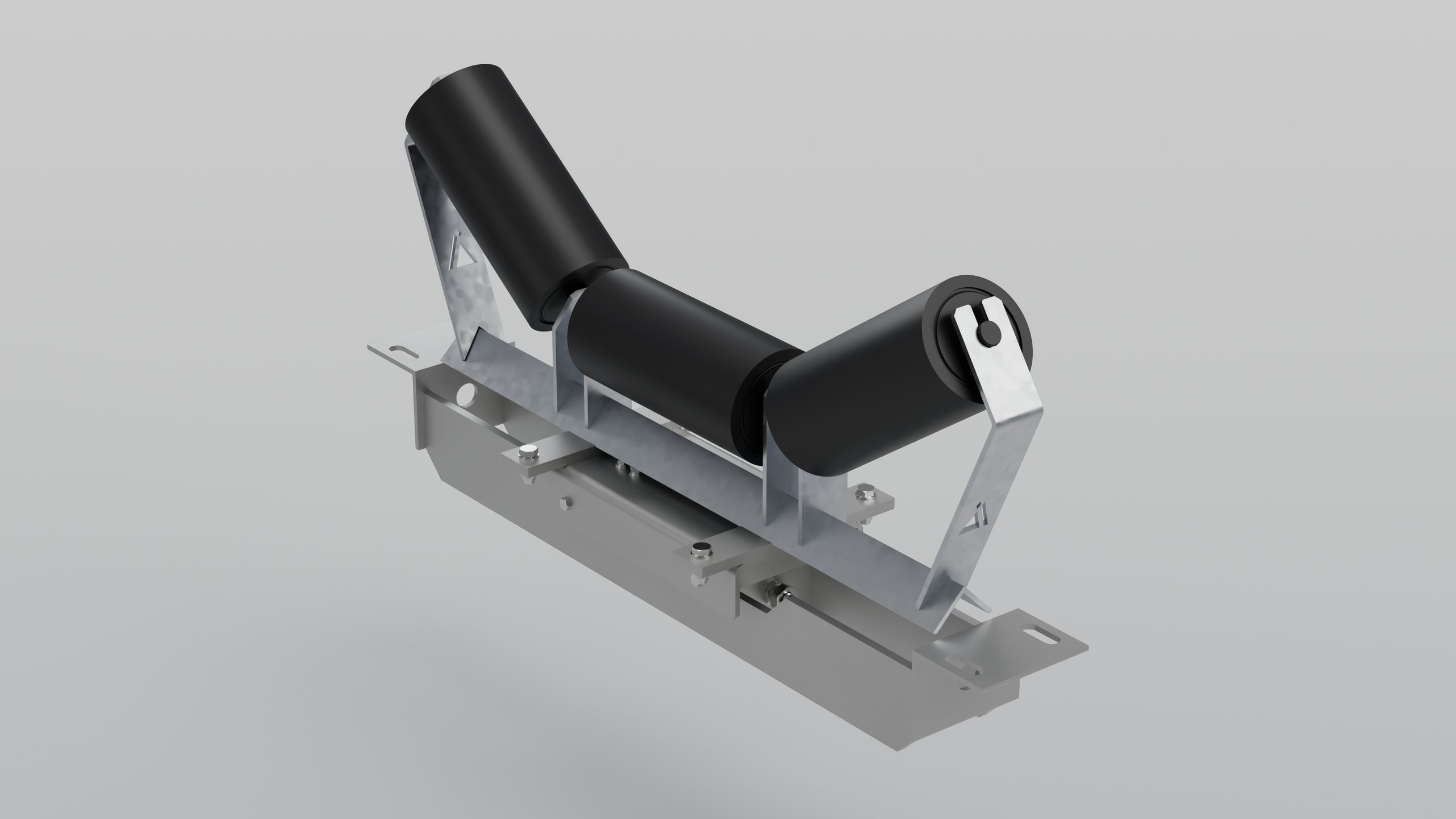
Precision belt weighers, two load cell (PBW2)
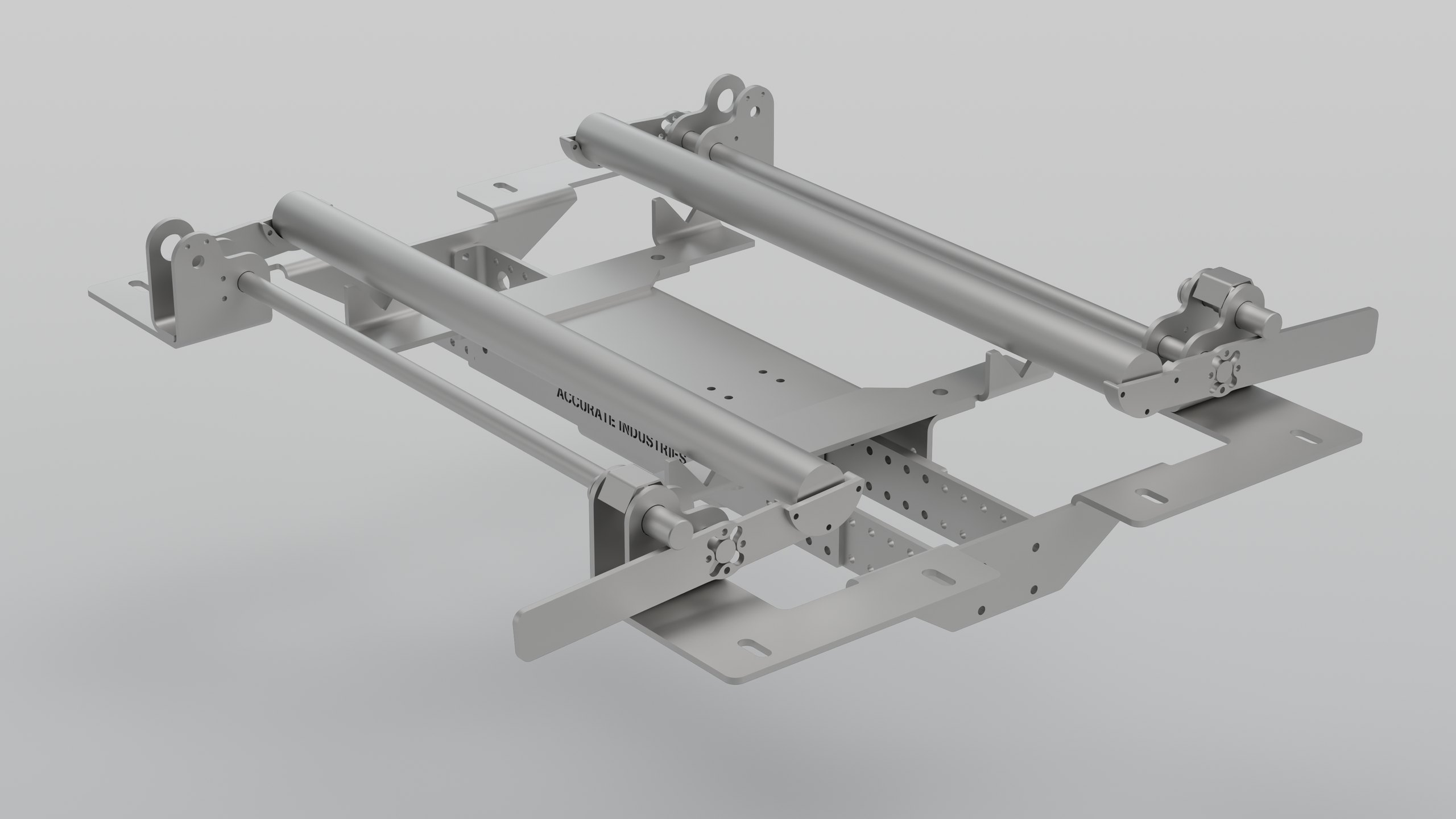
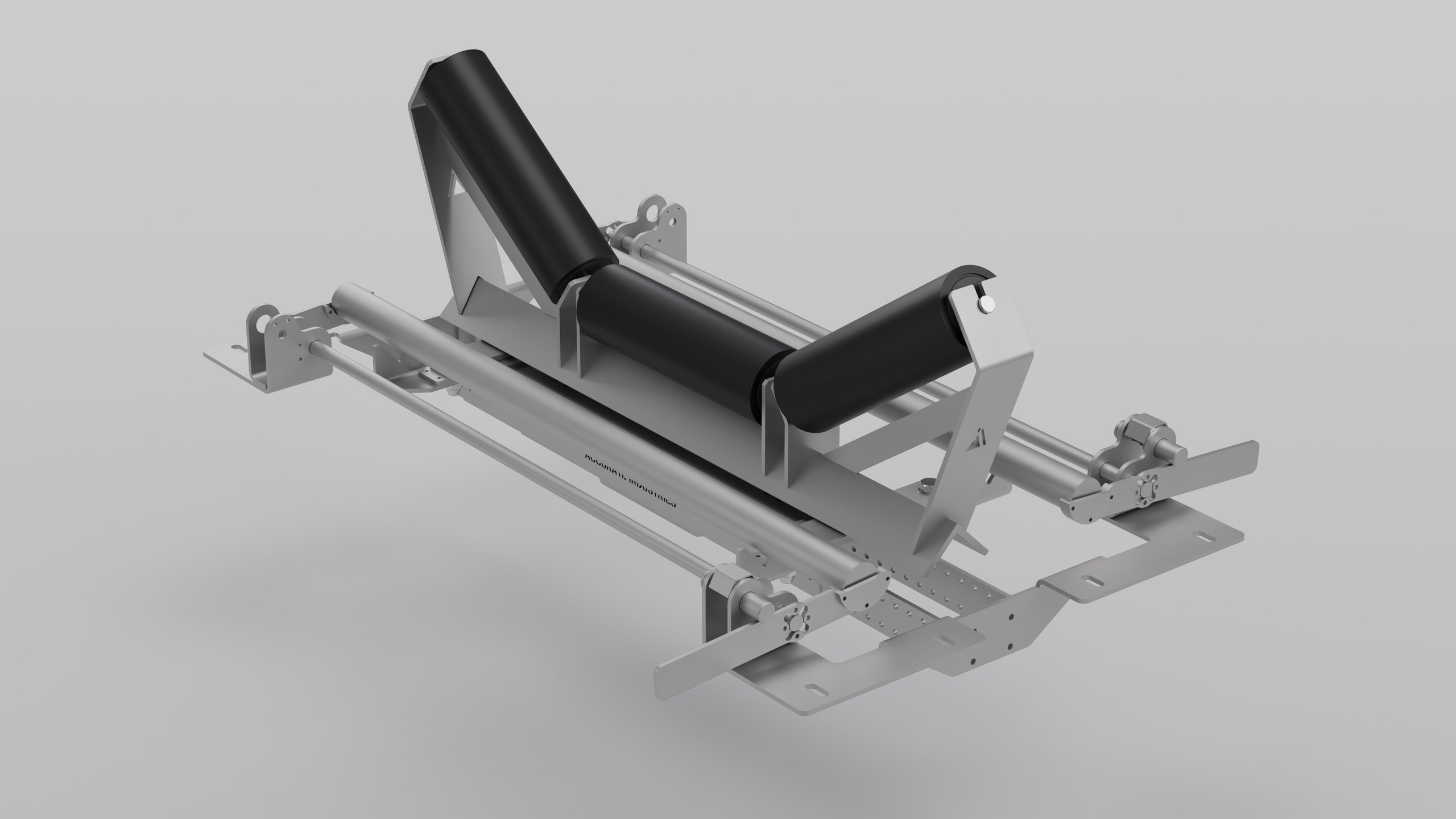
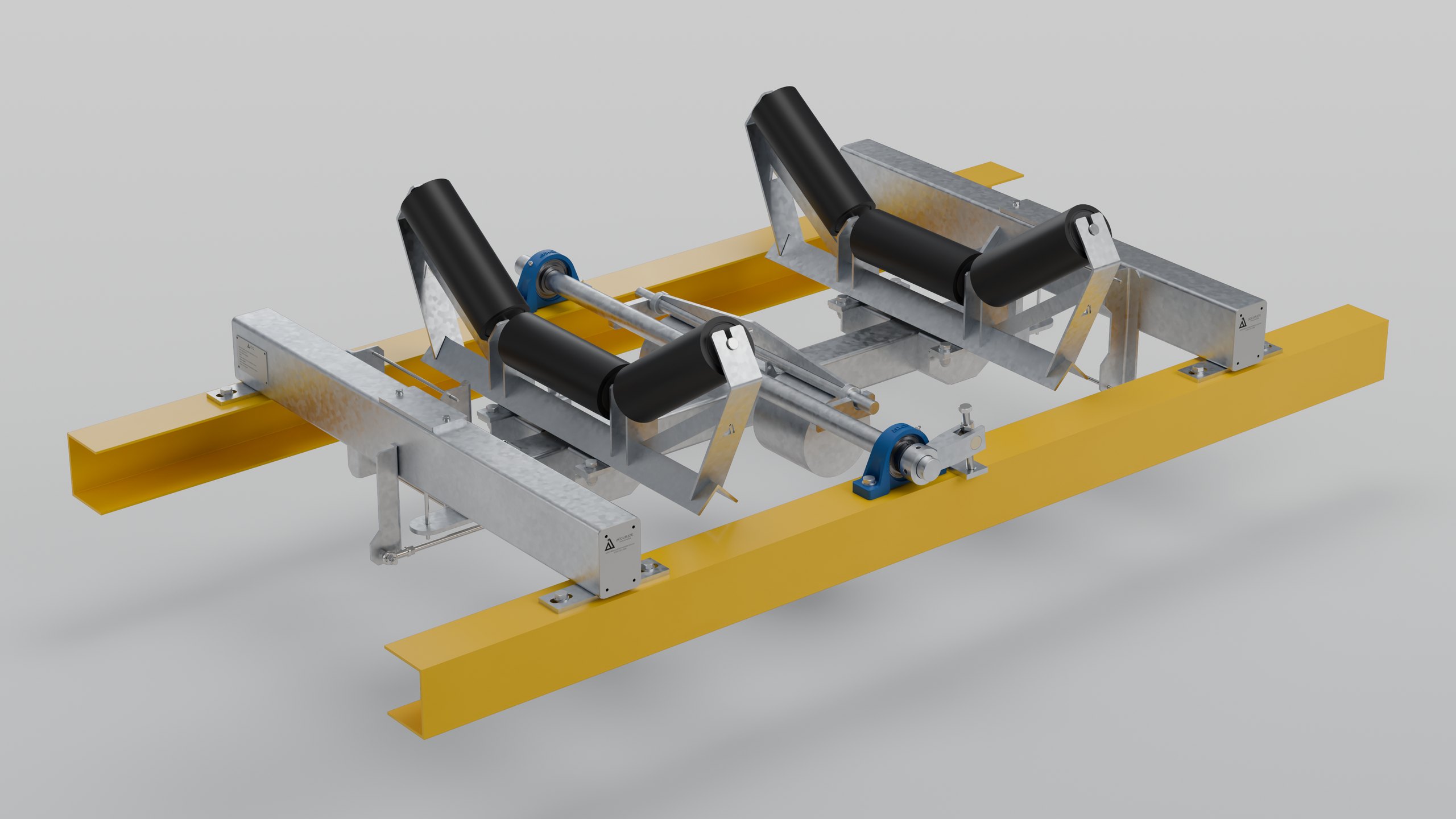
The PBW2 series carries the weigh idlers on a centrally floating weigh frame with two stainless steel S-type load cells (OIML R60 C3, IP67), rated for belt speeds up to 6.0 m/s, for belts from 750 to 2,000 mm with idler spacing from 500 to 1,500 mm, in hot-dip galvanised mild steel or bead-blasted stainless. The PBW2-1 has a single weigh idler and holds ±0.50% up to 1.5 m/s; the PBW2-2 has two weigh idlers, a longer weigh span, and holds ±0.50% up to 3.0 m/s. Both take stored-in-place calibration weights and bolt to the conveyor through support beams with base plates.
Precision belt weighers, four load cell (PBW4)
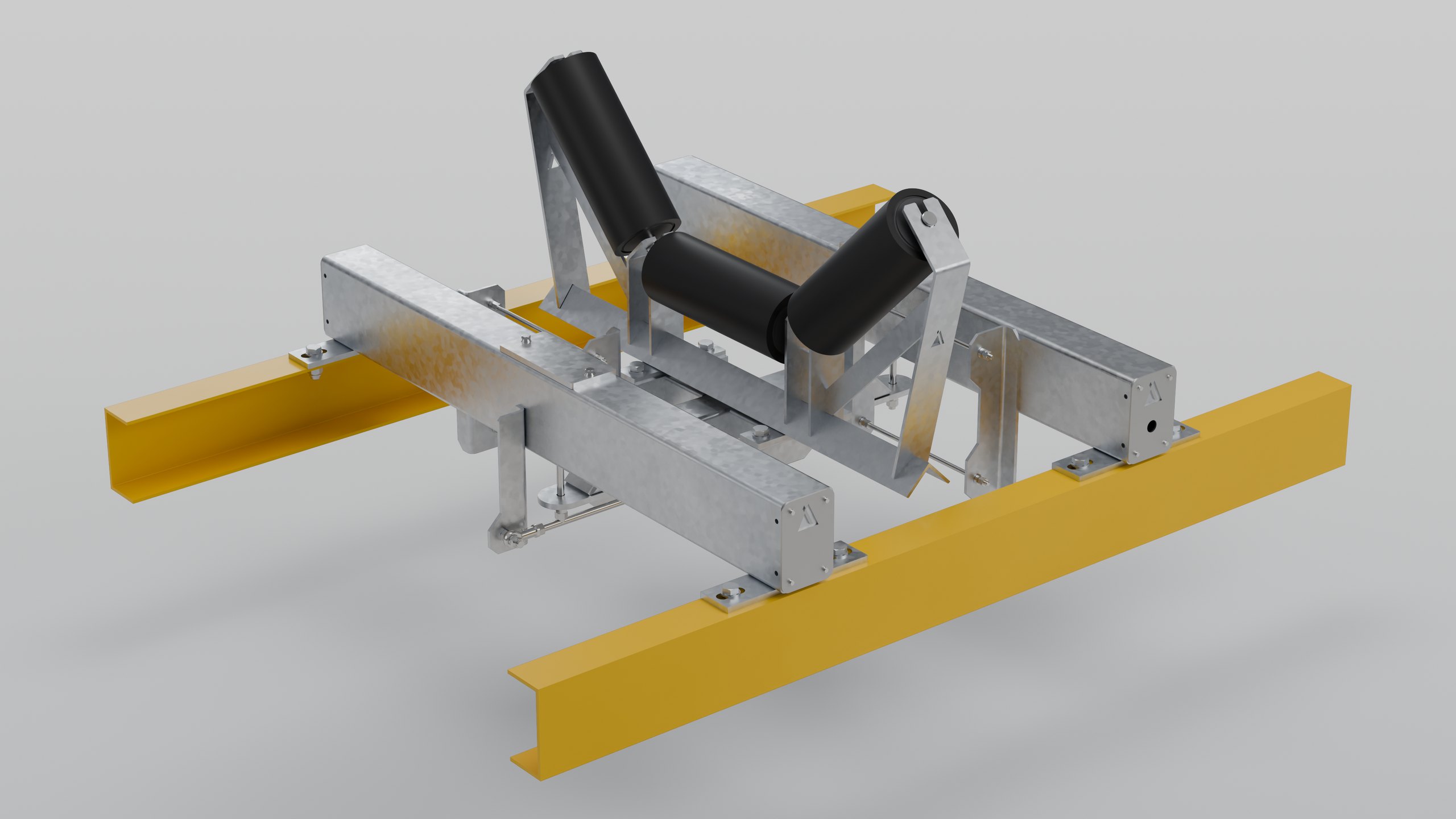
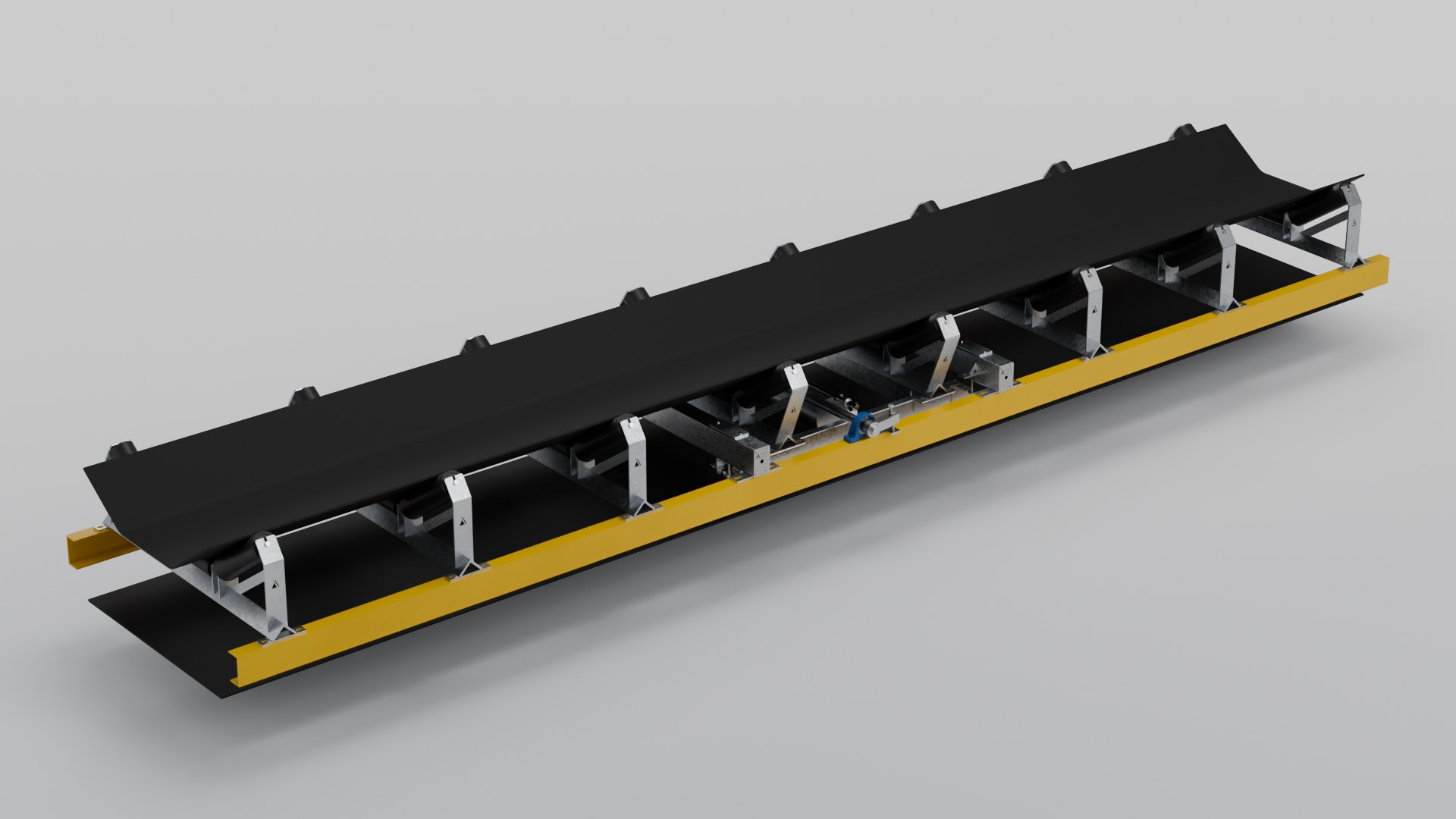
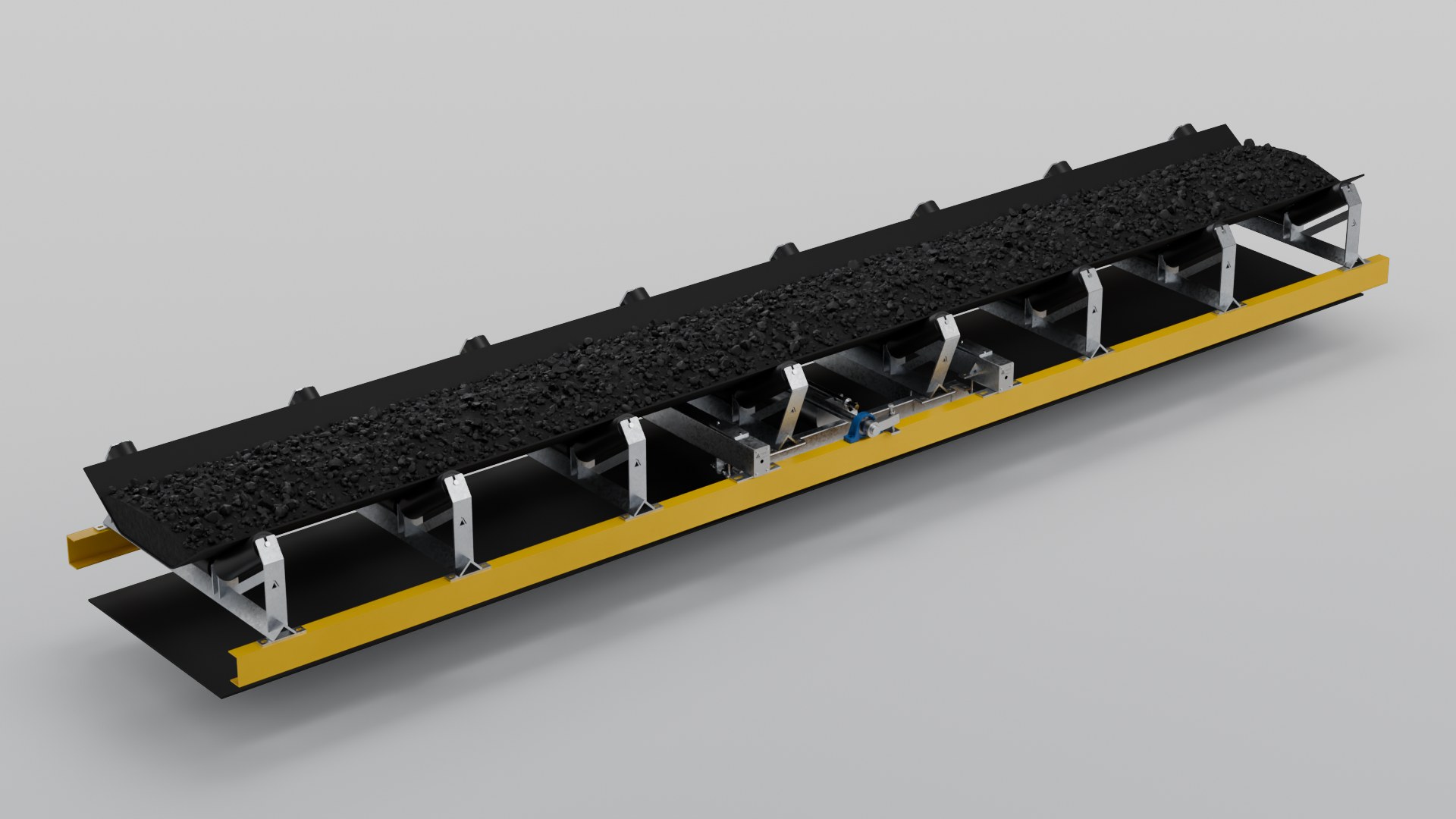
The PBW4 series puts four load cells under a fully floating weigh frame with one to four weigh idlers, for the highest accuracy classes in the range, with accuracies down to ±0.125%. The more weigh idlers, the longer the weigh span and the faster the belt can run while holding the class: the PBW4-1 is rated to 3.5 m/s, the PBW4-2 to 5.0 m/s, the PBW4-3 to 6.0 m/s and the PBW4-4 to 8.0 m/s. Galvanised mild steel or stainless, with stored-in-place calibration weights available.
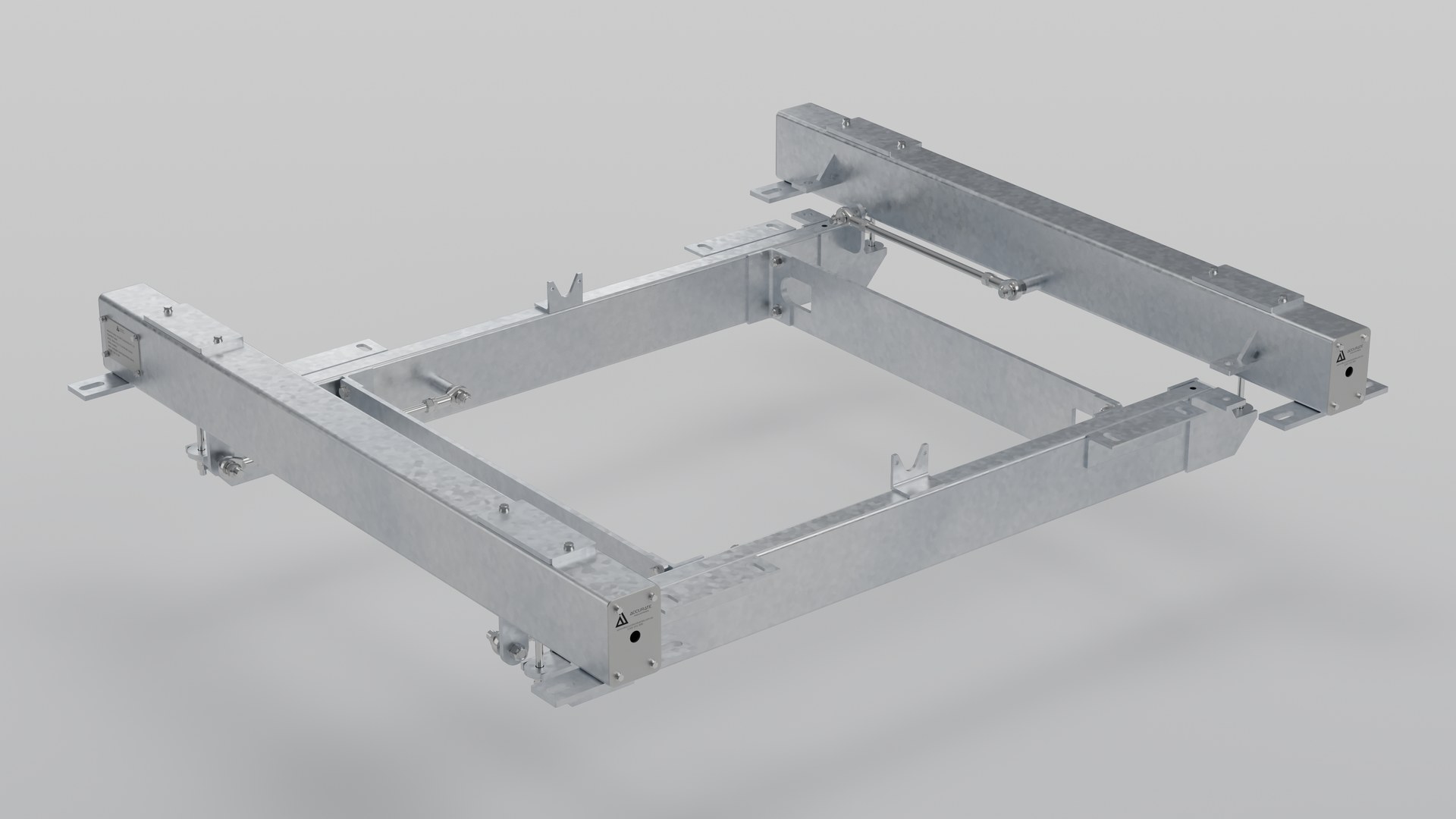
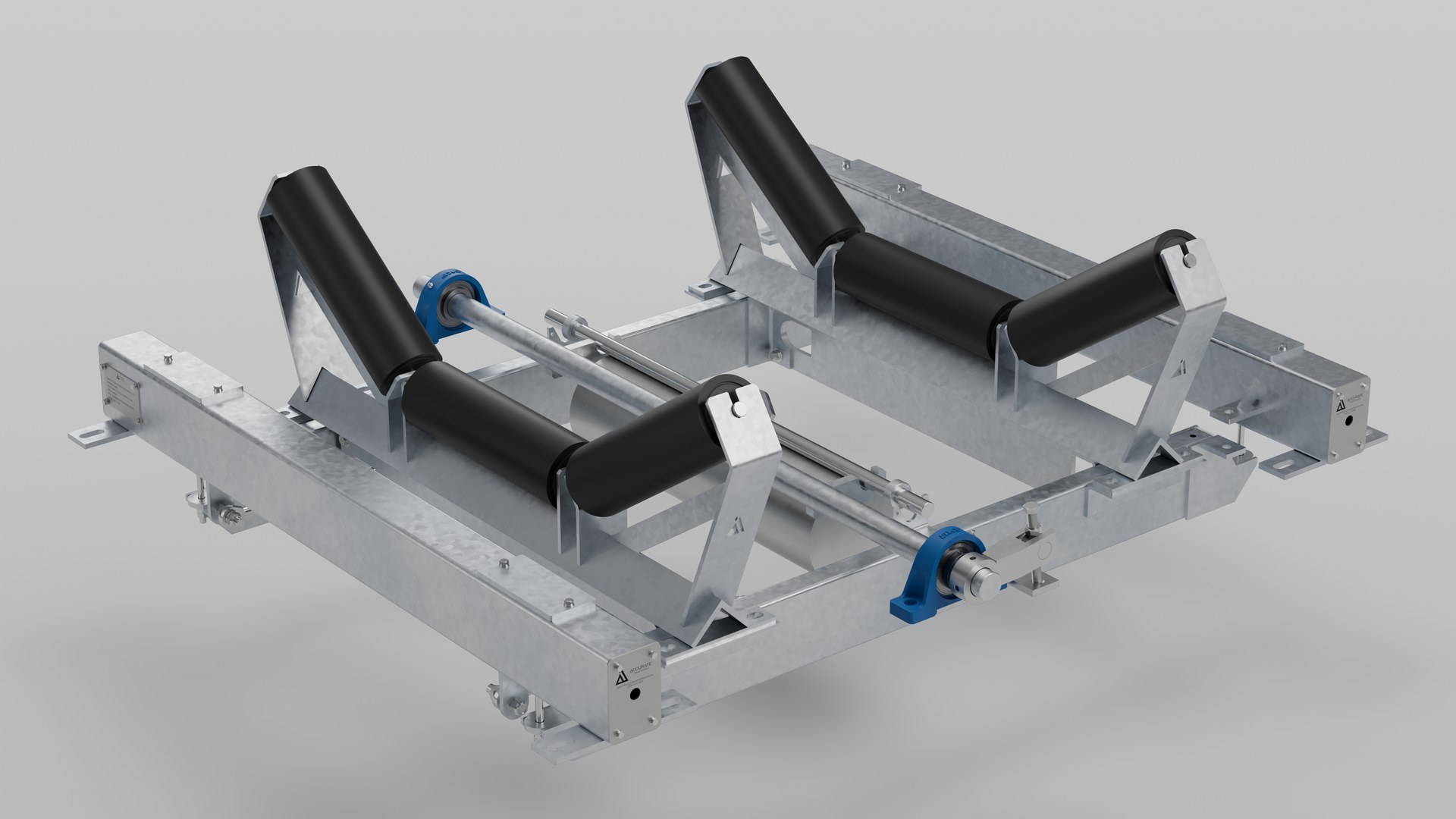
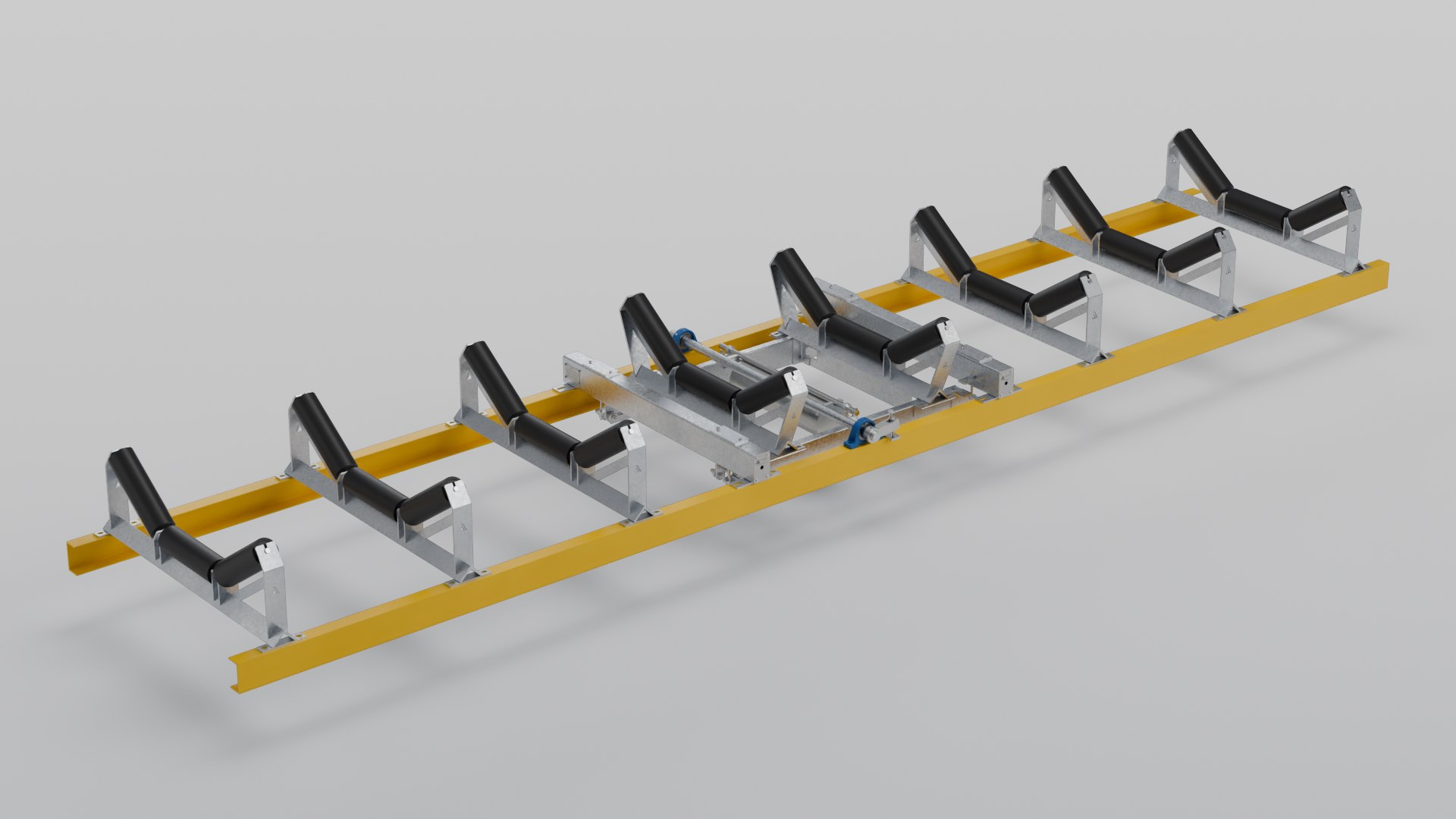
Here is how a PBW4-2 goes together on site, from the bare frame to a running belt.
| Frame | Load cells | Weigh idlers | Accuracy (of actual weight) | Rated belt speed |
|---|---|---|---|---|
| CBW1-1 / CBW1-1 Multiwidth | 1 | 1 | ±0.50% at belt speeds up to 2.0 m/s | 3.5 m/s |
| CBW2-1 | 2 | 1 | ±0.50% at belt speeds up to 2.0 m/s | 3.5 m/s |
| PBW2-1 | 2 | 1 | ±0.50% at belt speeds up to 1.5 m/s | 6.0 m/s |
| PBW2-2 | 2 | 2 | ±0.50% at belt speeds up to 3.0 m/s | 6.0 m/s |
| PBW4-1 | 4 | 1 | ±0.25% at belt speeds up to 1.0 m/s | 3.5 m/s |
| PBW4-2 | 4 | 2 | ±0.25% at belt speeds up to 2.0 m/s | 5.0 m/s |
| PBW4-3 | 4 | 3 | ±0.20% at belt speeds up to 3.0 m/s | 6.0 m/s |
| PBW4-4 | 4 | 4 | ±0.125% at belt speeds up to 4.0 m/s | 8.0 m/s |
Not sure which frame suits your conveyor? Our types of belt weighers guide explains single, dual and multi-idler scales, and choosing a belt weigher covers what actually drives the price and the accuracy.
Weigh-quality idlers and rollers
A belt weigher is only as good as the idlers on and around it. We make weigh-quality idler frames and supply weigh-quality rollers to match, and every complete system we quote includes the weigh idlers and the off-scale idlers either side of the scale, so the belt runs true through the weigh area. See weigh-quality rollers and idlers.
Load cells
The load cell is the transducer that turns the load on the weigh idlers into an electrical signal for the integrator. Two of our own cells cover most of the range, and we also stock replacement load cells for other makes of belt weigher.
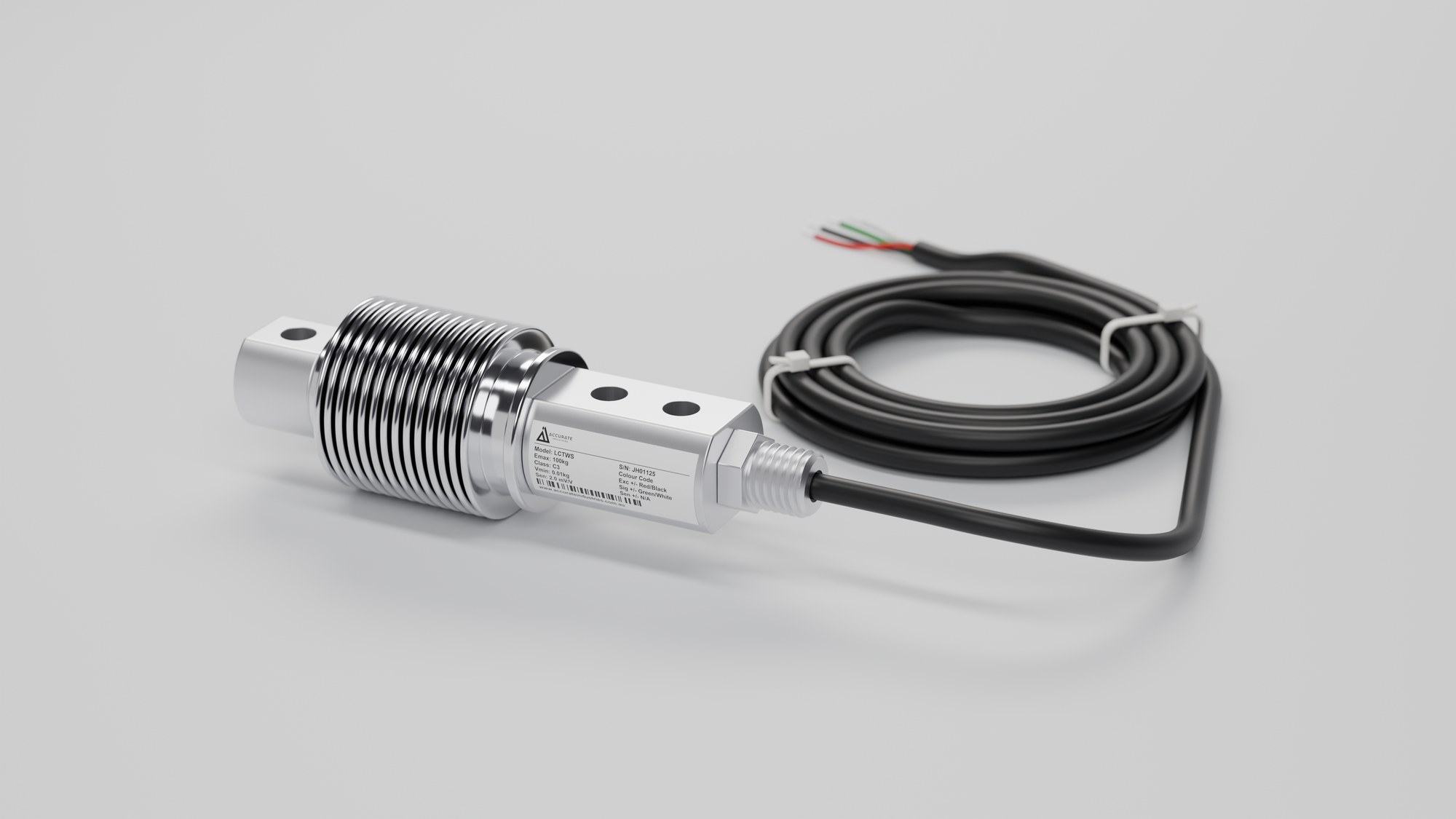
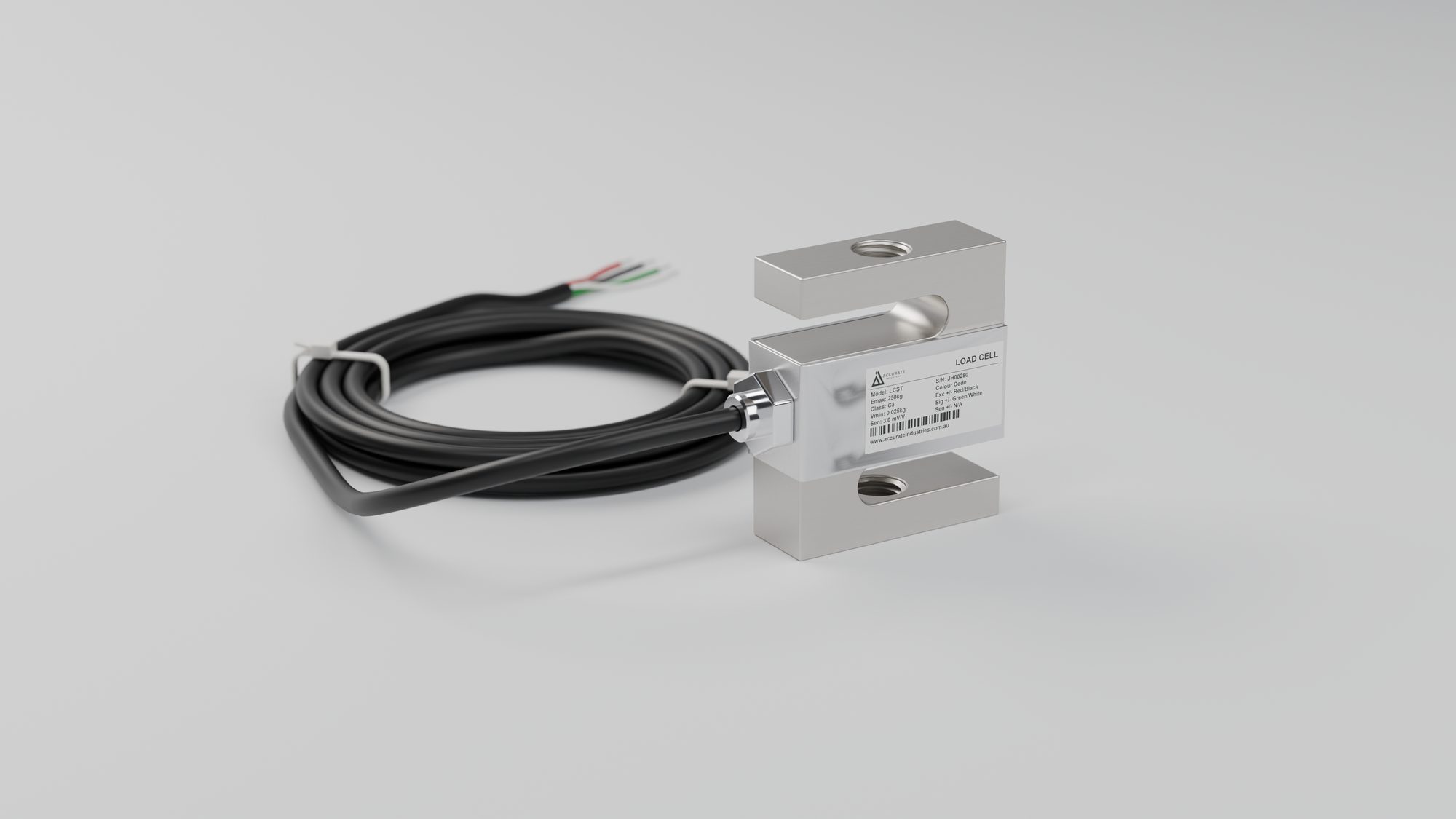
For how load cells work, the difference between four- and six-wire connections, and how they fail, see belt weigher load cells: types, checks and how they fail, or the load cells product page.
Speed sensors
The integrator needs belt travel as well as load, and a bad speed signal shows up as totals that drift with belt speed. We make our own speed sensors in the three arrangements used on Australian conveyors.
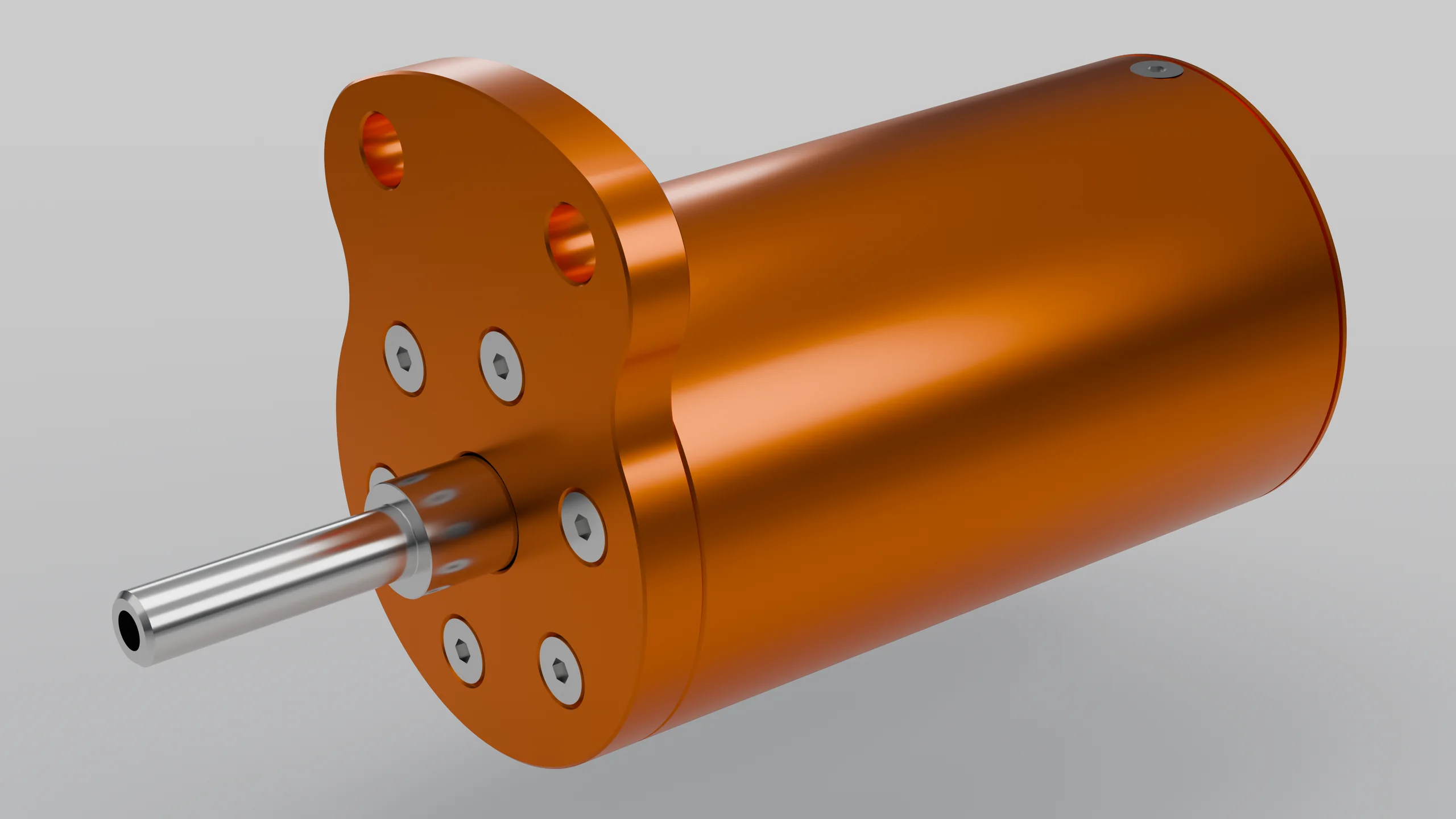
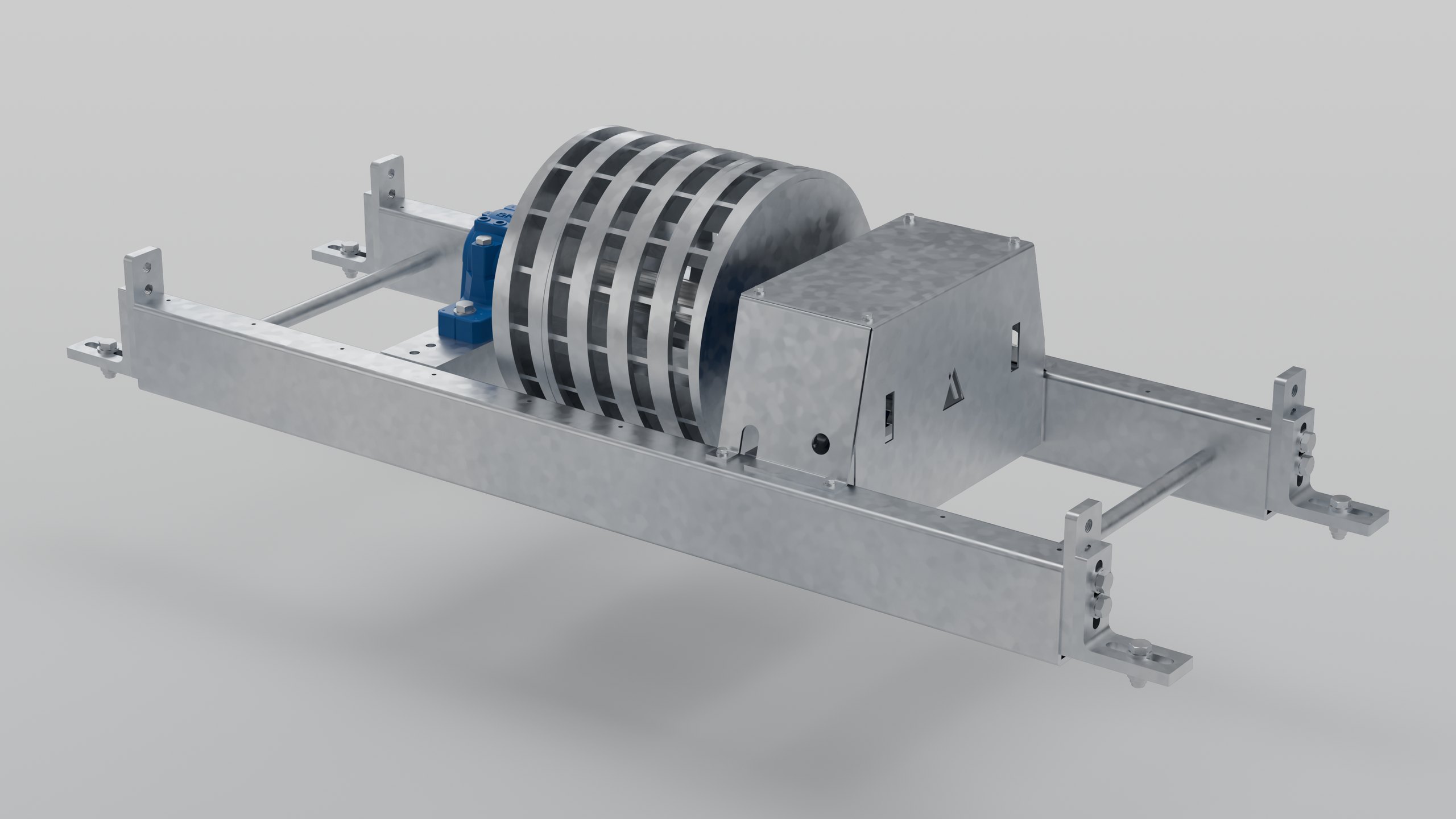
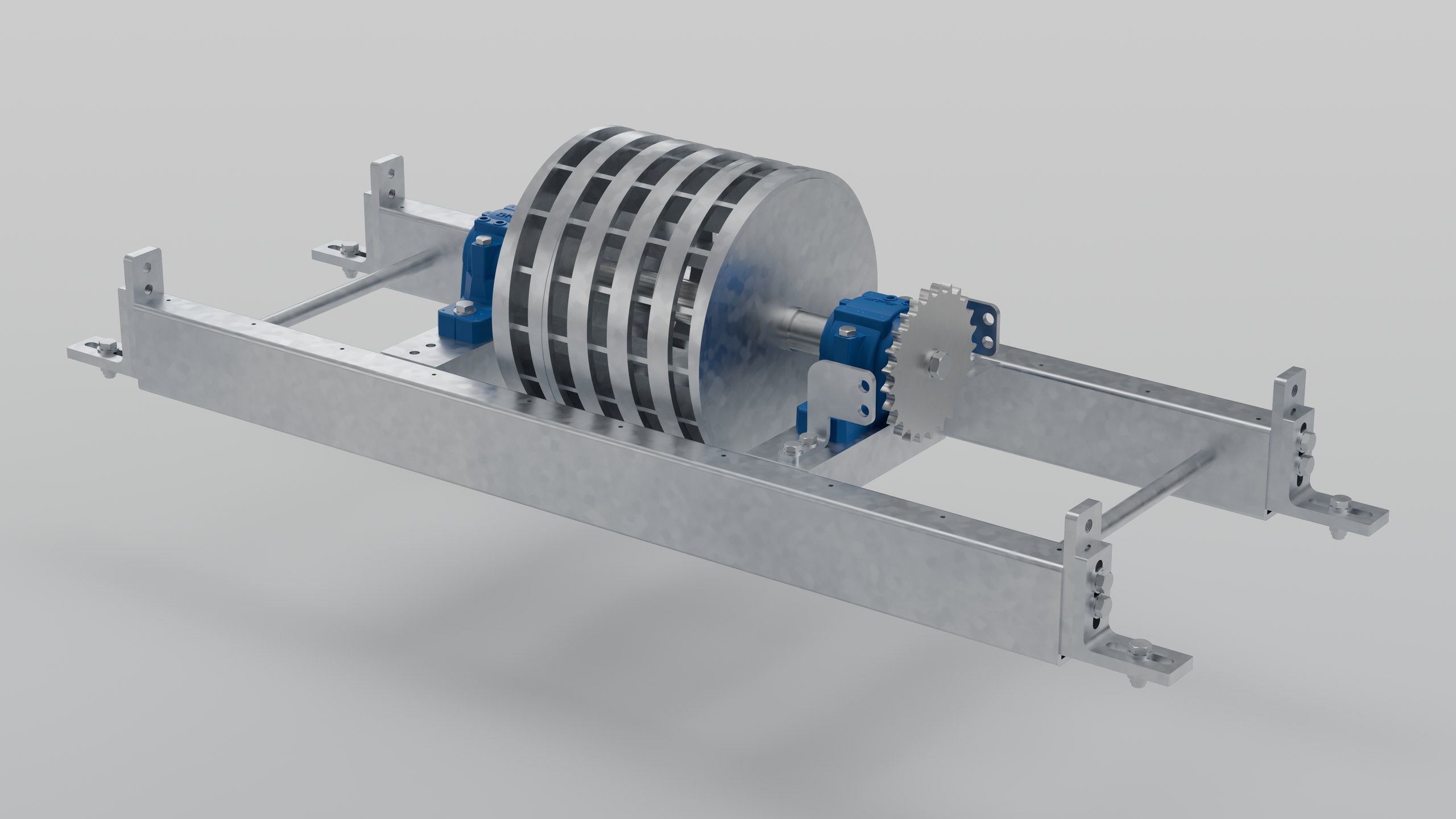
The spiral cage suits belt widths from 600 to 2,400 mm and speeds from 0.1 to 5 m/s; the HR (hard rock) version has the sprocket drive and the SR V2.0 is the soft-rock version. The USR is the sensor behind our trailing arm and drum mounted arrangements. The USR also has multiple outputs, so one sensor can feed more than one device: two belt weighers on the same conveyor can share it, or it can supply the belt weigher speed input and the conveyor underspeed monitor at the same time. For the six sensor types, NPN and PNP outputs and how to troubleshoot no-signal faults, see which speed sensor does a belt weigher use.
Integrators
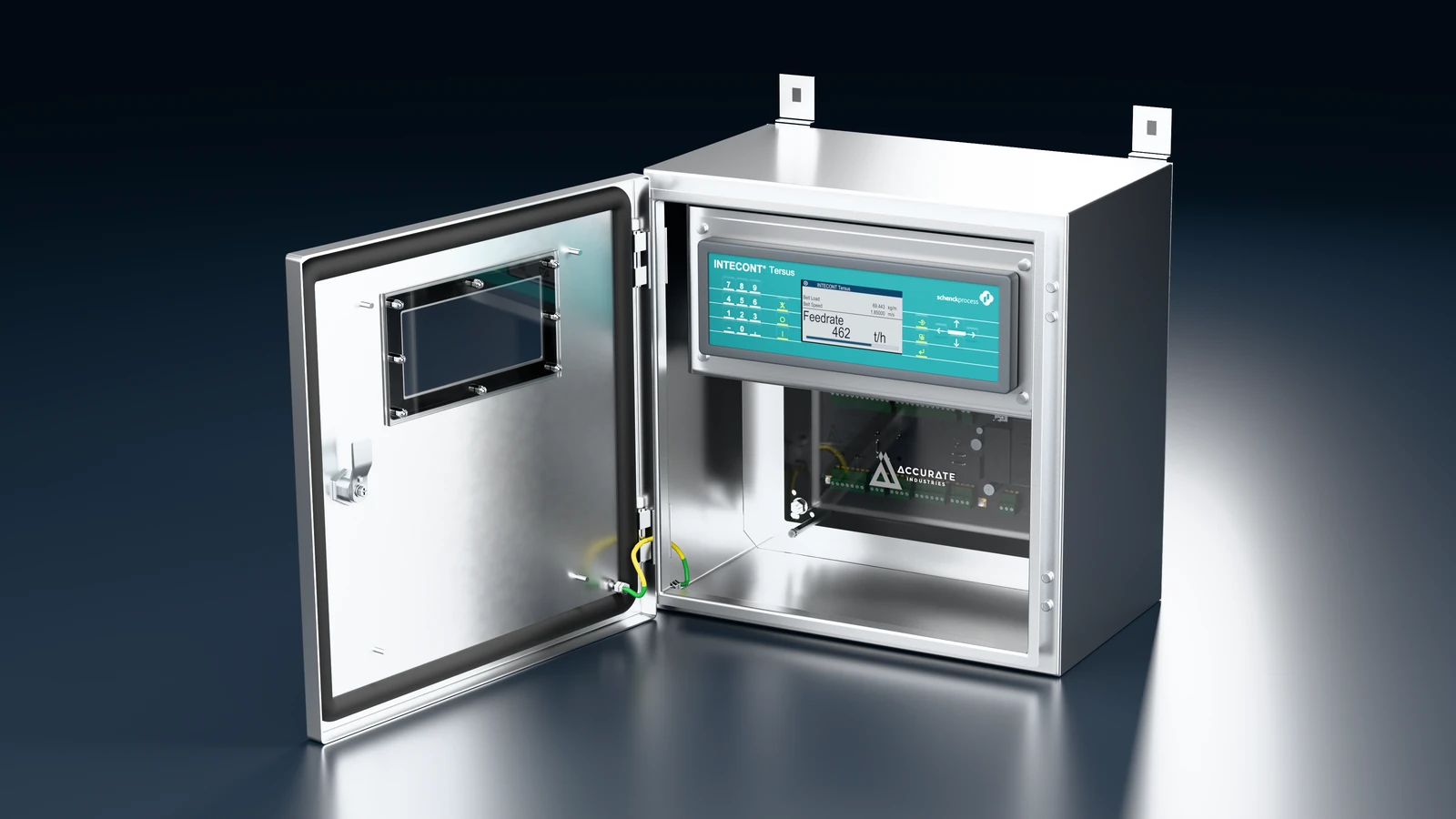
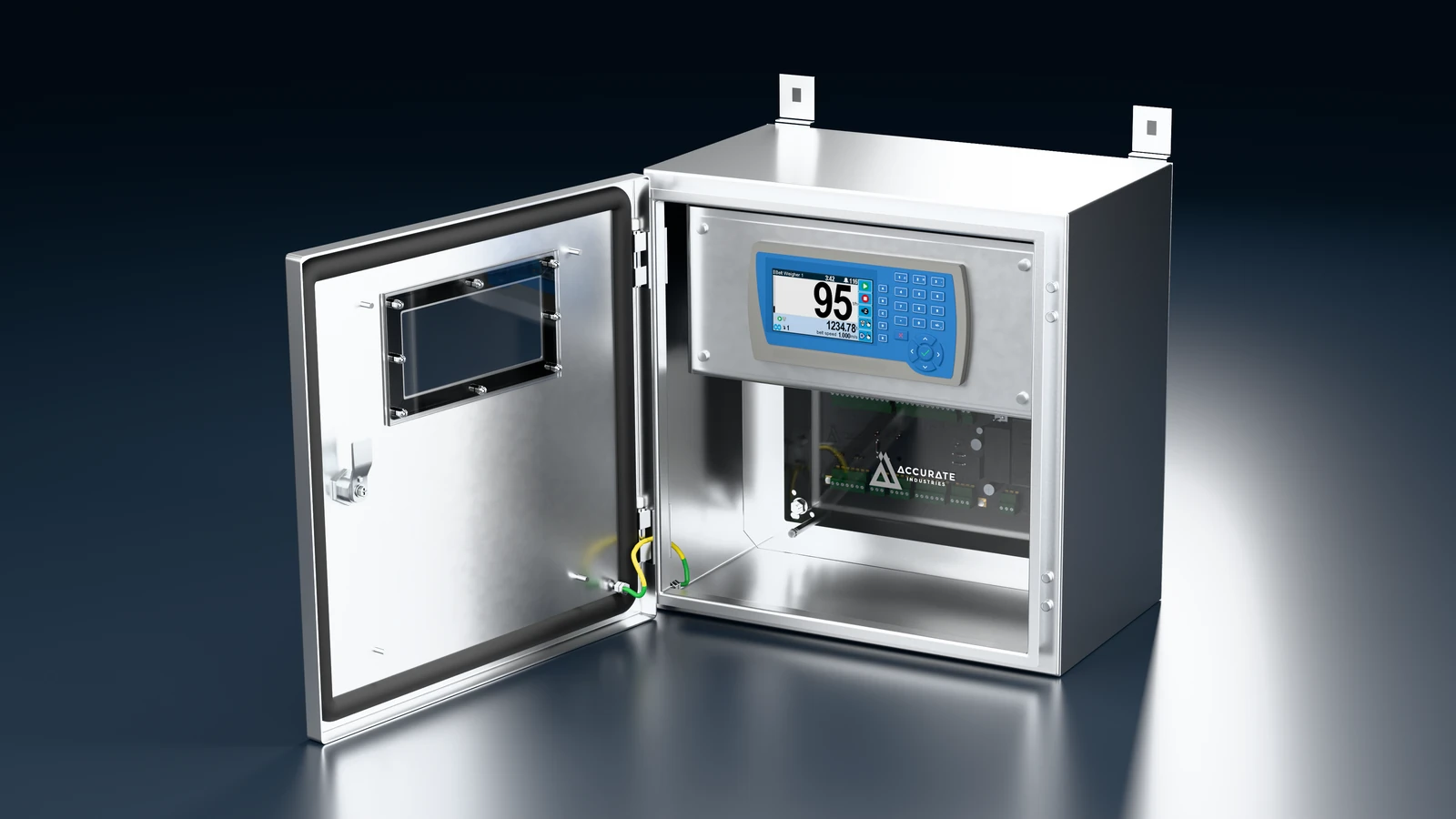
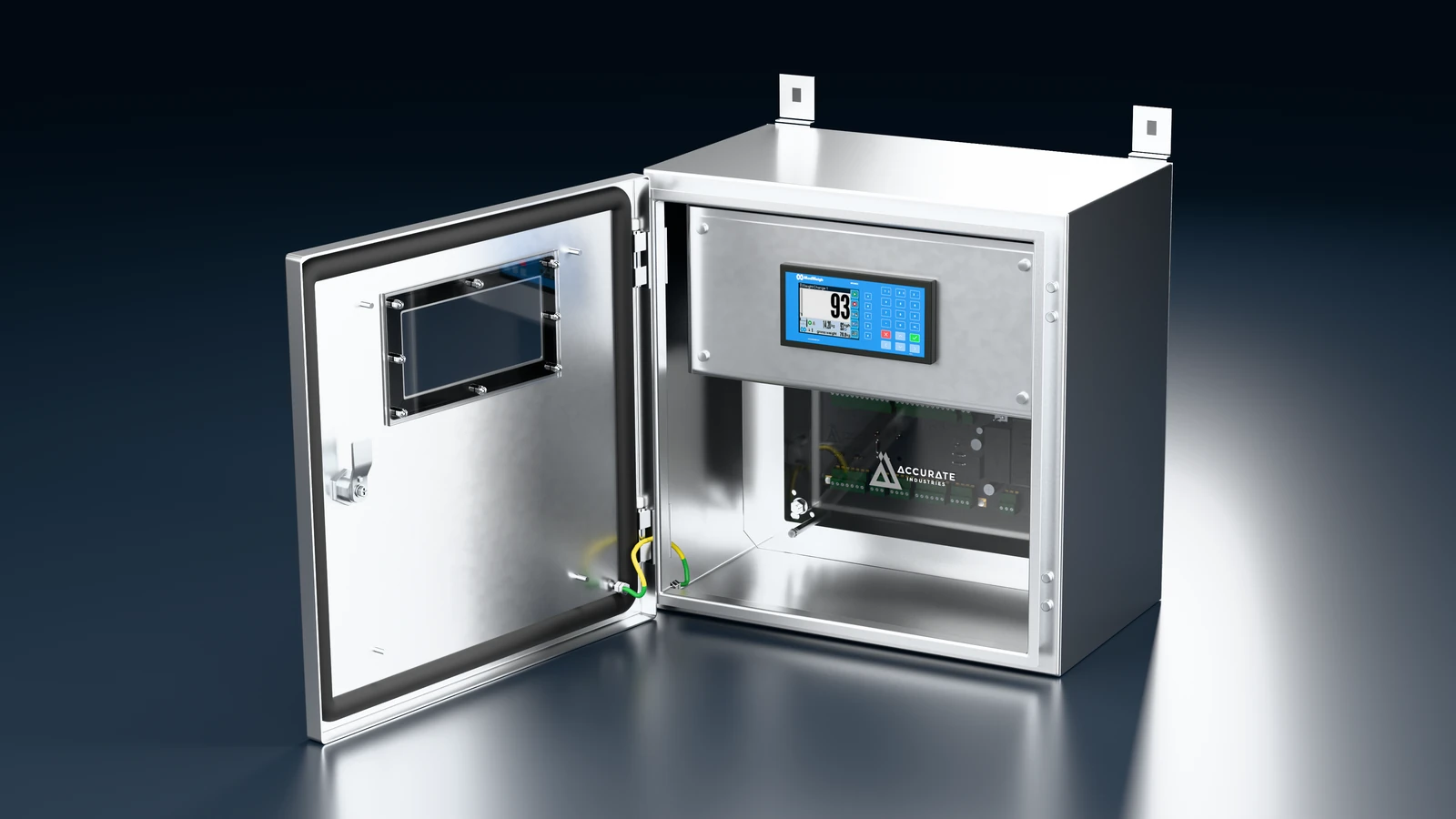
We do not build our own integrator. We supply and commission the EMC ModWeigh MP1 and MP2 and the Schenck Process INTECONT Tersus as an authorised agent for both, and we match the integrator, communications and enclosure to the installation. The frames in the range are supplied with either. If you are choosing one, start with five questions to ask before you buy a belt weigher integrator.
We supply each integrator stand-alone, built into our 316 stainless steel enclosure, or in another enclosure to suit the site. Every installation is different, so we work out the mounting, communications and enclosure with you before we quote.
Our interface and switching PCBs
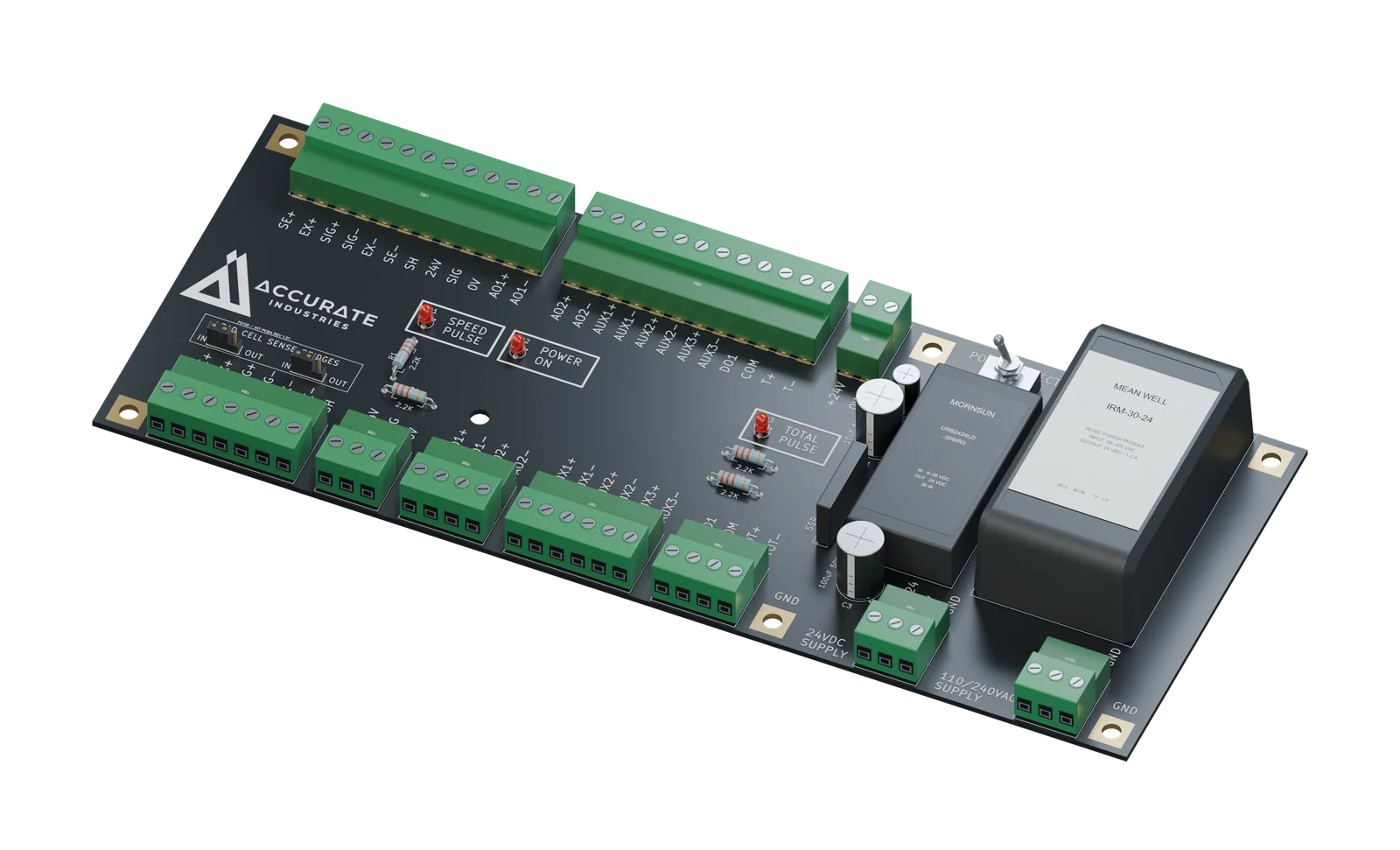
When we supply a complete integrator kit in an enclosure, our integrator interface PCB is included. It brings labelled pull-out terminals, power connections and speed and totaliser pulse indicators together, which makes installation and servicing quicker.
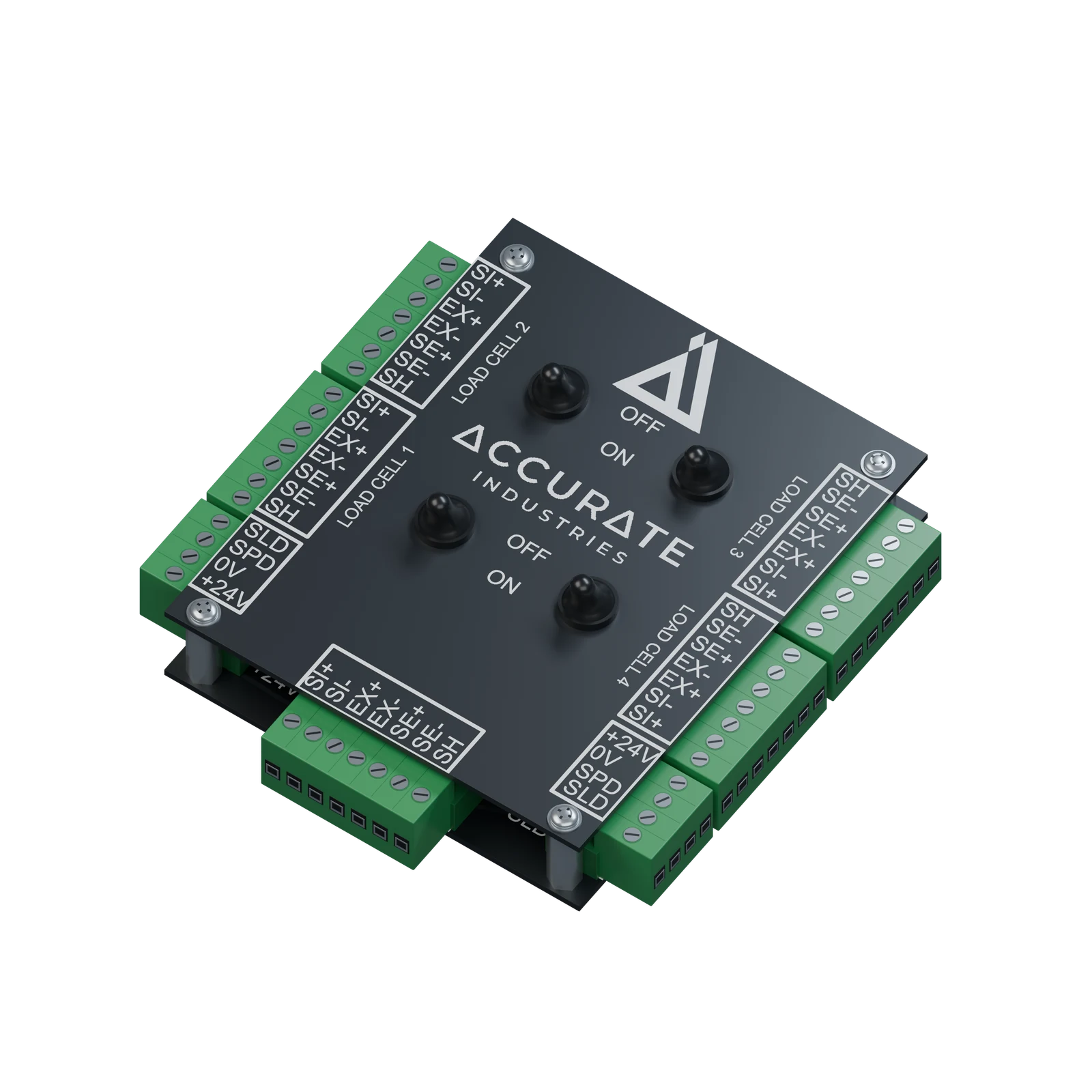
Our load cell switching PCB replaces the standard junction box. A technician can switch to each load cell in turn and read it on its own, without disconnecting anything. It suits any make of belt weigher, because it sits between the cells and the integrator.
Calibration weights, chains and billet weight arms
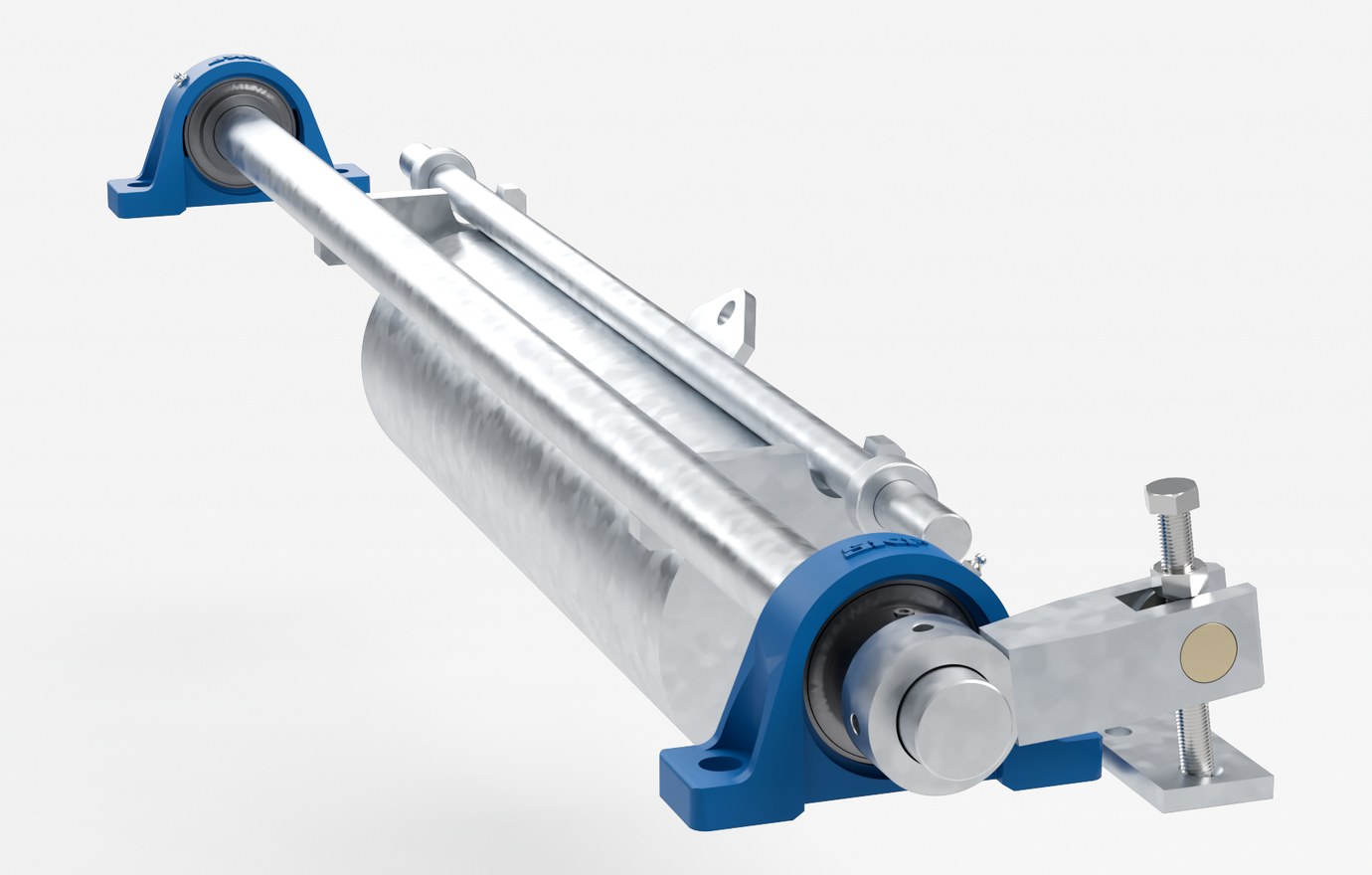
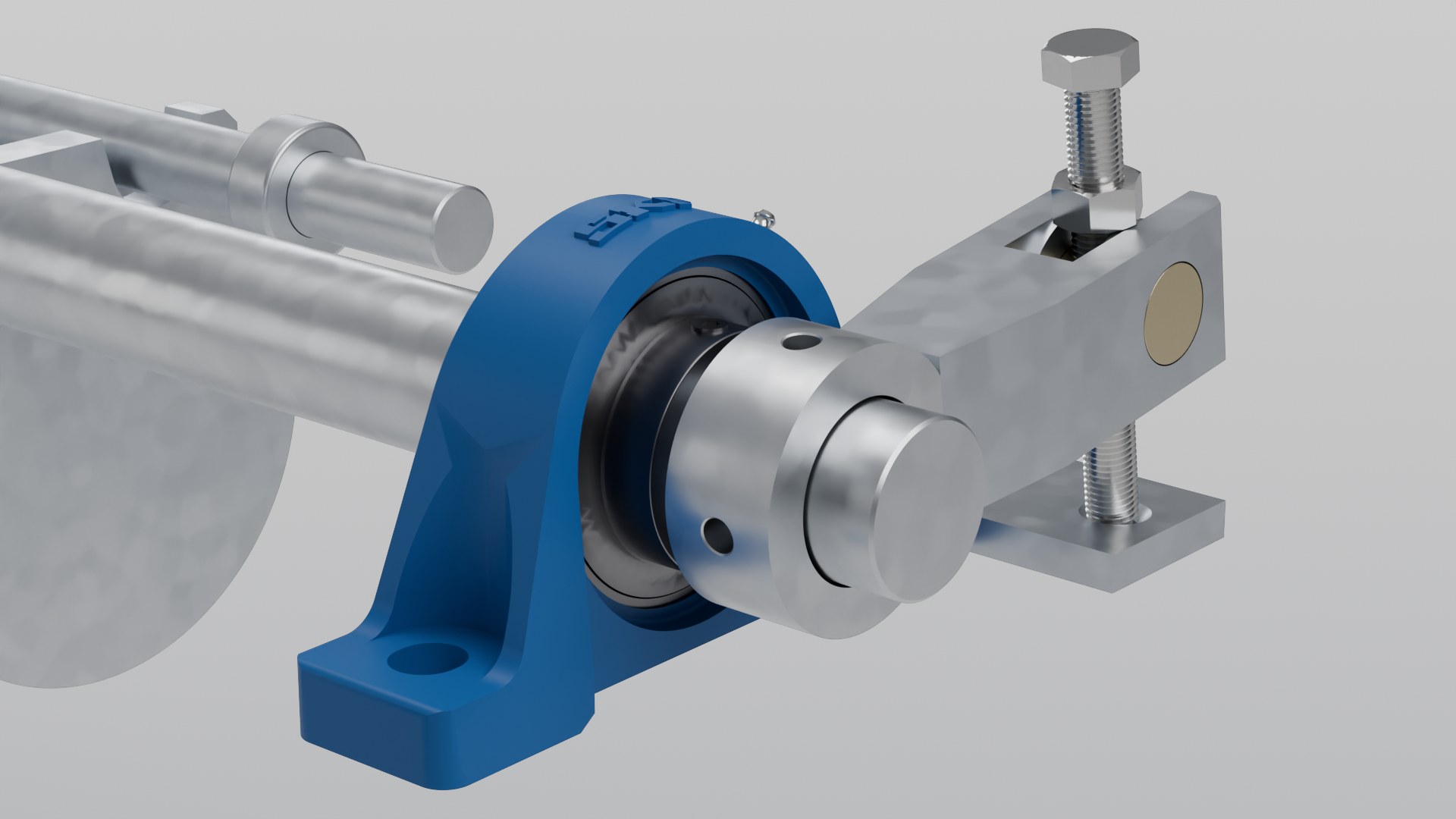
Calibration weights are quoted separately from the frame, with or without it, so the method can be matched to the site’s requirements and budget. Our standard designs cover most installations, stored-in-place on the PBW frames and CBW2-1 and lever-applied on the CBW1-1 Multiwidth, and we make custom sets when a site needs them. Billet weights suit every frame in the range and can be customised. On our screw-type billet weights the stainless screw runs through a special alloy threaded insert, the gold-coloured bush in the bracket, designed to stop the seizing that stainless-on-stainless screws are prone to on other makers’ frames. For sites that calibrate with roller chains or a billet weight arm we supply and check those too. What each method proves, and its limits, is covered in test weights, calibration chains or a material test and the gear your calibration depends on.
Keeping it accurate between service visits
Most of the drift we find on site starts small, so a bit of routine goes a long way.
- Run a zero about every two weeksRun it again after a big change in the weather, with the belt running empty.
- Check the span, but don’t accept it. A span check is a good health check. Leave span adjustments to the service visit so a bad test doesn’t get locked in.
- Book a service calibration every quarter. We adjust zero and span at each visit, and quarterly visits keep up with the changing seasons.
- Keep the weigh area clean. Build-up on the weigh idlers, or anything rubbing the frame, shows up as zero drift straight away.
- Keep the idlers aligned. We set the weigh area idlers with two string lines over each roll, to about 0.3 mm, all at the same height and usually slightly above the idlers either side. If an idler in the weigh area gets replaced, have the alignment checked.
On our service visits, a routine span result inside 0.25% is accepted. Outside that, we find out why before we adjust anything. A healthy scale repeats its span check within 0.1%.
Tramp metal detectors
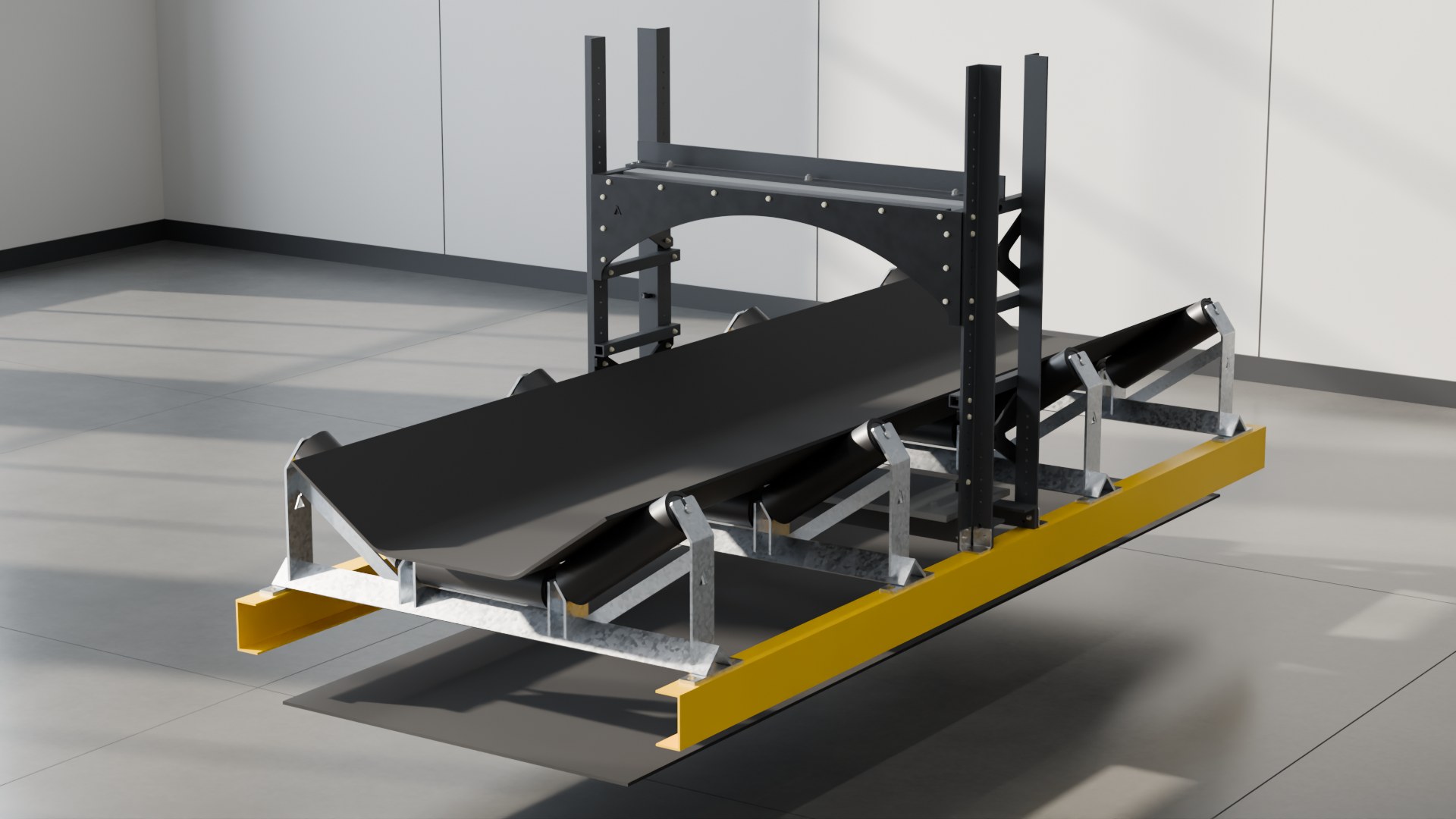
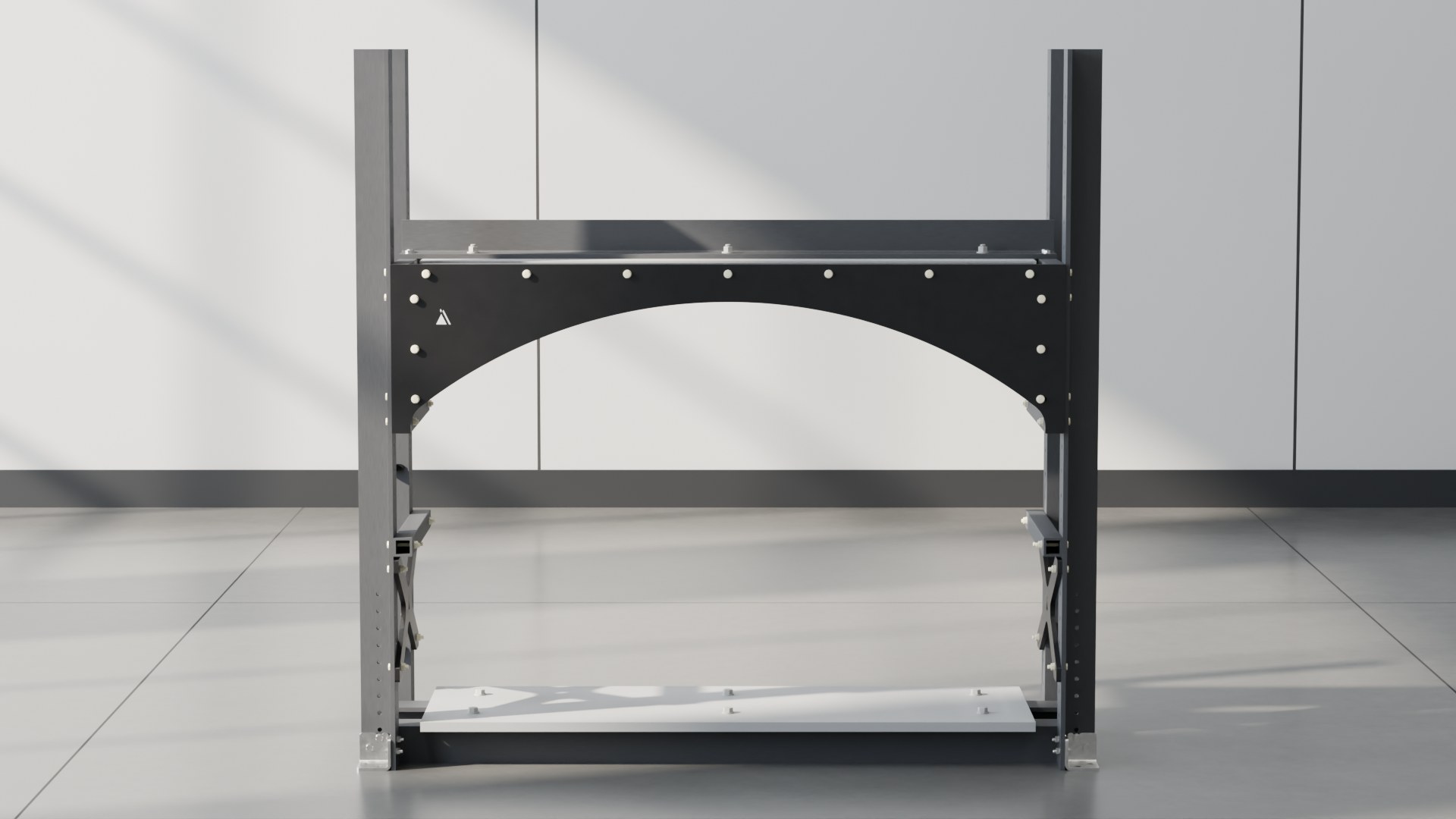
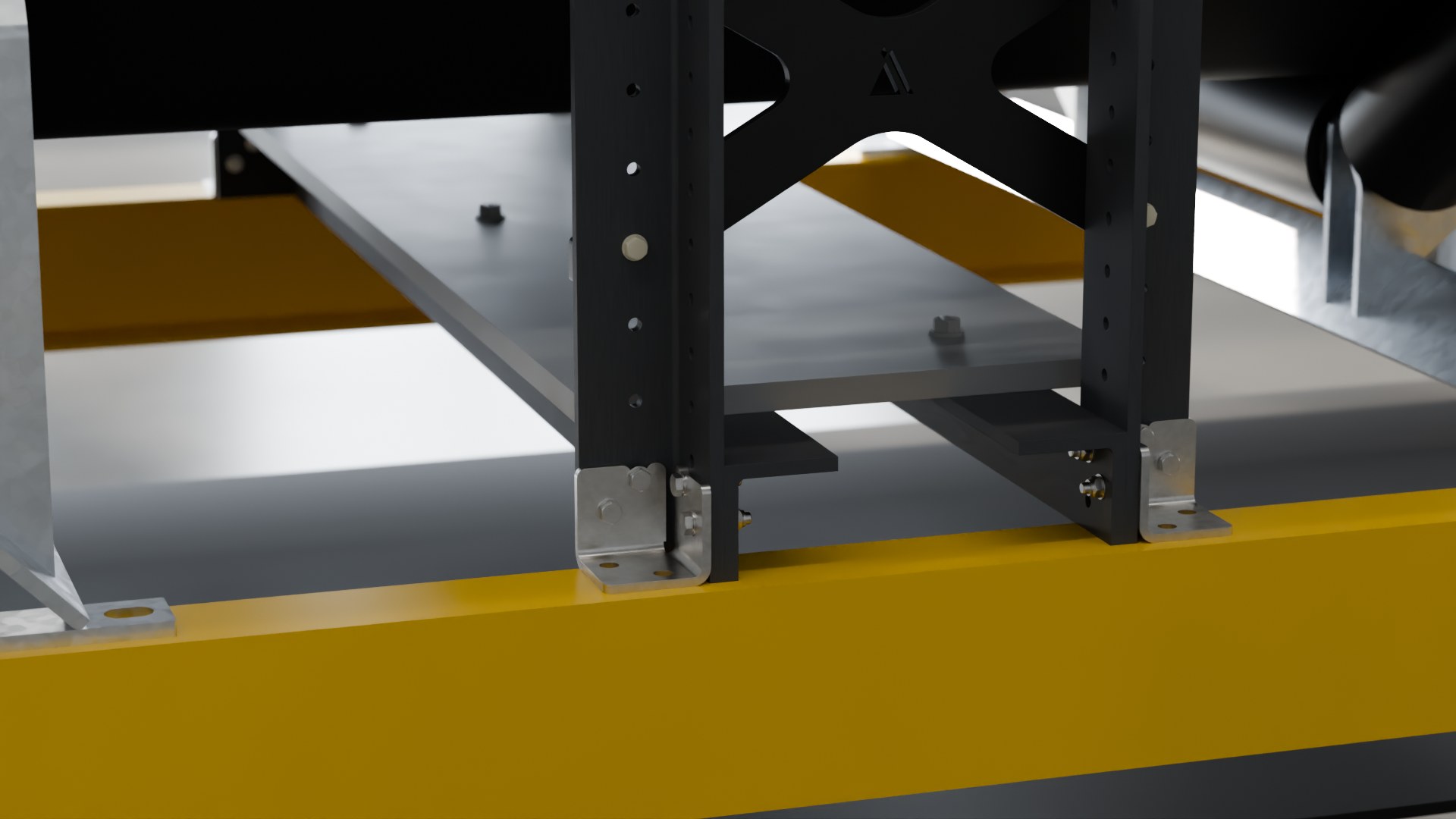
Our tramp metal detector straddles the belt on a non-metallic frame: fibre-reinforced plastic posts, coil supports and braces, HDPE cross-braces and an arched barge plate, a generator coil above the carry belt, a receiver coil between the carry and return belts, and stainless steel feet that bolt to the conveyor stringers midway between two idler frames. It bolts to the stringers of a standard conveyor. For what a detector protects and how we service them, see metal detectors on mining and quarry conveyors and the tramp metal detectors product page.
What to send for a quote or support
For a new belt weigher: belt width, belt speed, the material and its rate in t/h, the accuracy you need to hold, and photos of the conveyor around the intended weigh area (idlers, structure, access). For support on an existing Accurate Industries scale: the model on the dataplate (CBW or PBW and the frame number), the integrator model, the symptom, and photos of the frame and idlers. Unknown details are fine; we confirm the fit before we quote. Request a quote or book a visit.
Frequently asked questions
Are Accurate Industries belt weighers made in Australia?
Yes. We design our belt weighers and build them in Australia with Australian fabricators: the weigh frames, weigh-quality idlers and speed sensors are Australian designed and made, and our load cells are Accurate Industries branded, sourced from specialist manufacturers. They are installed, calibrated and serviced by our own NMI-licensed technicians.
Which frame do I need, Compact or Precision?
Belt speed decides the family first: CBW frames are rated to 3.5 m/s, PBW2 and PBW4 to 6.0 m/s and beyond. The accuracy class you need to hold at your belt speed then decides the number of weigh idlers, and the belt width sets the frame size. Send us the belt width, speed, material and rate and we will confirm the frame.
Can I replace only the weigh frame and keep my integrator?
Often, yes. Our frames are supplied with the EMC ModWeigh and Schenck INTECONT Tersus integrators and can be matched to other makes; we check the load cell signal, excitation and speed sensor compatibility first, then recommend whether to keep your integrator or change it; the recommendation is based on what we find, not a default either way.
Do you supply replacement load cells and speed sensors for other brands?
Yes. We stock and test replacement load cells and speed sensors to suit most makes of belt weigher, and match them electrically and mechanically to the frame and integrator on site.
What calibration weights come with the frame?
None are bundled. We quote calibration weights separately, with or without the frame, so you get the method that suits your requirements and budget. Standard-design stored-in-place or lever-applied weights suit most frames, billet weights fit every frame and can be customised, and roller calibration chains and billet weight arms are available for sites that prefer them.
Can you supply the integrator already built into an enclosure?
Yes. We supply EMC ModWeigh and Schenck INTECONT Tersus integrators stand-alone, built into our 316 stainless enclosure, or in another enclosure to suit the site. We work it out with you first.
Need the manual for your equipment?
Send us the model from the dataplate and we will send the installation, operation and maintenance manual for your Accurate Industries belt weigher, speed sensor or detector.