
Products / Belt weighers
Belt weighers(weightometers & conveyor belt scales)
Complete conveyor weighing systems, belt scales and replacement components. Based in Brisbane, we supply, install and calibrate Australia-wide (and overseas when needed).
Or call 1300 101 666
Shown: PBW4-2 belt weigher weighing coal on a 1200 mm belt (3D animation, belt slowed down).
Measure material while it moves.
A belt weigher, also called a weightometer, belt scale or conveyor belt scale, measures material as it travels along a conveyor. We supply, install, calibrate and service them Australia-wide. It combines belt loading and belt speed to calculate the flow rate (t/h) and the total tonnage.
Operators use belt weighing systems to monitor production, track material movements between plant areas, reconcile stockpiles and control processes across mining, quarrying and bulk materials handling.
Complete systems and replacement components.
Accurate Industries designs its own weigh frames, weigh-quality idlers, load cells and speed sensors, Australian designed and made, and supplies every other part of the system: junction boxes, PCBs and the integrator. We are the authorised Australian agent for EMC ModWeigh and Schenck Process integrators.
New installation, upgrade or a single replacement part: we identify what suits your conveyor and operating requirements, then install, commission and calibrate to the agreed scope.
Australian designed and made · NMI-licensed technicians · Brisbane, Sydney, Rockhampton, Victoria, plus agents in Perth and the Gold Coast.
The parts of a belt weighing system
What each part does, what we supply, and where to find the specifications.
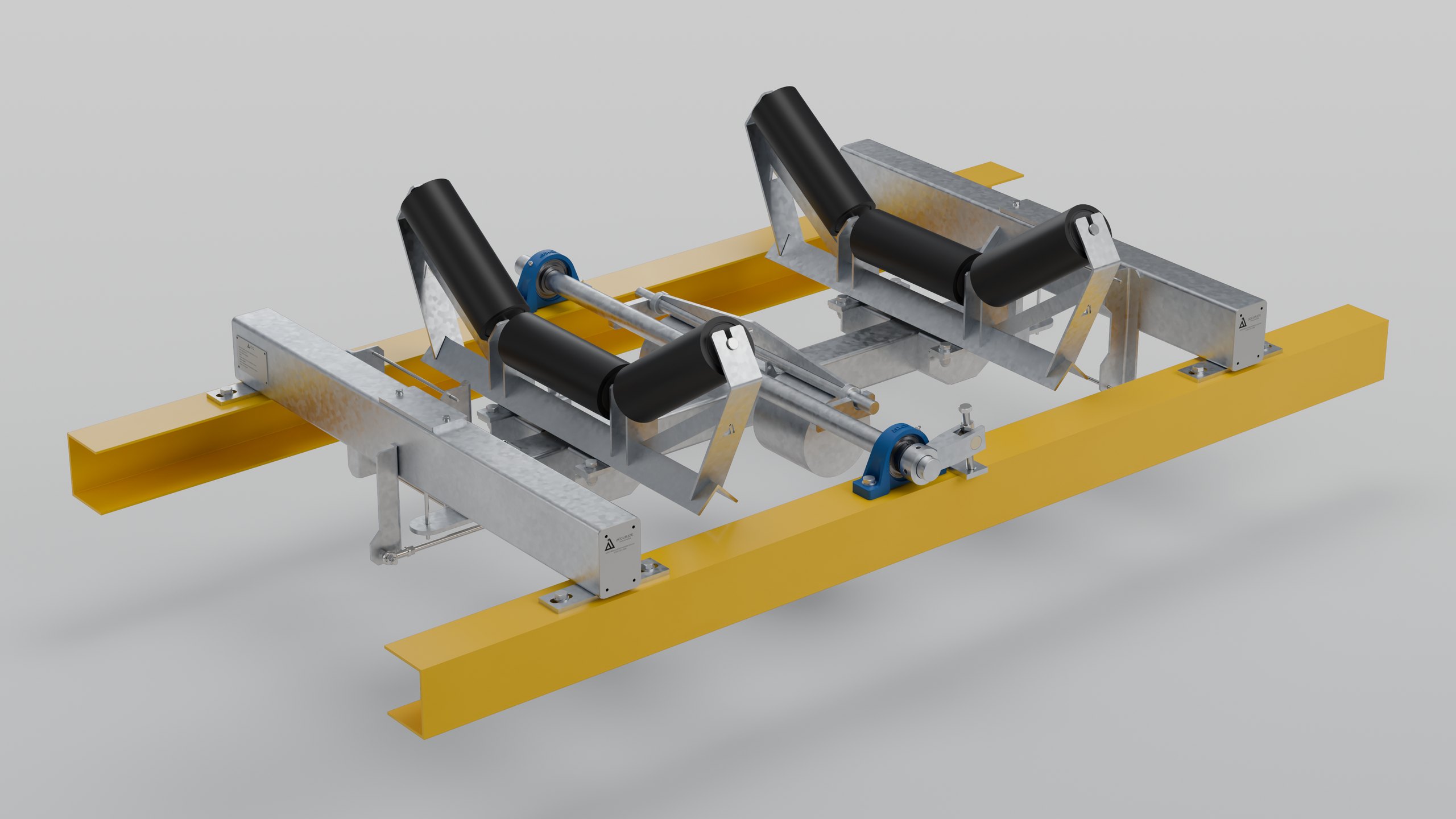
Weigh frames
The steel structure that carries the weigh idlers and transfers belt loading to the load cells. Nine frames in three families: Compact (CBW), Precision two load cell (PBW2) and Precision four load cell (PBW4), Australian designed and made.
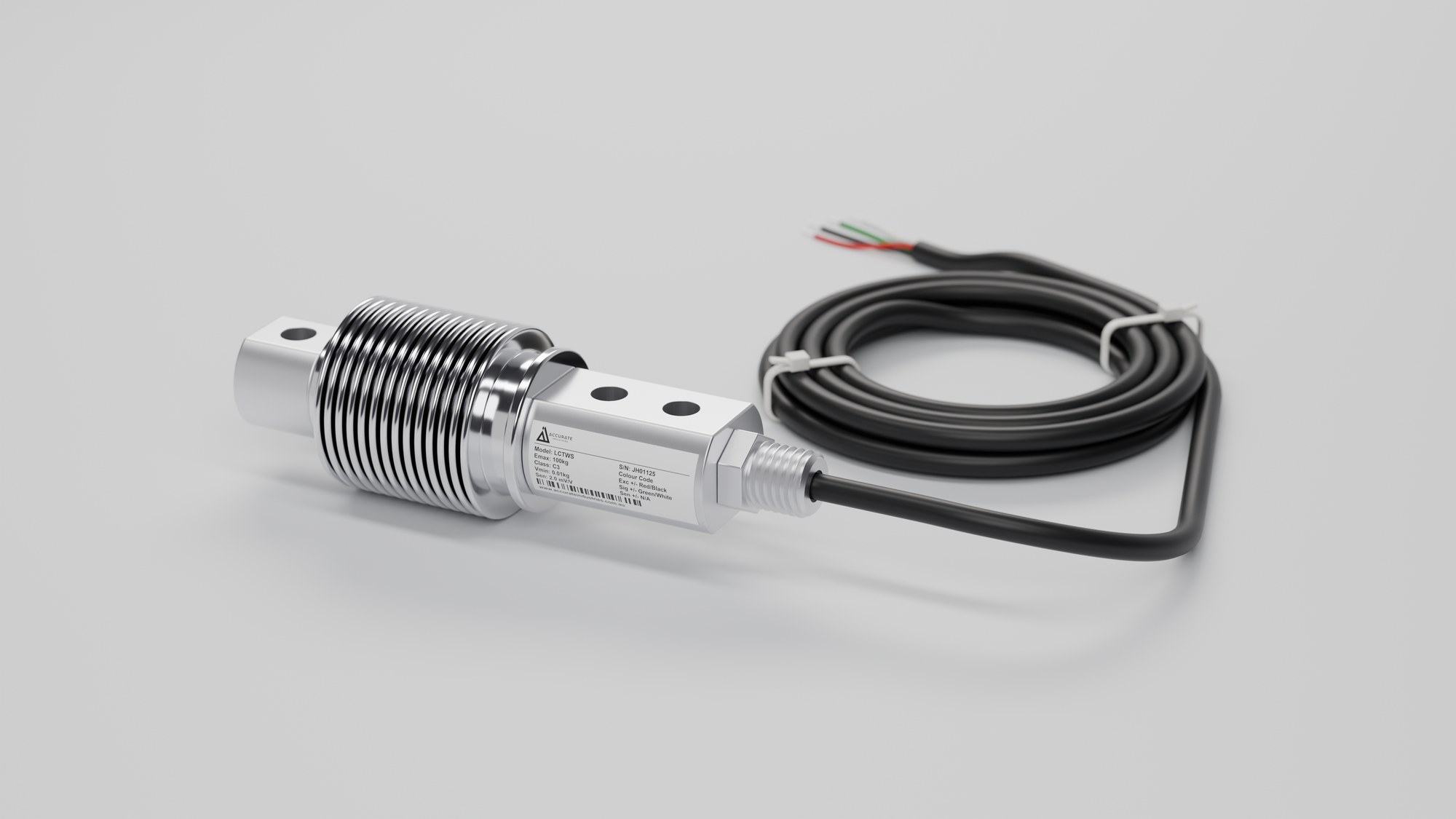
Load cells
The transducer that converts the load on the weigh idlers into an electrical signal for the integrator. Our own LCTWS bellows cell and stainless S-type, plus replacement load cells to suit most makes of belt weigher, stocked and tested.
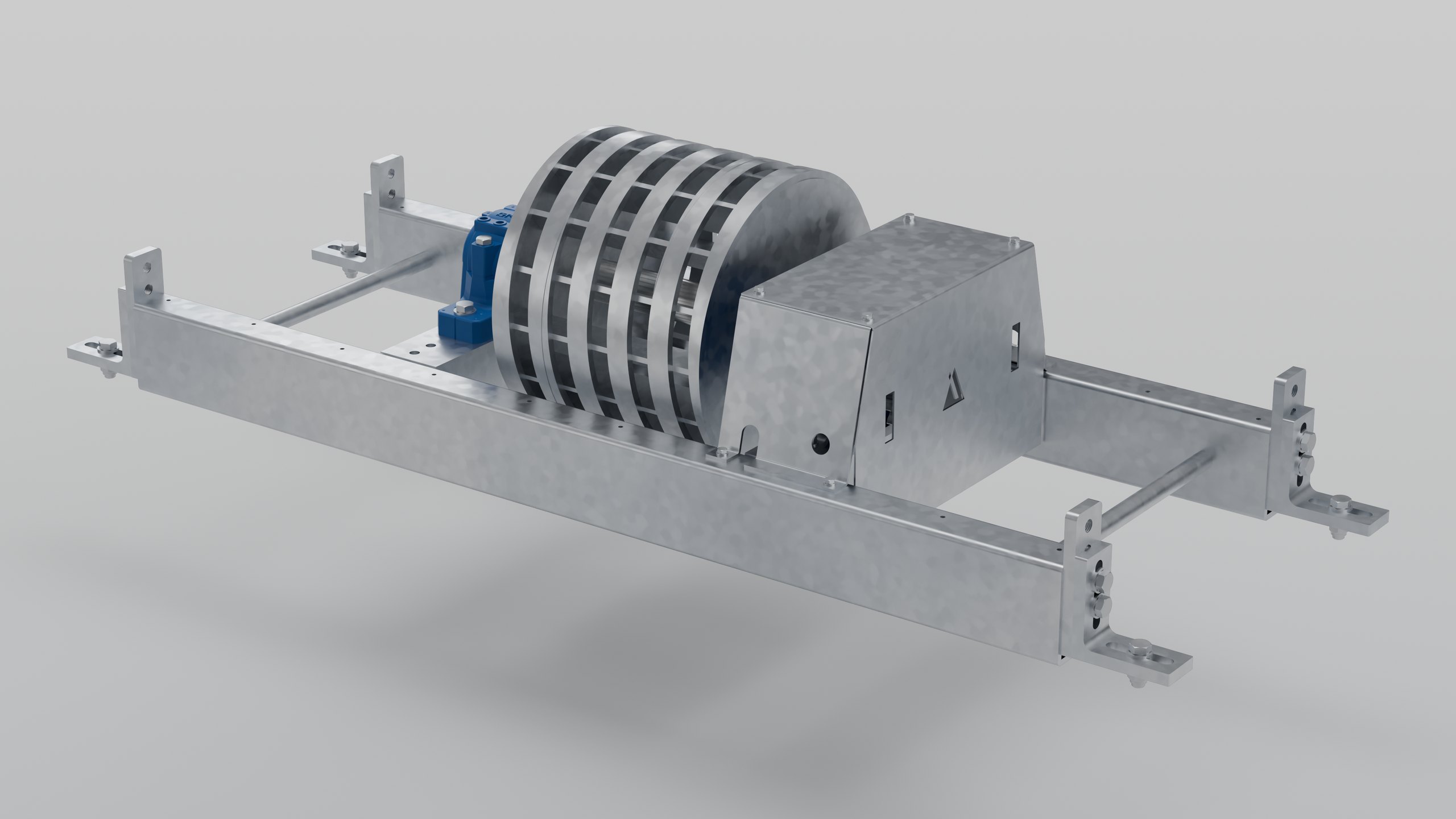
Speed sensors
Measure belt travel so the integrator can turn belt loading into a rate. Our spiral cage (hard-rock HR and soft-rock SR) and the USR sensor for trailing arm and drum mounting.
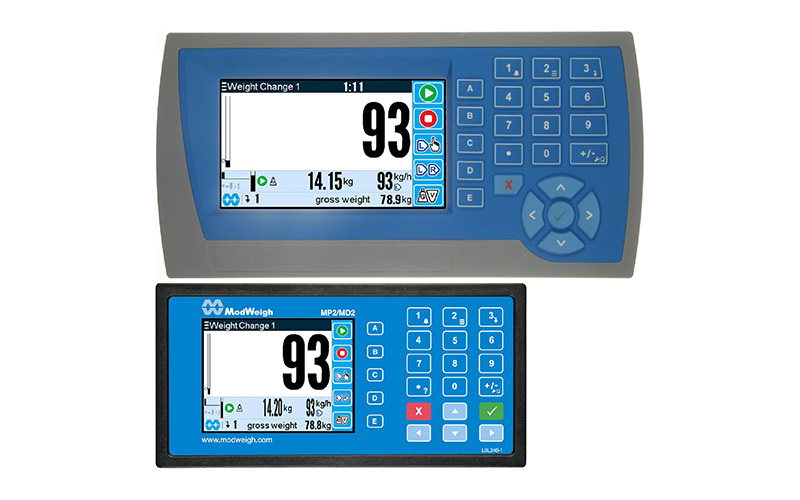
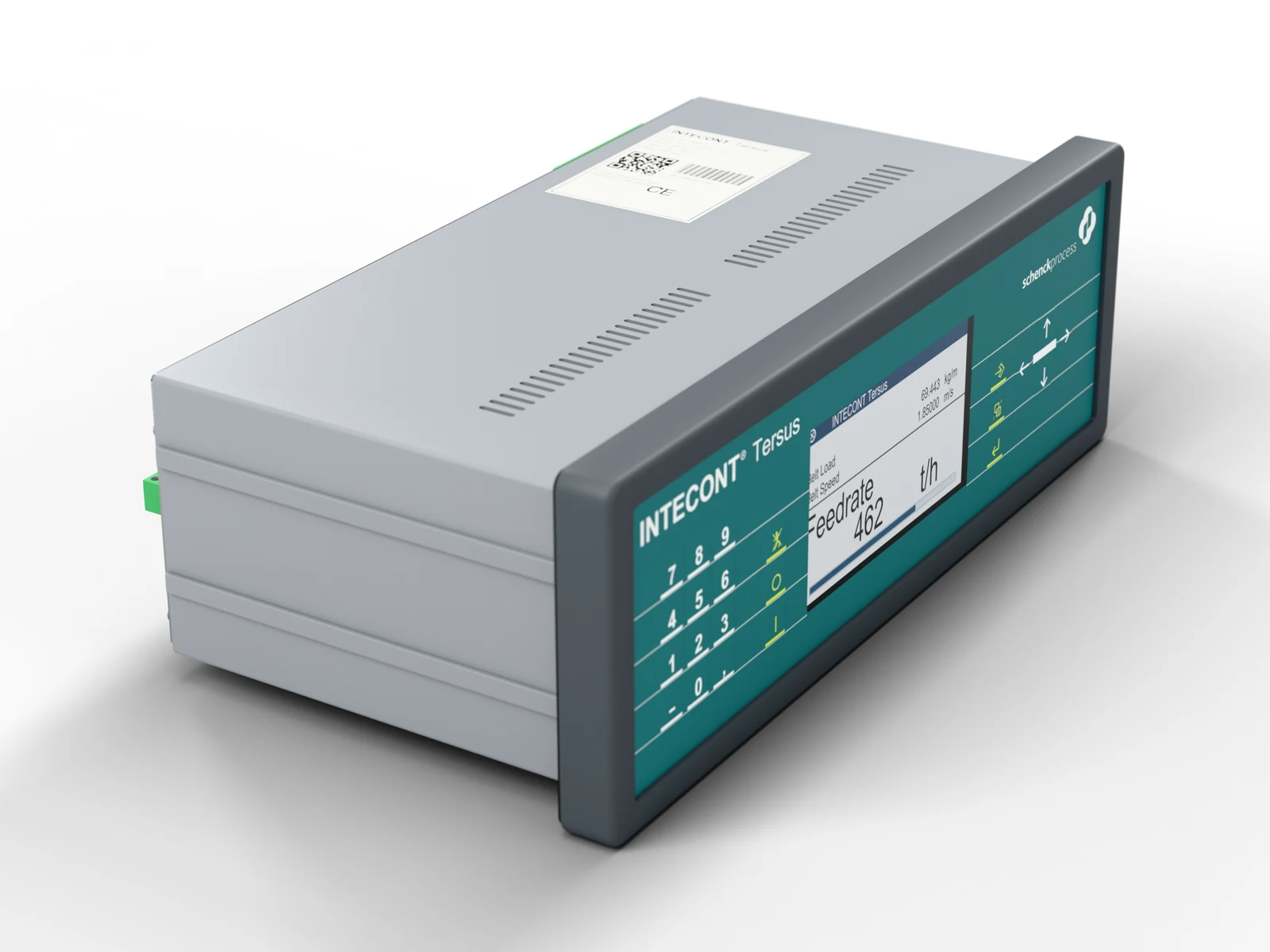
Integrators
The electronics that combine the weight and speed signals into live rate and total data for the display and plant control system. EMC ModWeigh MP1 & MP2 and Schenck INTECONT Tersus.
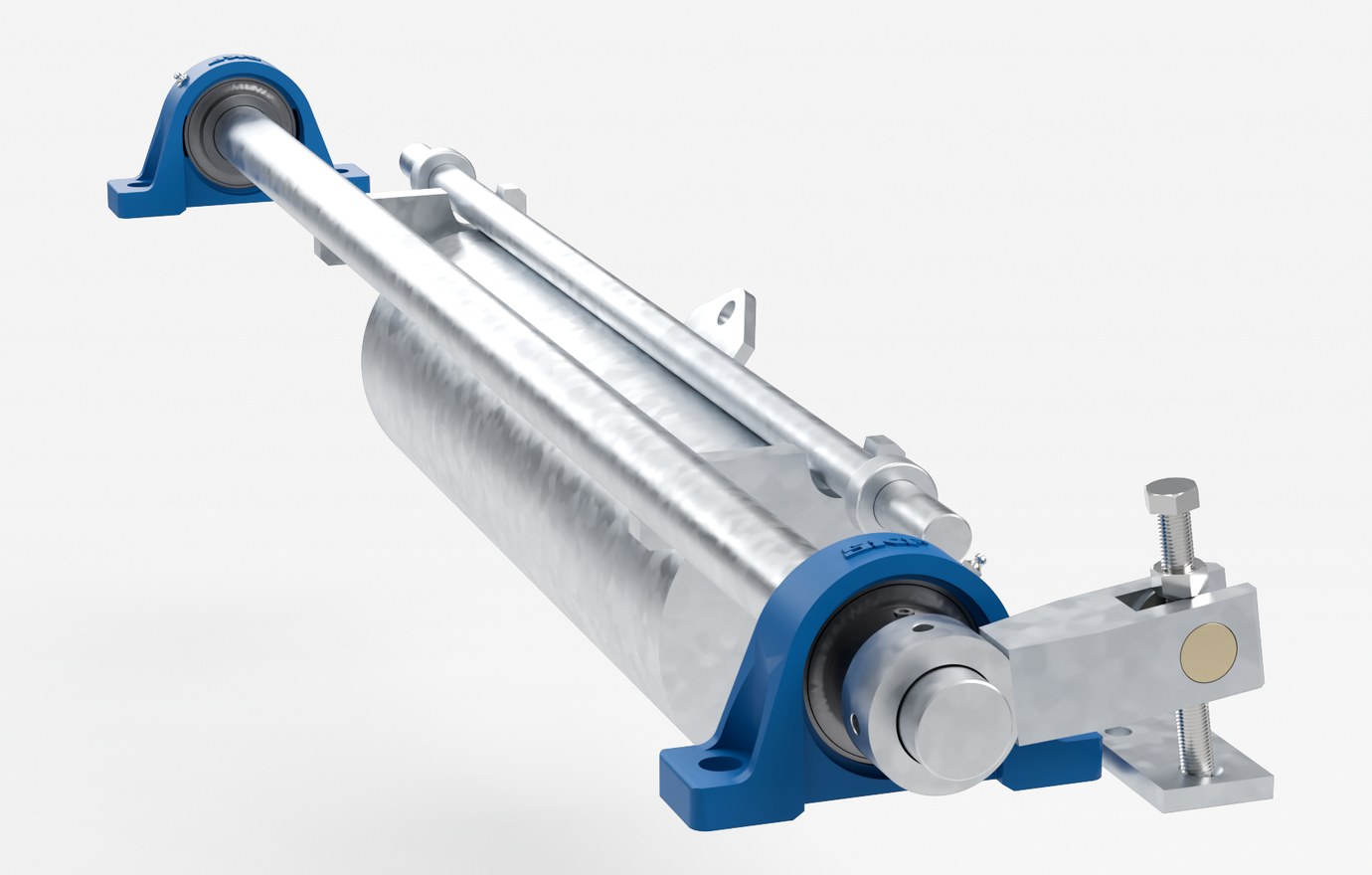
Calibration weights & chains
Stored-in-place plate and billet weights for our frames (quoted separately), plus calibration chains and billet weight arms for checking a belt weigher against a known load. Like-for-like replacements for other makes.
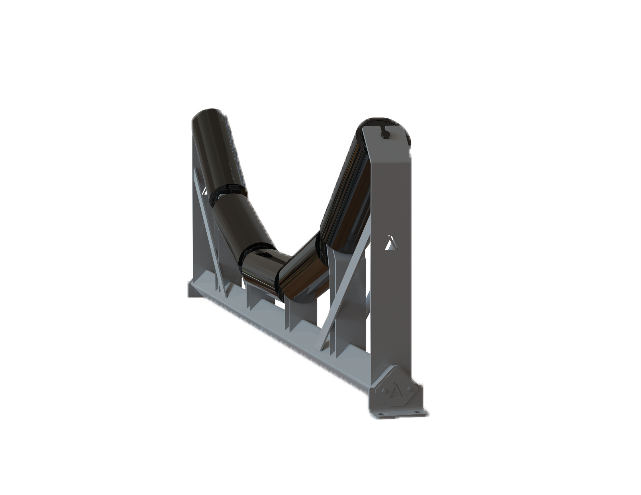
Weigh idlers & rollers
Support the belt through the weigh area. Rollers machined and balanced to weigh quality, and custom idler frames when a conveyor needs them.
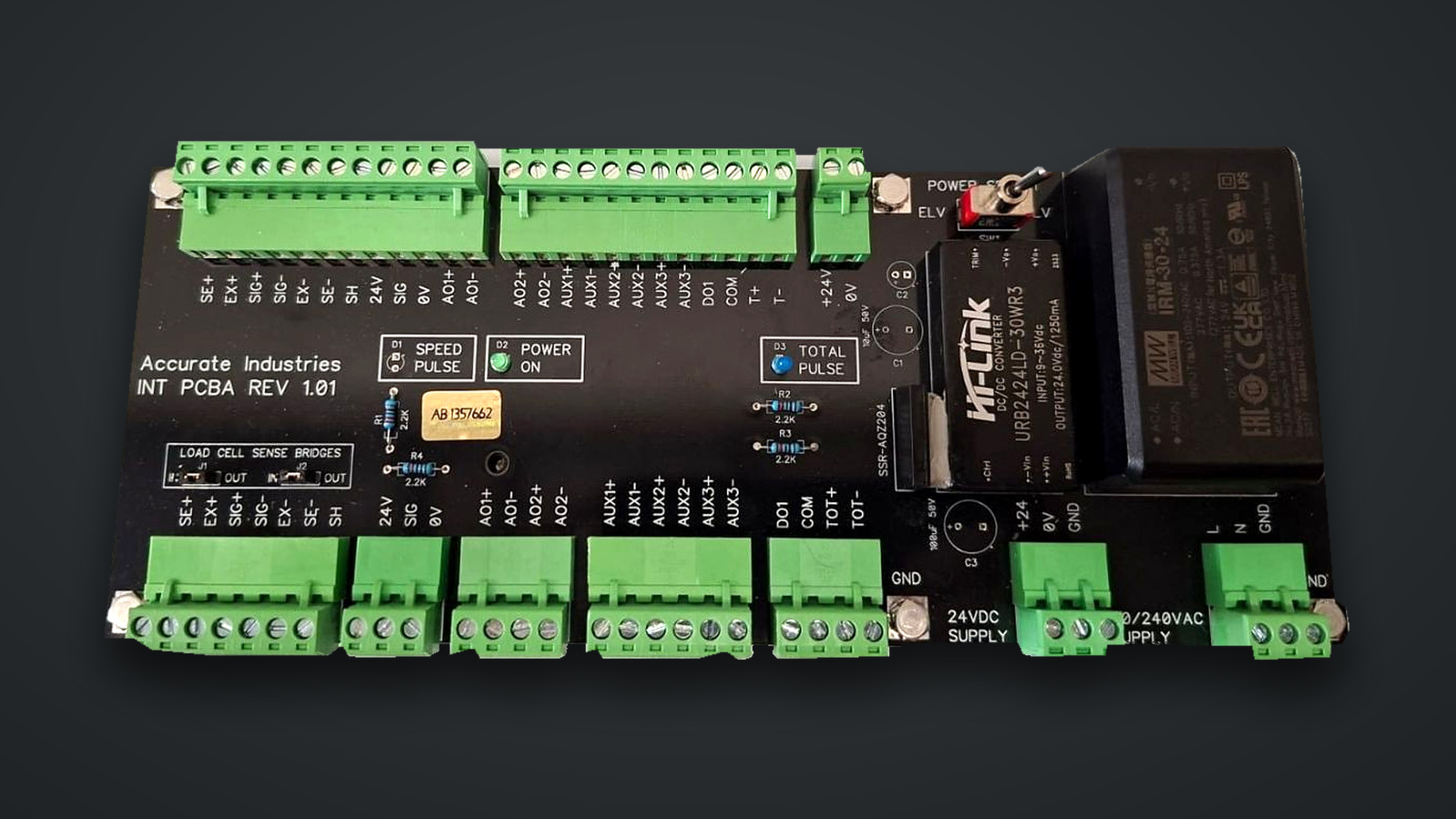
Junction boxes & PCBs
Bring load cell, speed sensor and field wiring together on clearly labelled boards. Integrator interface and four-channel load cell switching assemblies.
Nine weigh frames, three families
Belt speed picks the family, the accuracy you need to hold at that speed picks the number of weigh idlers, and the belt width sets the frame size. Every frame is Australian designed and made in hot-dip galvanised mild steel or bead-blasted stainless, with stored-in-place calibration weights available (plate weight or billet weight options, quoted separately).
Compact belt weighers
Single-idler stainless steel scales: ±0.50% of actual weight at belt speeds up to 2.0 m/s*, ±1.00% at belt speeds up to 3.5 m/s*. Three ways to get one.
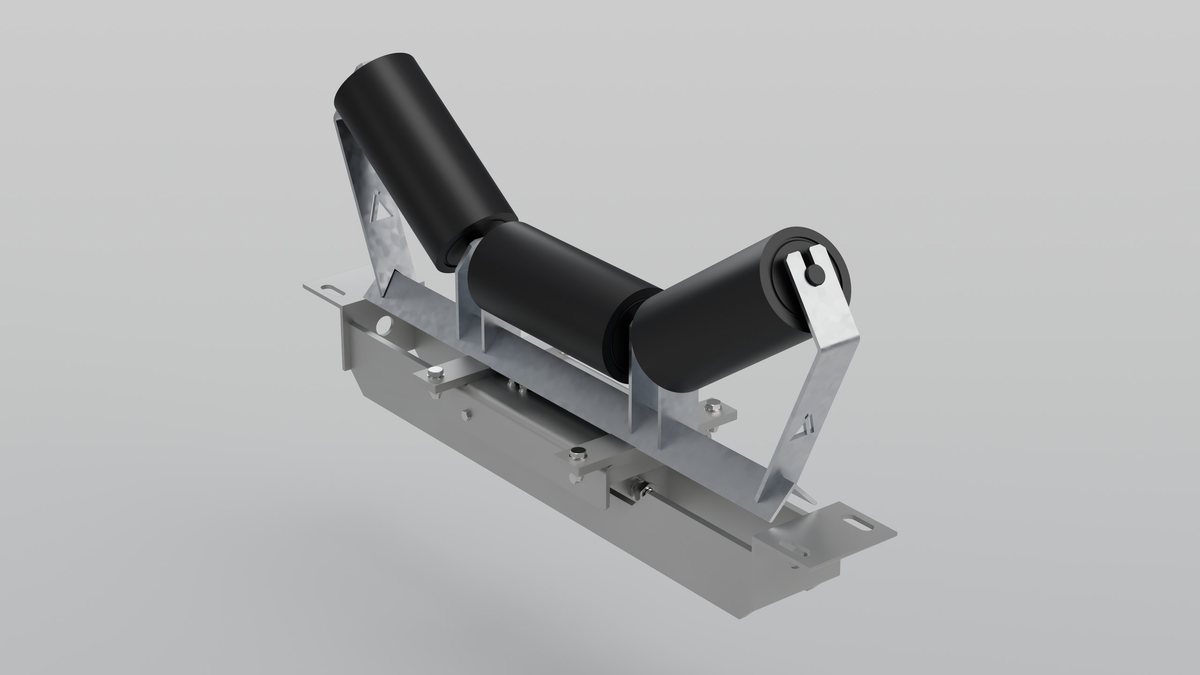
CBW1-1
Fully welded, custom-built for the conveyor.
±0.50% at belt speeds up to 2.0 m/s*Rated to 3.5 m/s · Stainless
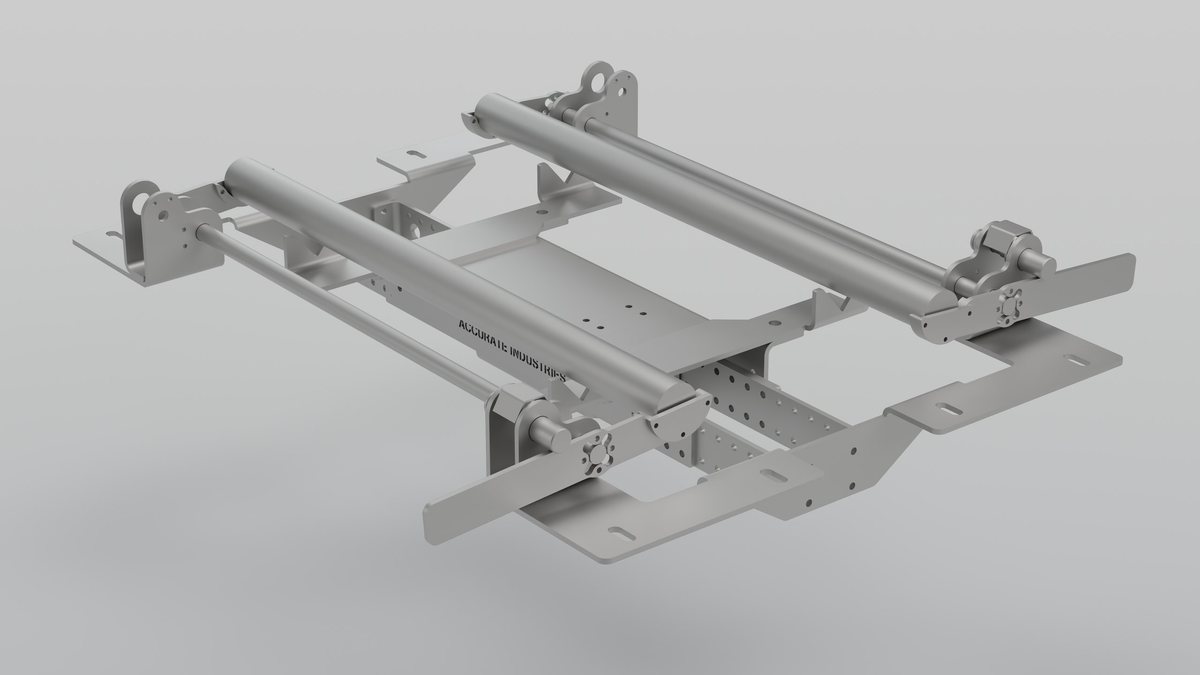
CBW1-1 Multiwidth
Bolt-together module, usually in stock for fast despatch.
±0.50% at belt speeds up to 2.0 m/s*Rated to 3.5 m/s · Stainless · Lever-applied stored-in-place weights available
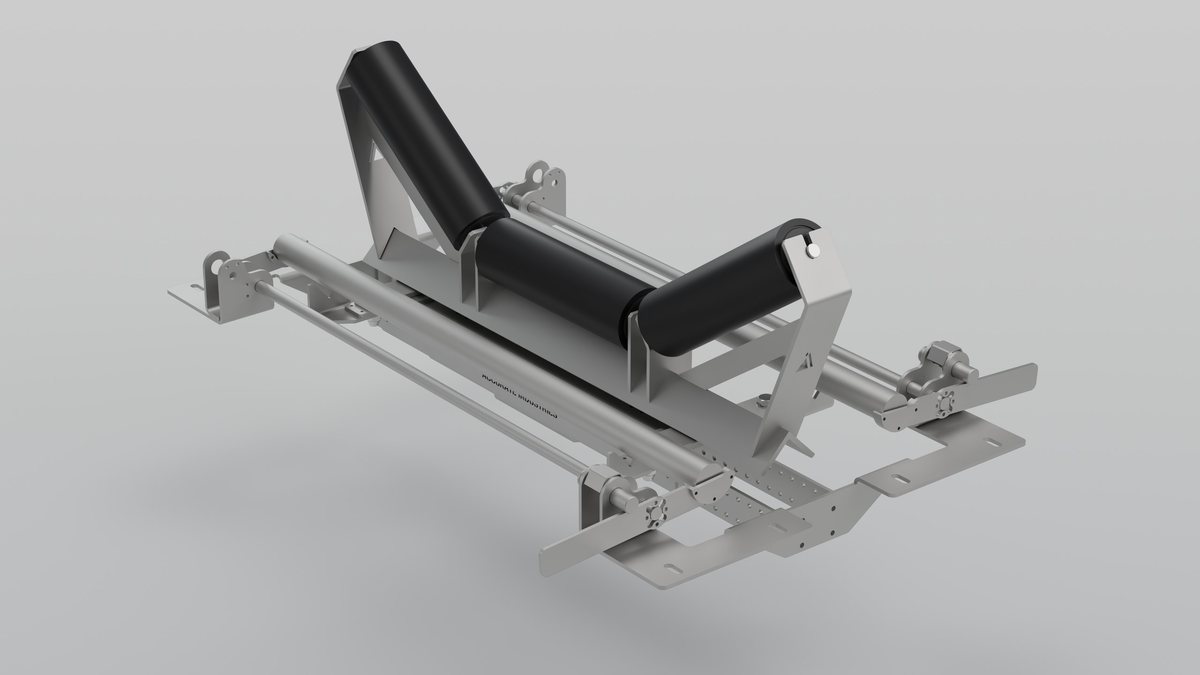
CBW2-1
One-piece drop-in module, two load cells, two stored-in-place weights available.
±0.50% at belt speeds up to 2.0 m/s*Rated to 3.5 m/s · Stainless
Precision belt weighers, two load cell
A centrally floating weigh frame on two stainless S-type load cells (OIML R60 C3, IP67), idler spacing 500 – 1,500 mm. Hot-dip galvanised mild steel, or stainless steel when needed.
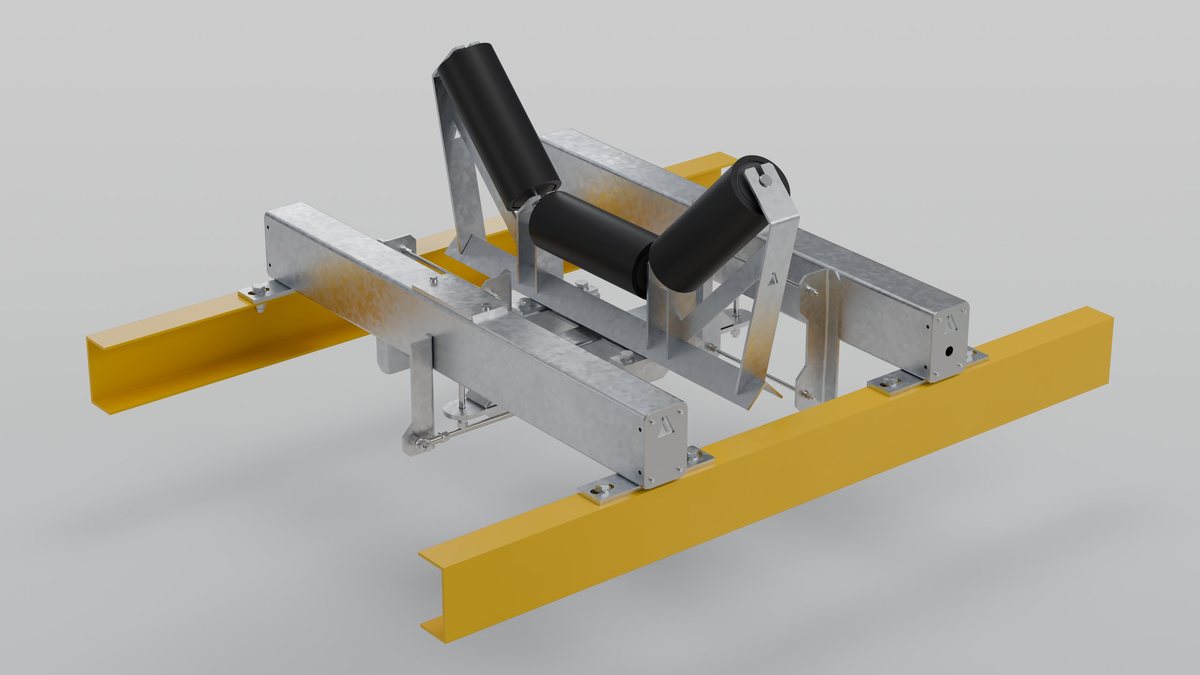
PBW2-1
Centrally floating frame, single weigh idler.
±0.50% at belt speeds up to 1.5 m/s*Rated to 6.0 m/s · Galvanised or stainless
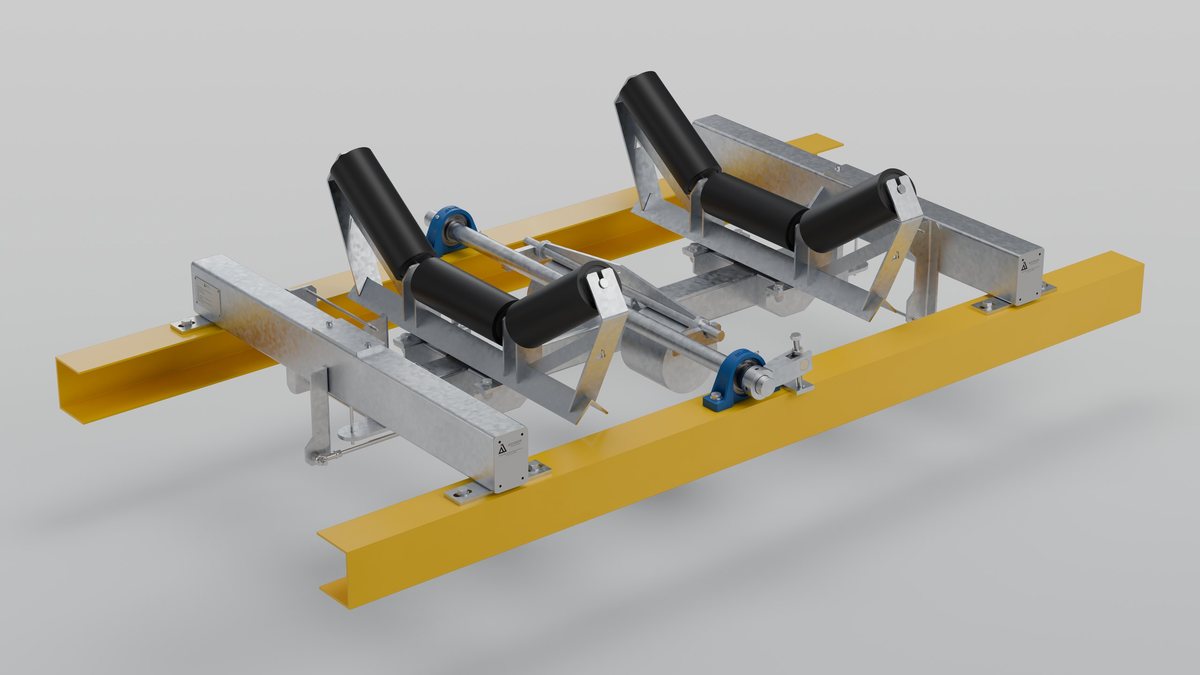
PBW2-2
Two weigh idlers: longer weigh span, twice the speed at ±0.50%.
±0.50% at belt speeds up to 3.0 m/s*Rated to 6.0 m/s · Galvanised or stainless
Holding ±0.50% above 3.0 m/s, or a tighter class?
Step up to a four load cell frame. PBW4 holds ±0.25% and better, at belt speeds up to 4.0 m/s*, on belts down to 450 mm.
Precision belt weighers, four load cell
Four load cells under a fully floating weigh frame with one to four weigh idlers, for the highest accuracy classes and belt speeds in the range. Hot-dip galvanised mild steel, or stainless steel when needed.
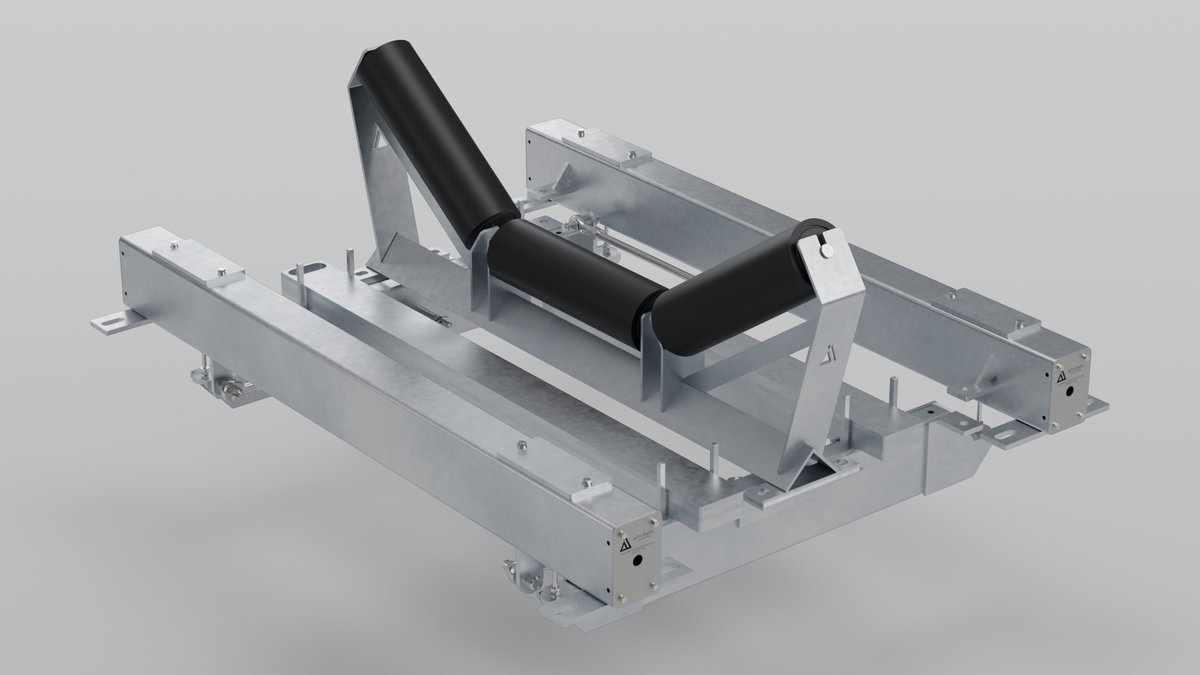
PBW4-1
Fully floating frame, single weigh idler.
±0.25% at belt speeds up to 1.0 m/s*Rated to 3.5 m/s · Galvanised or stainless
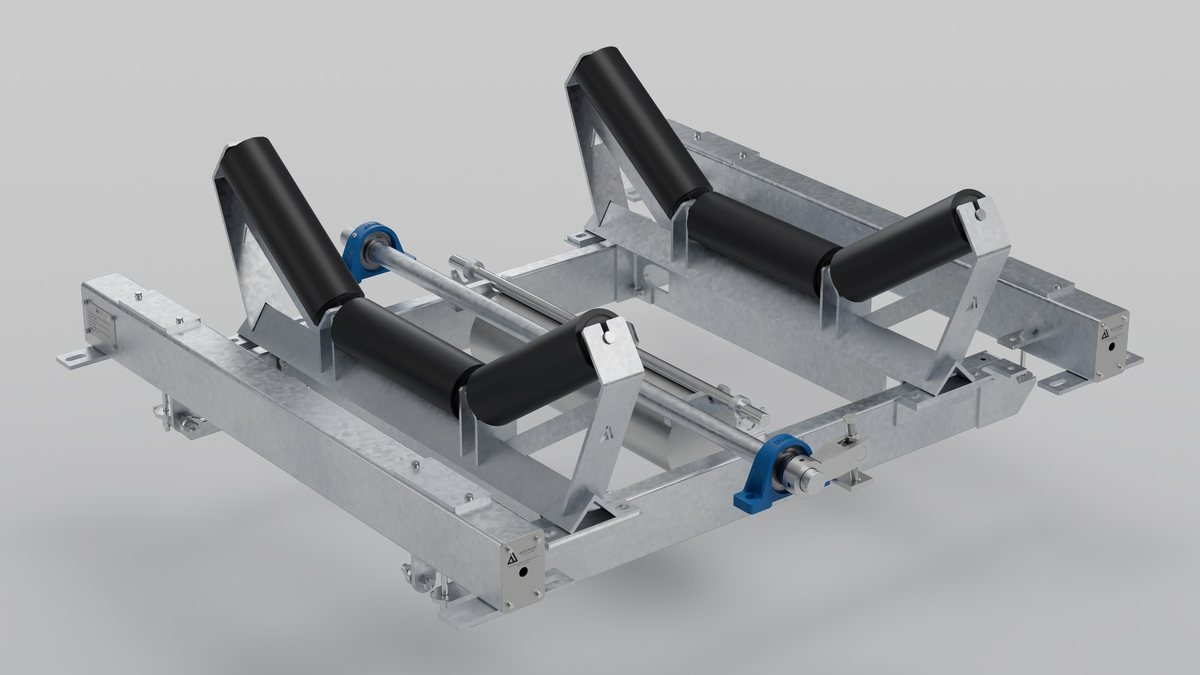
PBW4-2
Fully floating frame, two weigh idlers.
±0.25% at belt speeds up to 2.0 m/s*Rated to 5.0 m/s · Galvanised or stainless
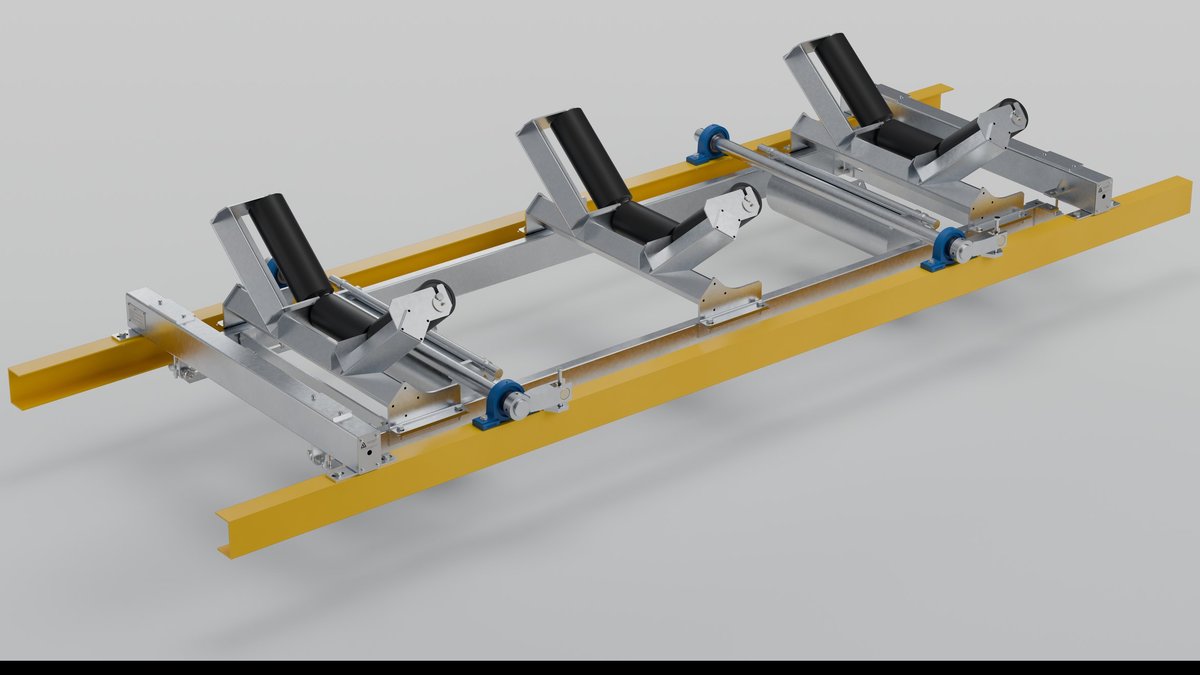
PBW4-3
Fully floating frame, three weigh idlers.
±0.20% at belt speeds up to 3.0 m/s*Rated to 6.0 m/s · Galvanised or stainless
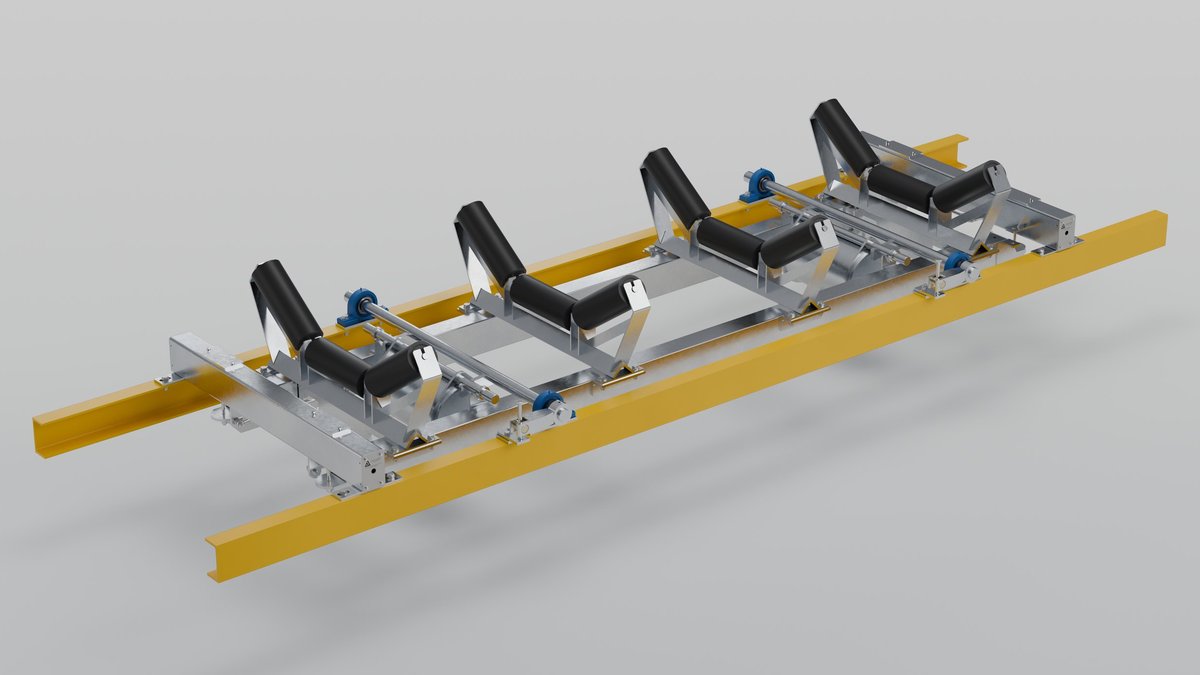
PBW4-4
Fully floating frame, four weigh idlers, the top of the range.
±0.125% at belt speeds up to 4.0 m/s*Rated to 8.0 m/s · Galvanised or stainless
Send the belt width, belt speed, material and the accuracy you need to hold.
We confirm the frame, then quote the complete system.
* Stated accuracies are ± of actual weight and rely on correct installation and commissioning to the Accurate Industries IOM manual; actual performance varies with belt speed, material, conveyor design and site conditions.
Belt speed first.
CBW frames are rated to 3.5 m/s, PBW2 to 6.0 m/s, PBW4 up to 8.0 m/s.
Then the accuracy you need to hold at that speed.
More weigh idlers hold the class at higher belt speeds.
Then the belt width and the space on the conveyor.
A Precision frame needs room for its weigh span; a Compact still needs a stable weigh area. Custom widths are available.
Speed sensors
Precise, consistent speed measurement is essential to belt weigher accuracy. Conveyors vary greatly, so we make a range of robust, industry-proven speed sensors, also suitable for tramp metal detectors, continuous belt speed monitoring and under-speed measurement.
Spiral cage
- Self-cleaning; robust, low wear, low maintenance
- Mounts close to the weigh frame, improving accuracy and reducing installation cost
- HR (hard rock, sprocket drive) and SR V2.0 (soft rock) versions
- Belt widths 600 – 2,400 mm, speeds 0.1 – 5 m/s
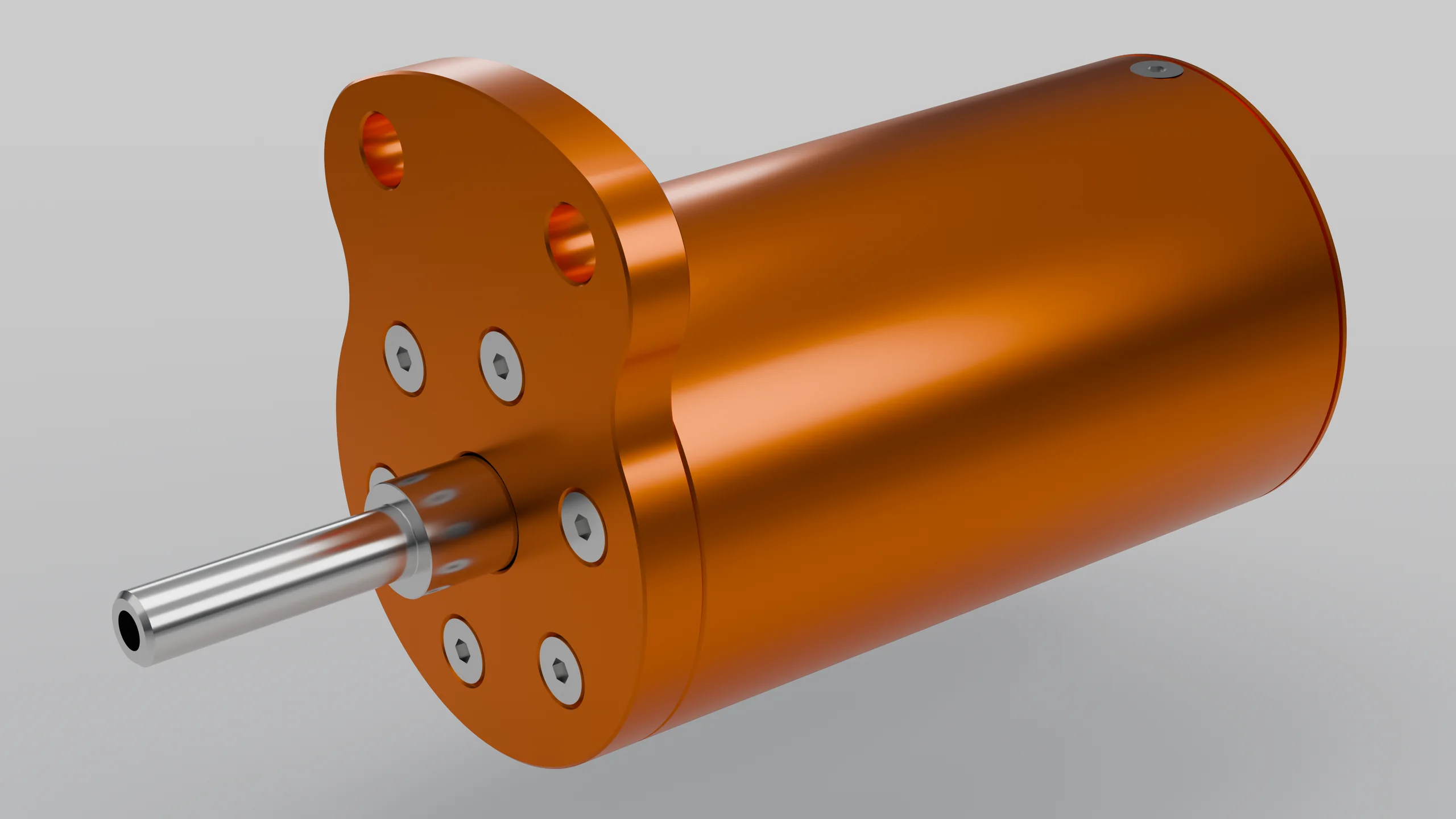
USR trailing arm
- Simple installation
- Mounts close to the belt weigher
- The USR V1.1 sensor on a trailing arm, orange anodised housing, stainless shaft
- Multiple outputs: one sensor can serve several belt weighers on the same conveyor, or the belt weigher and the conveyor under-speed
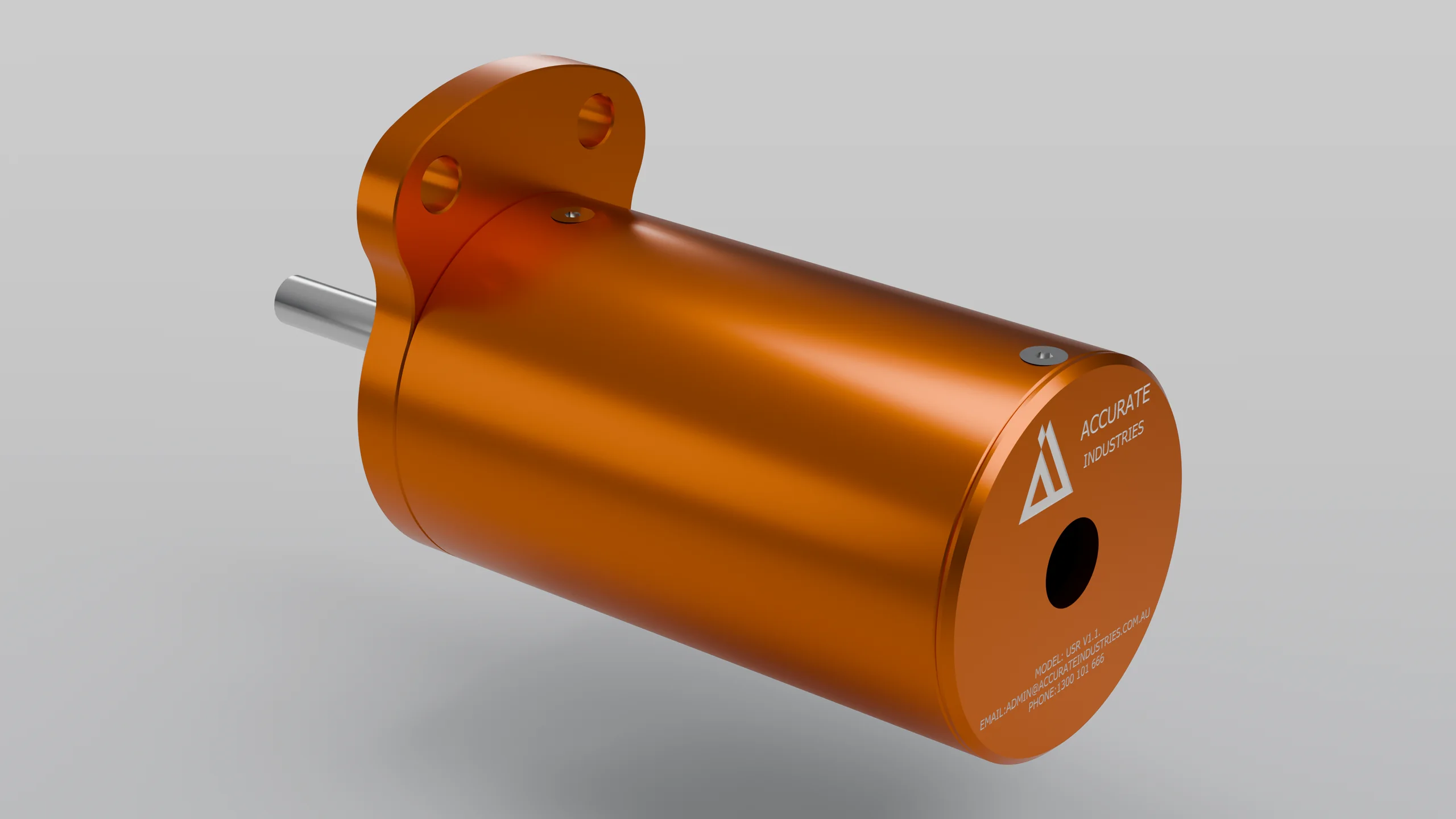
USR drum mounted
- Simple installation, easy replacement
- Mounted on the tail drum
- Output depends on drum size
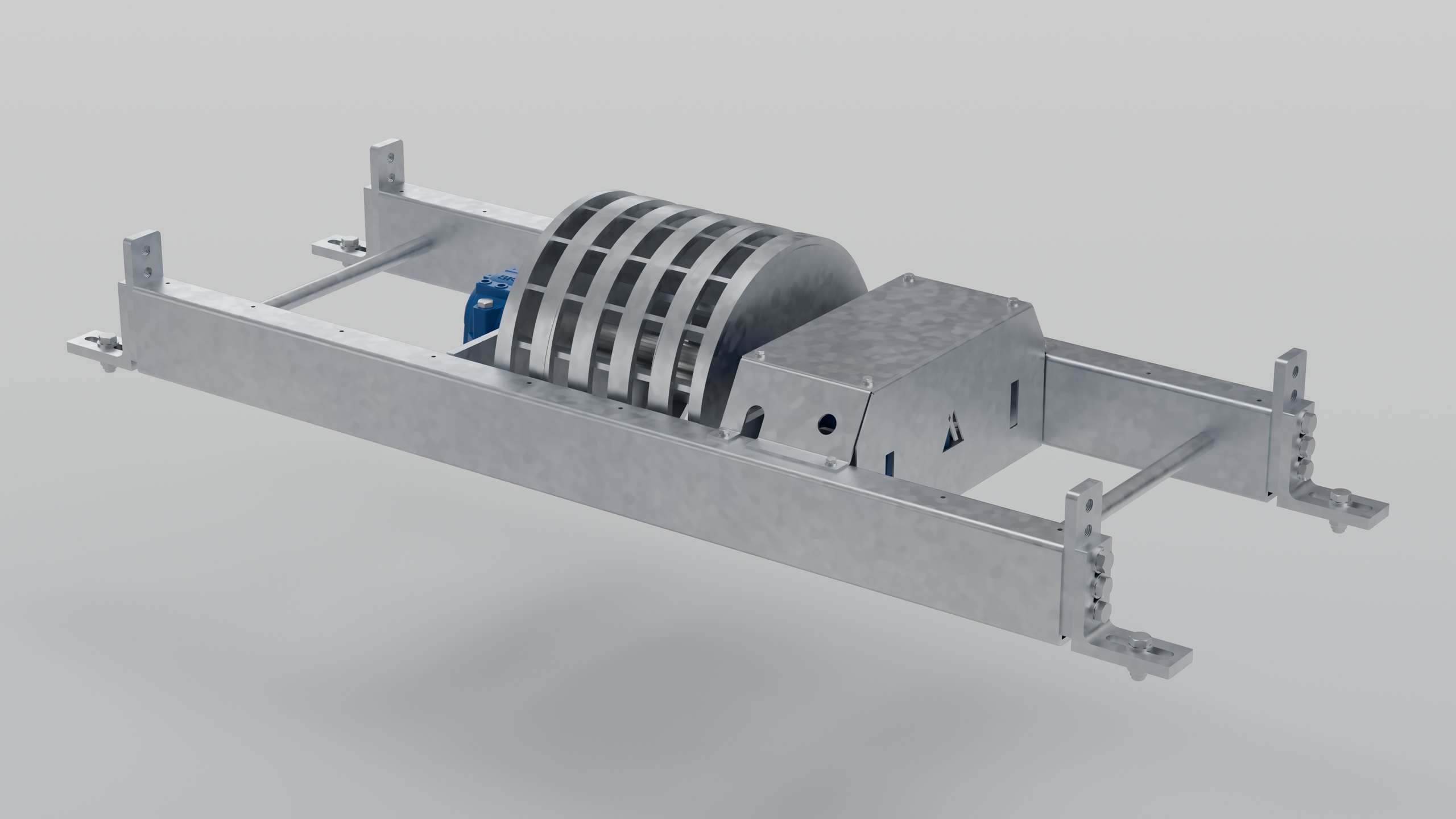
Spiral cage SR V2.0, for soft rock.
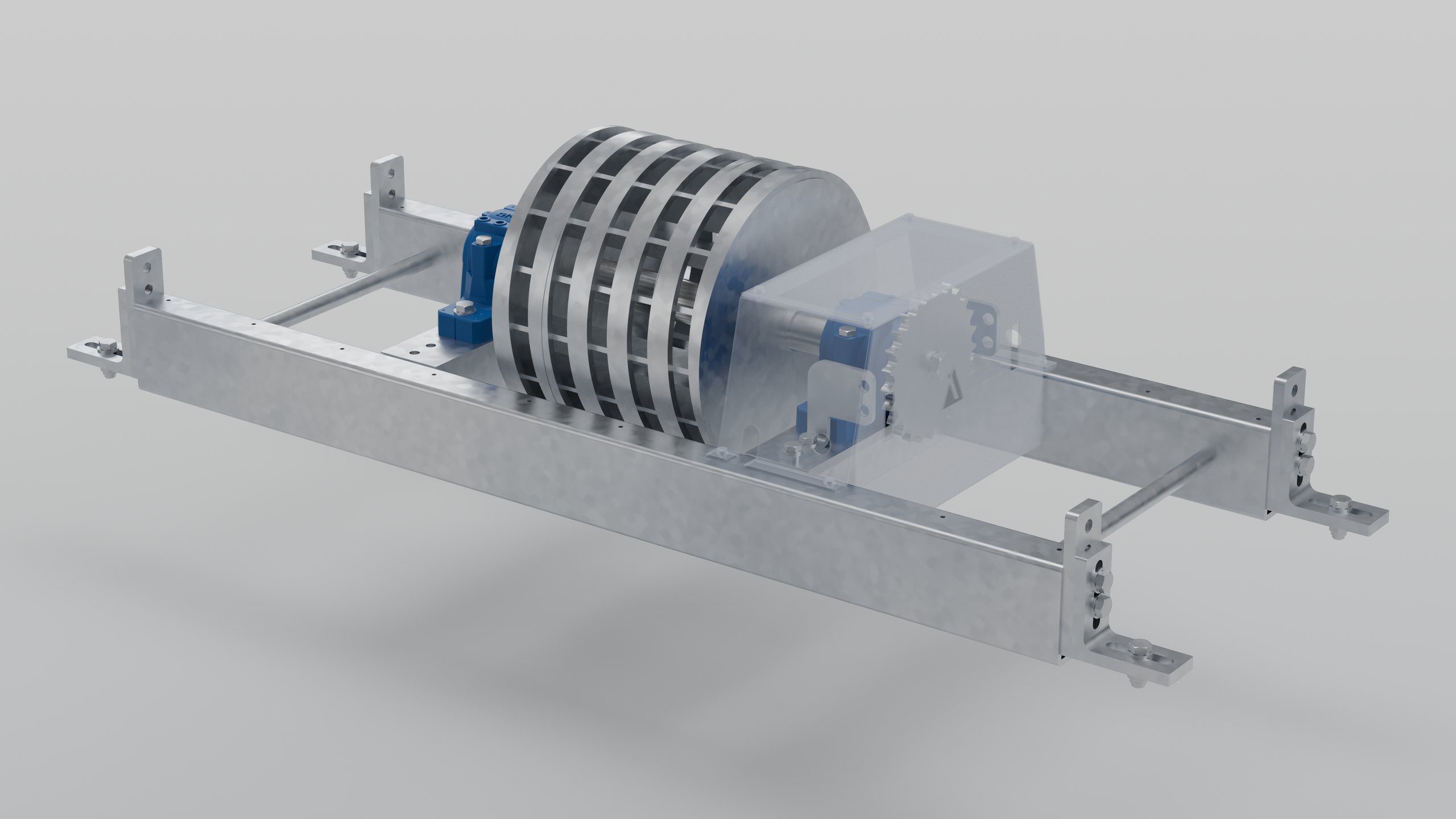
Inside the guard: sprocket, bearing housings and the proximity sensor mounts.
For a new speed sensor or tacho, send the belt speed, mounting arrangement and integrator model. For a replacement, include the existing sensor label, supply voltage, output type, pulse information and a photo of its mounting. We check electrical and mechanical compatibility before recommending an option; a matching connector alone is not enough.
Unknown details are fine. Email photos for a speed-sensor enquiry, or for help investigating no signal or incorrect speed see the belt weigher speed-sensor guide.
Integrators
We supply EMC ModWeigh MP1 & MP2 and Schenck Process INTECONT Tersus integrators as the authorised Australian agent, and match the integrator, communications and enclosure to your installation. Full specifications, FAQs and manual enquiries are on the product pages.
EMC ModWeigh MP1 & MP2
Standard Modbus RTU over RS232/RS485. Full-size MP1 or compact MP2, with I/O selected for your installation.
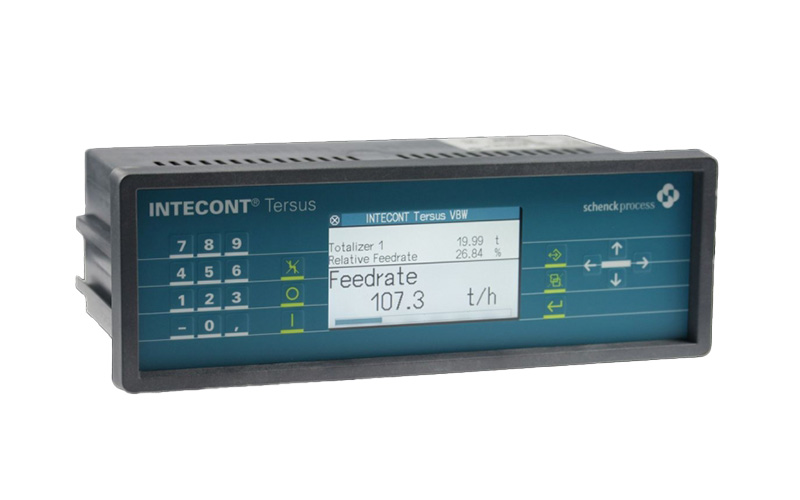
Schenck INTECONT Tersus
Ethernet service access is separate from optional Modbus-TCP plant communications. Trade, enclosure and communications requirements are checked for the supplied configuration.
Already have an EMC or Schenck weigher?
Servicing, calibration and fault-finding support for existing installations, whoever supplied them.
The figures above describe the integrator electronics. Installed belt weigher accuracy also depends on the weigh frame, speed measurement, conveyor conditions and calibration.
Junction boxes & PCBs
Designed with site electricians in mind, our interface and switching boards bring field wiring, power and load-cell connections together on clearly labelled, pull-out terminal blocks, so installation, testing and fault finding are simpler and board replacement doesn’t mean reterminating every wire.
Integrator interface PCB
Included when we supply a complete integrator kit in an enclosure. Field wiring, AC/DC power with manual source selection, a 24 V output, pulse indicators for speed and totaliser, and a totaliser relay interface on one board.
- Easier wiring and servicing: labelled pull-out terminal blocks
- Flexible power connections: AC or DC, 24 V supply output
- Organised field connections: load cell, speed, analogue and auxiliary in one place; sense jumpers on the board
- Pulse indicators and relay interface for commissioning and troubleshooting
Load-cell switching PCB
A four-channel assembly that brings load-cell and speed sensor connections together. Individual rubber-booted channel switches and clearly labelled Load Cell 1–4 terminals help with installation, testing and fault finding.
- Pull-out terminal blocks
- Individual load-cell switching, four front-panel toggles
- Dedicated signal, excitation, sense and shield terminals
- Speed sensor terminals: signal, 24 V, 0 V, shield
- Removable standoff-mounted front cover
Choosing a complete system
The right arrangement depends on your conveyor, material, operating range and required performance. Here is what we look at, what drives the installed cost, and what helps us quote.
What affects selection
- Conveyor width, speed and incline angle
- Conveyor tensioning system
- Idler spacing, height and rollers per idler
- Product properties (kg/m)
- Intended weigh frame location
- Integrator location and type
- Required accuracy, and more
What affects installed cost
- Weigh frame, weigh-quality idlers and rollers
- Load cells and belt speed sensor
- Integrator, interfaces and enclosure
- Mechanical installation and any fabrication
- Electrical installation and controls integration
- Commissioning and agreed reference tests
- Site access, travel and shutdowns
- Future calibration and servicing
An existing conveyor may need changes to provide a suitable weighing position. For an upgrade we assess what can be retained. A price for the electronics alone is not the installed system cost.
What to send for a quote (or just ask us)
- Site location
- Belt width and speed
- Minimum and maximum throughput and material
- Idler spacing, conveyor drawings or photos
- Intended weighing position and required performance
- Plant-control interfaces
- New installation or upgrade, and any existing equipment labels
Don’t have all of this? No problem. Send what you have, or give us a call, and we’ll work out the rest together.
Belt weigher frequently asked questions
What applications can I use a belt weigher for?
Belt weighers are used wherever you need to know how much material is moving on a conveyor. Common applications include product inventory and stockpile measurement, plant balance and efficiency, train, truck and ship load out, rate and flow control, and production reporting and reconciliation.
What makes the best belt weigher system?
Four things: proper installation of the appropriate hardware to meet the specification; proper location placement of all hardware to achieve the best possible results; proper and consistent belt tension, especially over the weigh frame; and proper, regular housekeeping of the weighing and speed sensing components.
What is the difference between belt weigher accuracy and system accuracy?
An integrator's instrument accuracy describes the electronics under specified test conditions. It does not describe the accuracy of a complete belt weigher, weightometer or conveyor belt scale. Installed system performance also depends on the weigh frame, load cells, speed measurement, belt tension, idler alignment, material loading, installation and calibration.
Which integrator will my belt weigher use?
Accurate Industries belt weighers are supplied with either the EMC ModWeigh MP1 or MP2 integrator or the Schenck INTECONT Tersus, depending on the application, the accuracy and approvals required, and how the system needs to talk to your plant control system.
Are your belt weighers made in Australia?
Yes. The weigh frames, weigh-quality idlers, load cells and speed sensors are Australian designed and made, and installed, calibrated and serviced by our own NMI-licensed technicians.
Technical notes: how a belt weigher works, what happens during a calibration visit, and Schenck belt weigher servicing.
Tell us about your conveyor.
Belt width, belt speed, the material and the accuracy you need to hold. Send those and we confirm the frame, then quote the complete system: weigh frame, idlers, speed sensor, integrator, installation and calibration.